Math facts and fluency
Times tables, addition and subtraction facts, and how fluency really builds without flashcard misery.
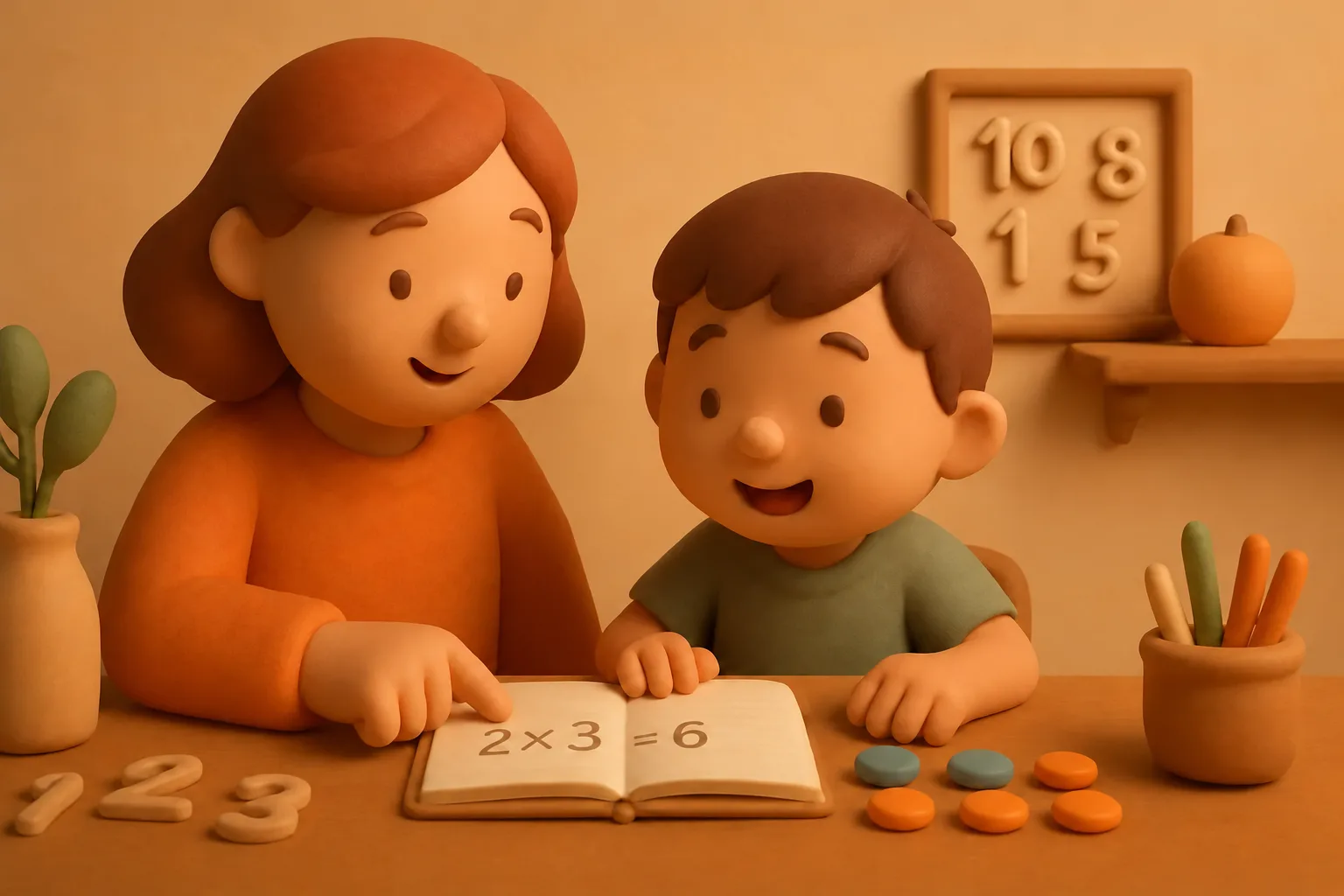
Multiplication facts that finally stick (without flashcard misery)
Flashcard marathons make kids hate multiplication and still do not work. Here is the order I teach the facts in, and the ten minute routine that makes them stick.

How I Know a Child Has Truly Mastered a Times Table (My Checklist)
A kid can ace the Friday quiz and still not own the sixes. Here is the checklist I use to tell when a times table is really learned.
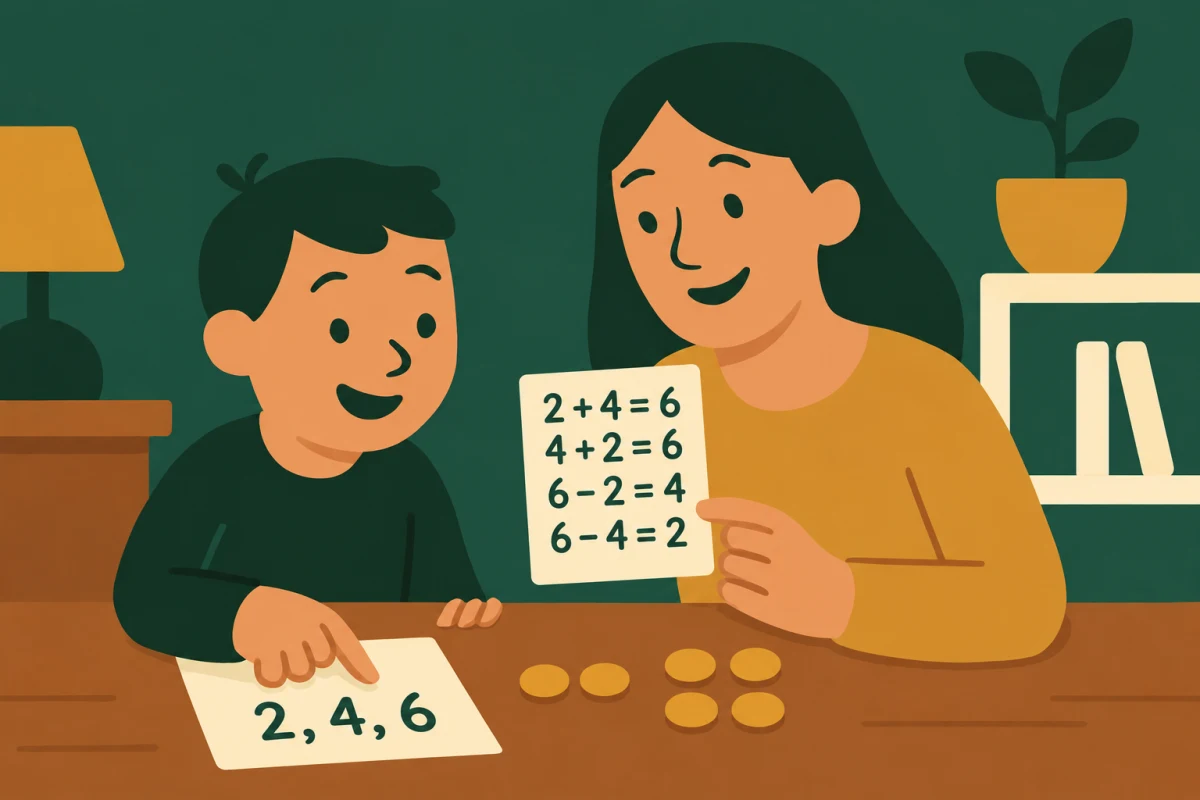
Fact Families: One Card, Four Facts, Way Less Memorizing
Instead of drilling four separate facts, you can teach one relationship that covers all four. Here is how fact families cut the memorizing without cutting the learning.

Should You Practice Math Facts Over Summer? A Teacher's Honest Answer
Yes, but not the way you're picturing. Here's the honest answer on summer math fact practice, from a teacher who sees what happens in September.
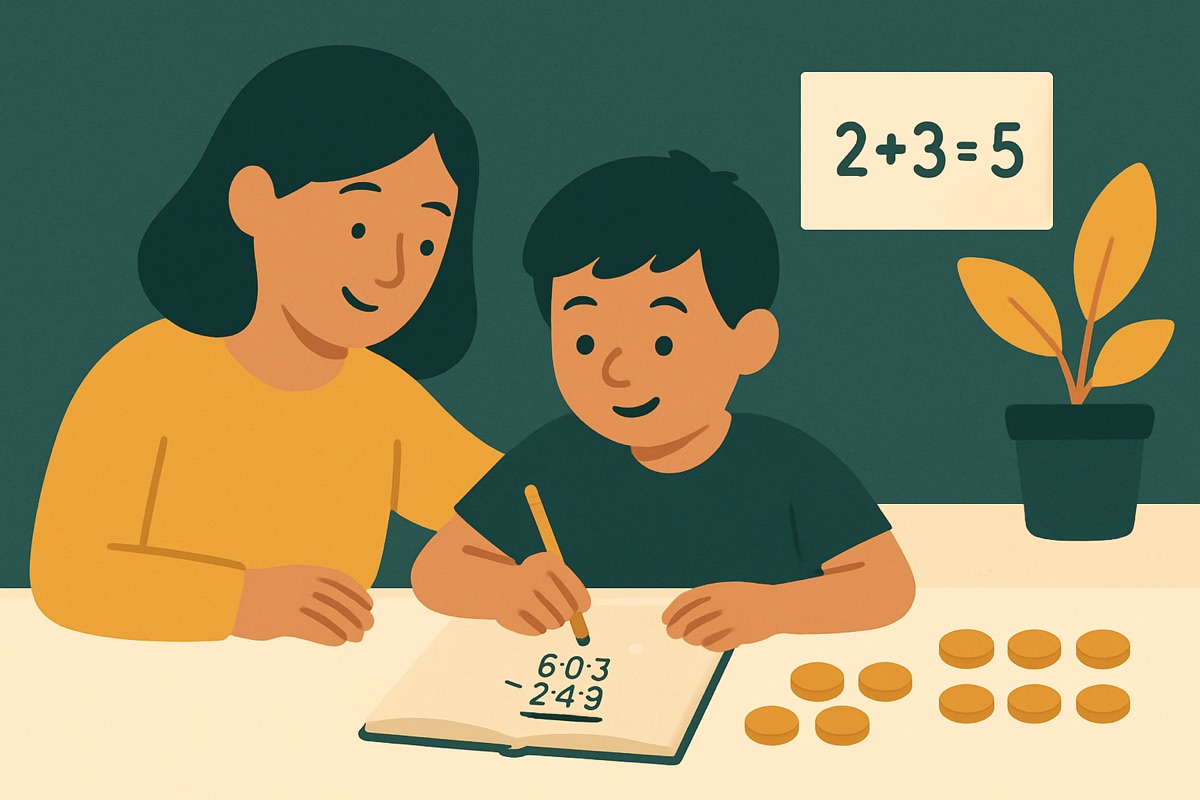
Subtraction Across Zeros: The Fact-Fluency Gap Nobody Talks About
Knowing subtraction facts and regrouping across zeros are different skills. Try two worked examples and check the answers with addition.
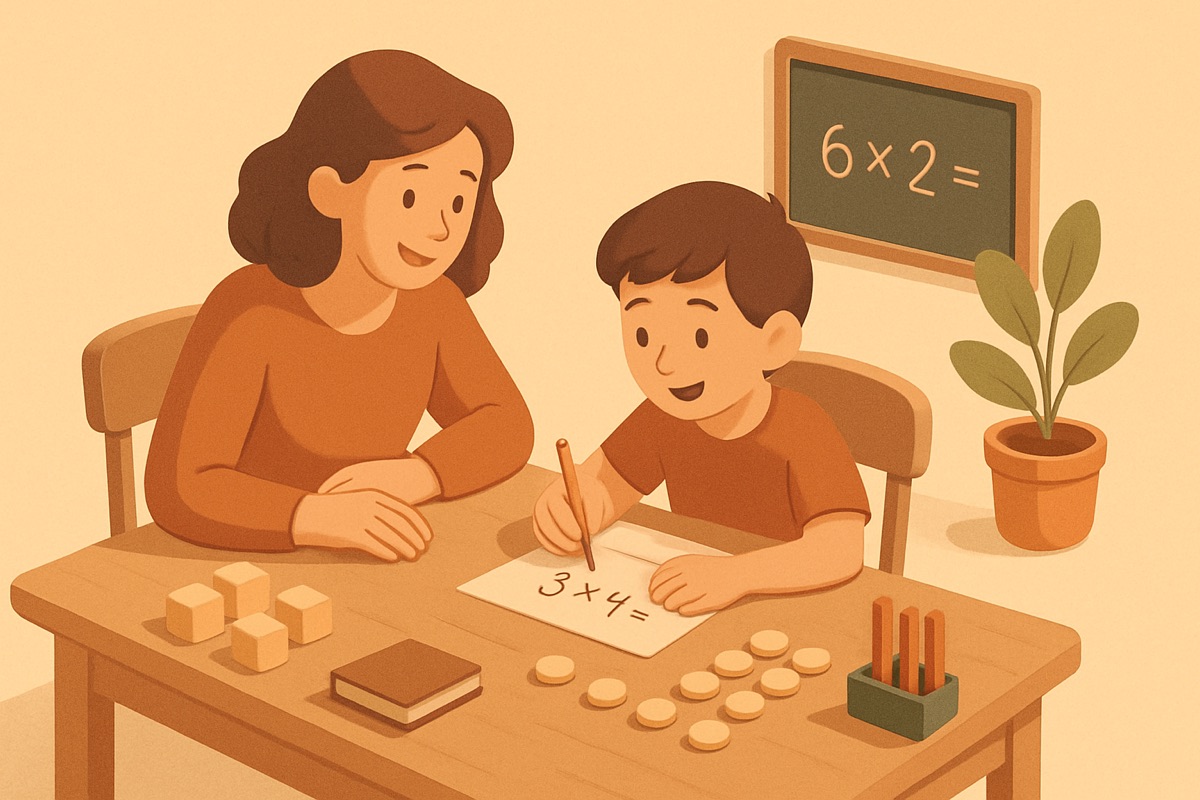
Multiplication Facts for the Kid Who Says 'I'm Just Bad at This'
When a kid decides they're bad at multiplication, more flashcards make it worse. Here is how to rebuild the facts and the confidence at the same time.
The Commutative Property Cuts Your Child's Memorizing Almost in Half
There are far fewer multiplication facts to learn than the table makes it look. One simple idea cuts the memorizing work almost in half.
Why I Stopped Assigning Mad Minutes and What I Do Instead
For years I handed out timed drills and watched good kids freeze. Here's why I quit Mad Minutes and the fluency work I do instead that actually sticks.
Fact Fluency by Grade: What's Reasonable to Expect in Grades 1 Through 5
A grade-by-grade look at what fact fluency really means, what to expect from first through fifth, and why speed drills aren't the answer.
Building Addition Fluency Without a Single Worksheet
My most fluent students weren't the ones who did the most worksheets. They were the ones who played the right games often enough to stop counting on fingers.
When to Move From Understanding a Fact to Just Knowing It
There is a moment when counting on fingers stops helping and starts holding a kid back. Knowing when to start memorizing math facts is really about spotting that moment.

The 9s Trick That Actually Sticks (and the One I Tell Kids to Skip)
One nine times table trick sticks for good and shows kids why it works. The famous finger version becomes a crutch. Here is the difference.
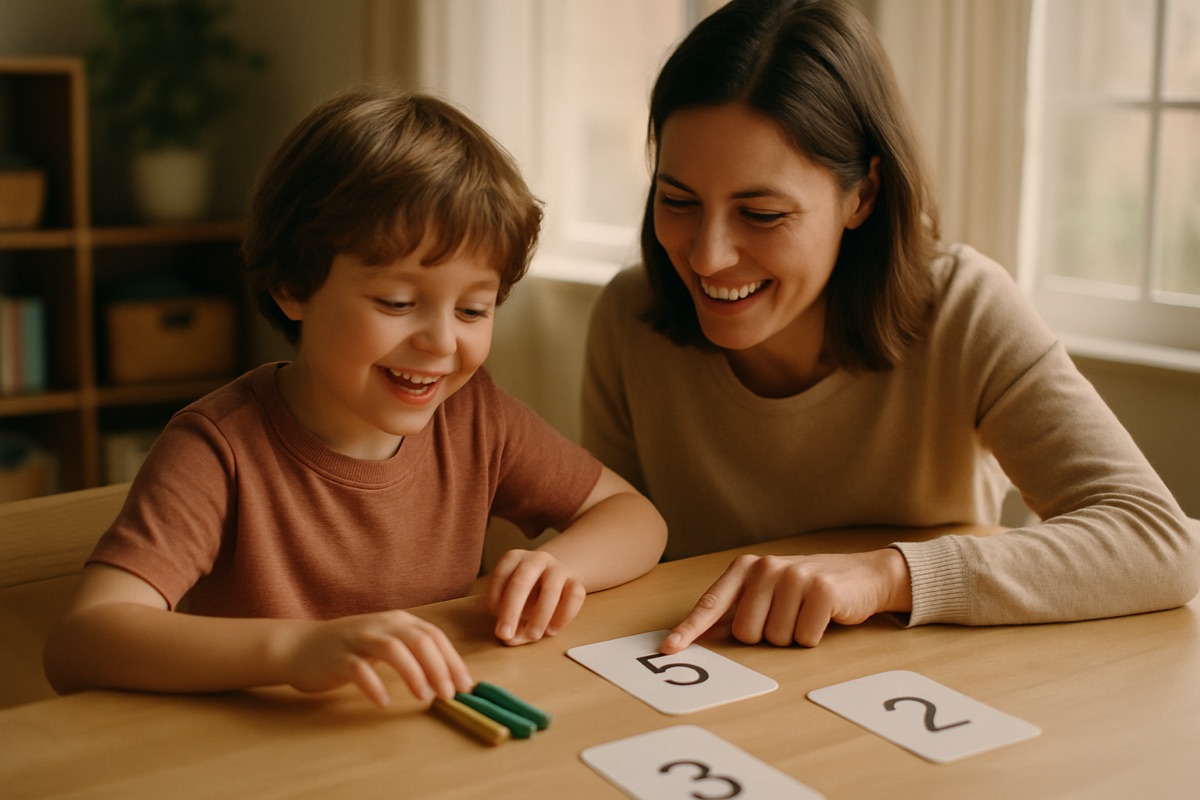
Flashcards Done Wrong vs. Done Well: A Teacher's Rules
Flashcards aren't the problem. The way most of us run them is. A few small changes turn a nightly fight into two calm minutes that actually stick.

Why Your Fluent Reader Might Still Count on Fingers, and When to Worry
She reads chapter books but still counts on her fingers for six plus five. Here is why that combination is normal, and the point where it is not.
The Multiplication Chart Is a Learning Tool, Not a Crutch, If You Use It Right
Parents worry a times table chart makes kids lazy. It doesn't, if you know how to use a multiplication chart to reveal patterns instead of hide them.
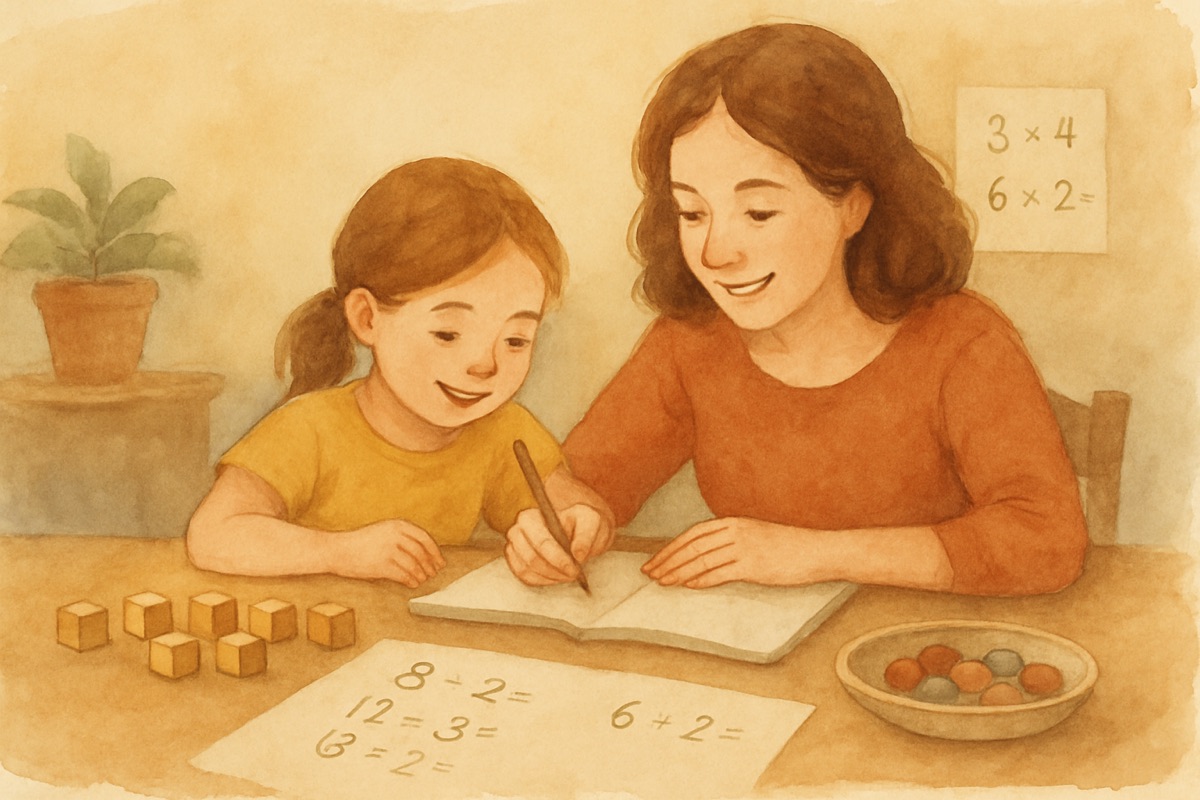
Division Facts Are Just Multiplication in Disguise, and Kids Should Know That
Kids dread division as a brand-new mountain to climb. It isn't. Here's how to teach division facts using multiplication they already know.
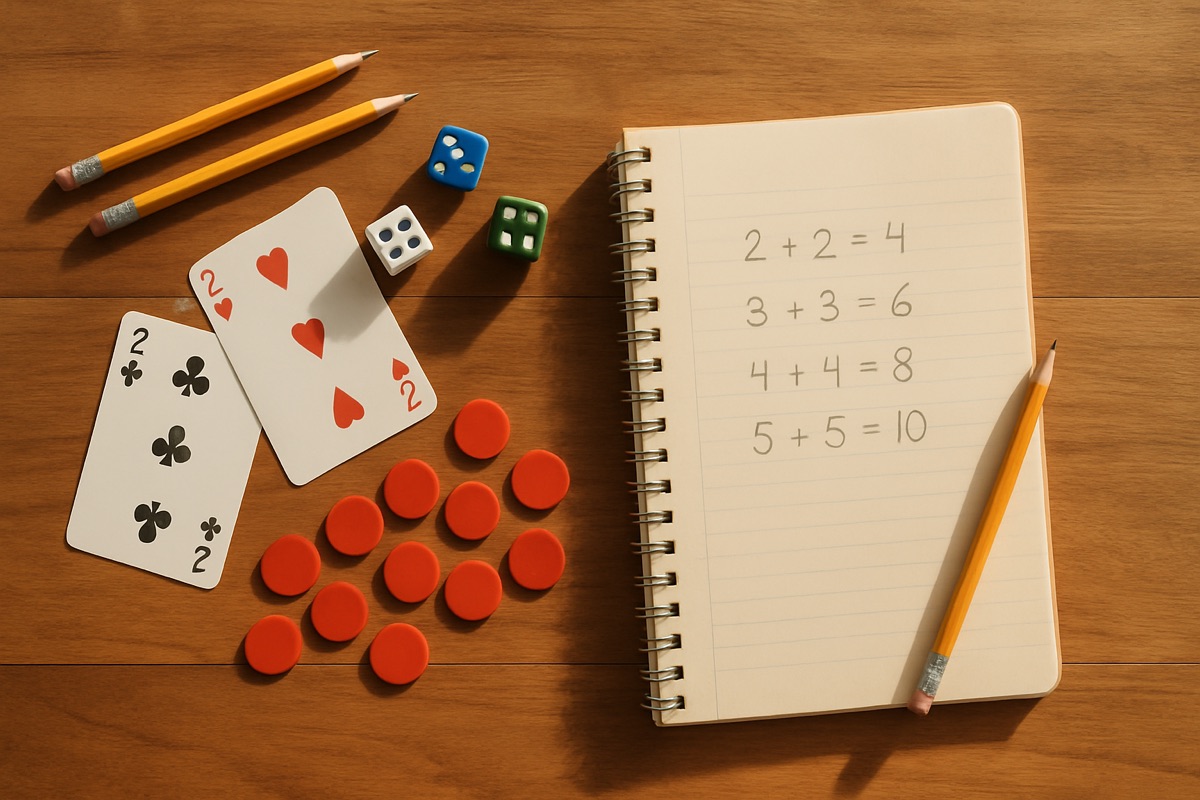
Doubles and Near-Doubles: The Fastest Addition Facts to Lock In First
Most kids already know 4 plus 4. Teach them to lean on that, and half the addition table stops being scary overnight.

Making Ten: The Addition Strategy That Beats Rote Flashcards
8+5 is hard. 10+3 is easy. The make a ten strategy turns one into the other, and it builds real number sense that flashcards never touch.

How Many Minutes of Fact Practice a Day Actually Helps
Parents ask me how long their kid should drill math facts every day. The honest answer is short, and the length matters less than what happens in those minutes.
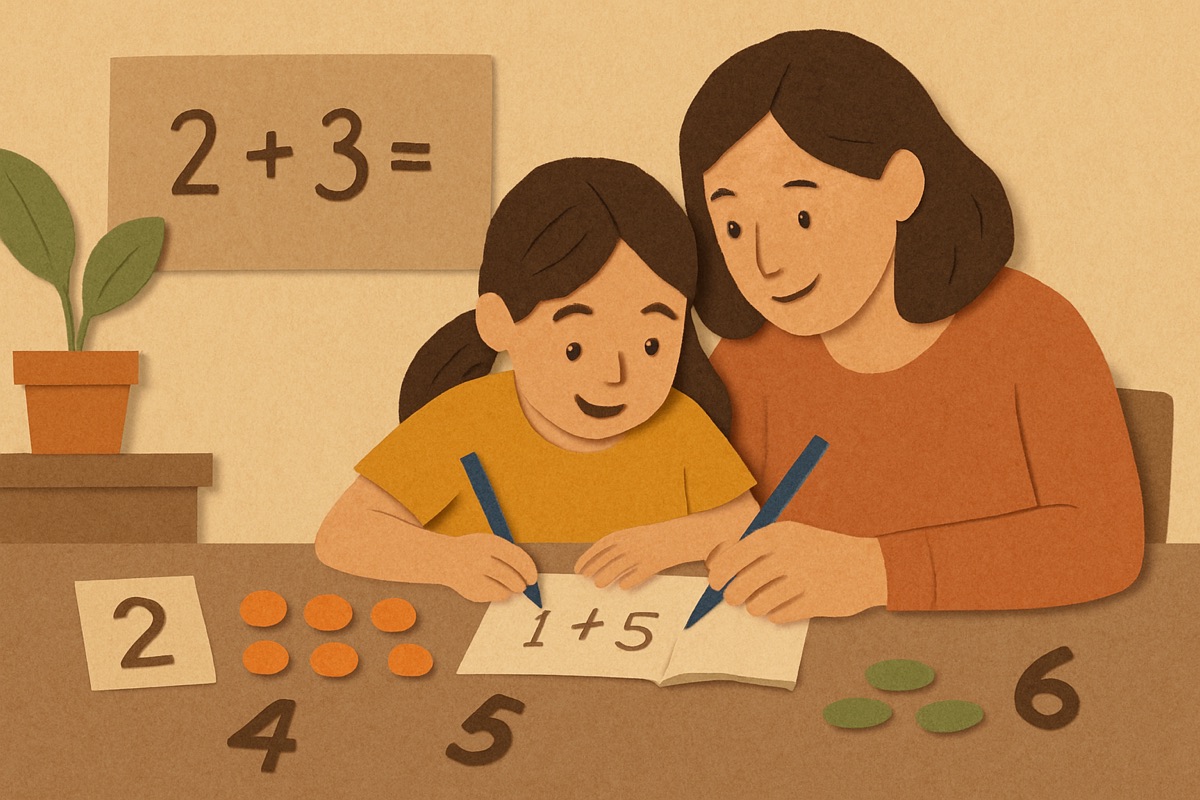
Addition Facts First: Why Subtraction Gets Easier When You Flip It
Subtraction feels like a whole new mountain to kids. It isn't. If they know their addition facts, they already know subtraction. They just need to flip it.

Skip Counting Is the Warm-Up Your Child Needs Before Multiplication
Before the times tables become a wall of facts to memorize, skip counting turns them into a rhythm your child already half knows.

The 6 Multiplication Facts Almost Every Kid Gets Stuck On
After years of flashcards, the same six multiplication facts keep tripping kids up. Here they are, and the specific trick for each one.
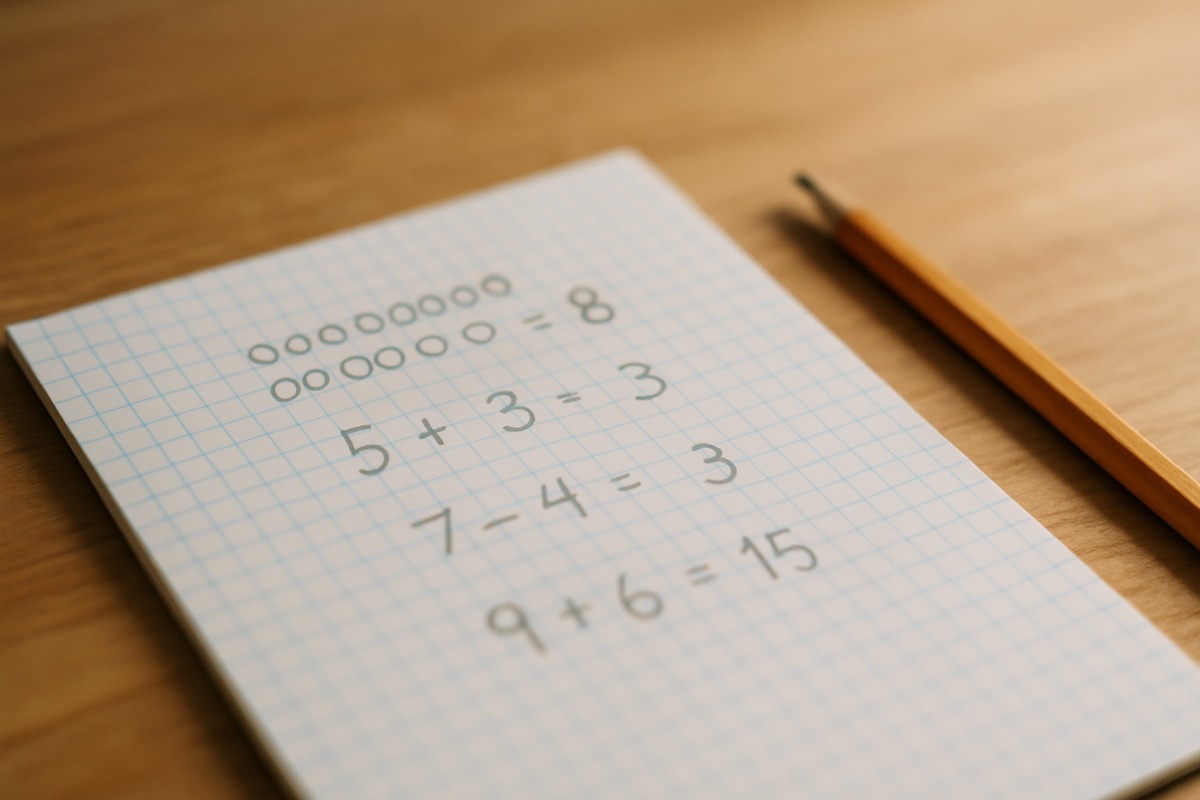
What Timed Tests Do to Kids Who Know the Math but Freeze on the Clock
Some kids know their facts cold and still bomb the timed test. Here's what the clock actually measures, and how to build fluency without the freeze.

How To Tell If Your Child Actually Knows a Math Fact or Is Just Counting Fast
A quick answer isn't proof your child knows a fact. Here are the math fact fluency signs that tell real recall apart from very fast counting.

The Order I Teach Multiplication Facts (and Why I Never Start at the 2s)
Most times table charts march kids from 0 up to 12, and it backfires. Here is the order I teach multiplication facts in, and why I skip the 2s at first.

Why Memorizing Times Tables Isn't the Same as Understanding Multiplication
A kid can rattle off the whole times table and still freeze on a word problem. Here is how to tell if your child understands multiplication or just memorized it.
Give the math a reason.
Kids earn tickets for real practice and trade them for prizes you set at home.
Set up a free parent account