Why I Stopped Assigning Mad Minutes and What I Do Instead
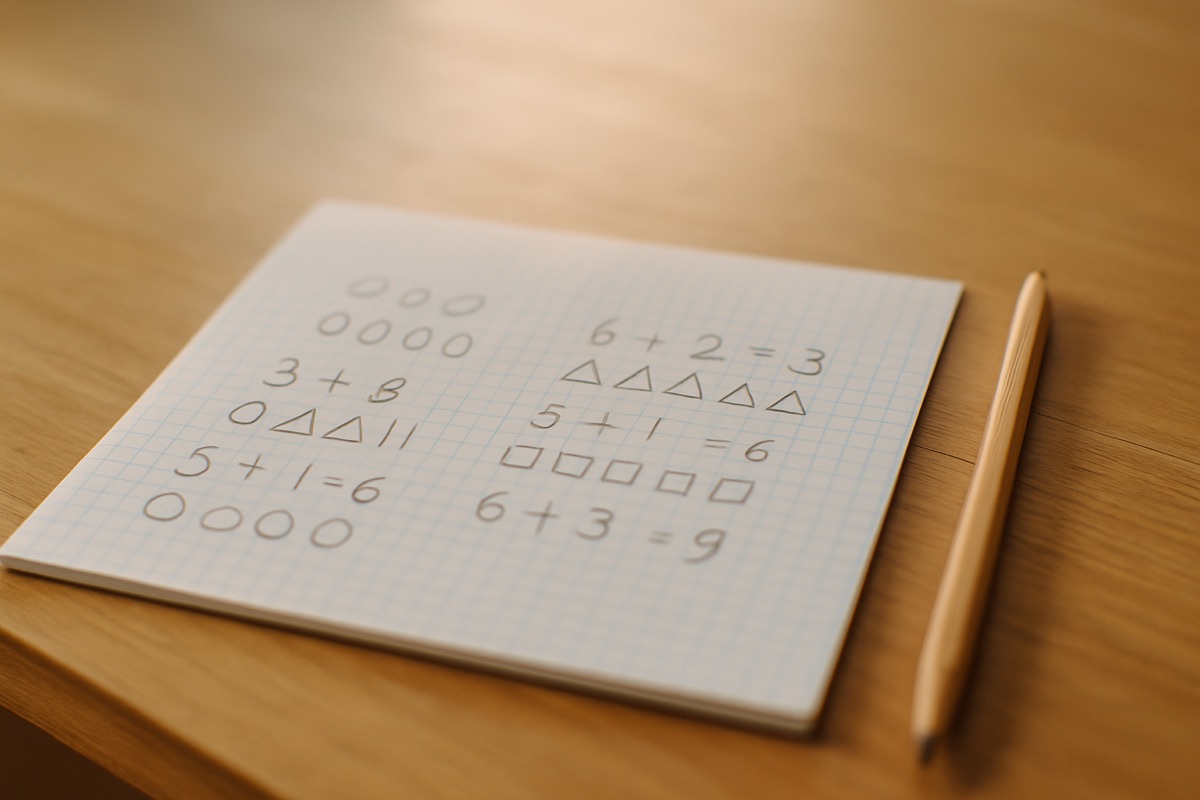
For about eight years I handed out Mad Minutes every morning. Sixty problems, sixty seconds, go. The routine was easy for me and it felt like rigor. Then one September I watched a second grader named Ellie, a bright kid who knew her facts perfectly well when we chatted at her desk, completely freeze the moment the timer started. She got through four problems. Four. She spent the rest of the minute staring at her paper, red in the face, near tears. She knew the answers. The clock had just eaten her ability to reach them.
That morning is why I went looking for alternatives to Mad Minute math, and why I haven't assigned a timed drill since. I want to be fair here: the goal behind Mad Minutes is a good one. Kids really do need their facts to be fast and automatic, because a kid who's still counting on fingers for 8 plus 5 can't spare the brainpower for the bigger problem in front of them. Fluency matters. It's the delivery method I have a problem with, and there are better ones.
What Mad Minutes actually measure
Here's the thing I finally admitted to myself. A timed test doesn't measure whether a kid knows their facts. It measures whether a kid knows their facts while under pressure, which is a completely different skill. And for a lot of kids, pressure is the whole problem.
There's real research on this, but honestly I didn't need a study. I had Ellie at her desk. Stress narrows working memory. When a child feels threatened, and a ticking clock in front of the whole class is a threat, the brain diverts resources to handling the stress and away from recall. So the exact tool meant to build fast recall can shut down the recall in the kids who need help most. The confident, quick kids do fine. The anxious ones get a weekly reminder that they're bad at math, when what they're actually bad at is math under a stopwatch.
And it does something worse over time. It teaches kids that math is a thing that comes at you fast and judges you. That's a lousy relationship to have with a subject you'll use for the rest of your life.
Fluency is real, so I still chase it
I don't want anyone to read this as "drills bad, let kids figure it out whenever." That's not it. Automatic facts are genuinely important. What I changed is how I get there.
The difference is between practice and testing. Mad Minutes are a test dressed up as practice. Real fluency work is practice that feels like practice: low stakes, focused, and repeated often enough to make facts stick. Nobody builds a skill by being tested on it under pressure once a week. You build it by working it a little at a time, calmly, a lot of times. Here's what that looks like in my room now.
What I do instead
I replaced the one big timed drill with a handful of smaller things that add up to more actual practice with none of the panic.
- Short, untimed fact practice. Five to ten minutes, a small set of facts, no clock. The kid works through them at their own pace. We do this often, which is the part that matters. Frequency beats intensity every time.
- Facts in families, not in bulk. Instead of "all the multiplication facts," we work one table at a time until it's solid, then add the next. A kid who owns the sevens has a real win to stand on before we touch the eights.
- Games with dice and cards. War with a deck, but you add the two cards. Roll two dice and race to say the product, against yourself, not the clock. The math is the same as a worksheet. The feeling is completely different, and kids will do it far longer than they'll sit for a drill.
- Talking through strategy. For 8 plus 5, I want a kid to know they can make a ten first (8 plus 2, then 3 more). Facts learned as strategies stick better than facts memorized cold, and they transfer to bigger problems.
- Quick self-checks, private. If I want to see where a kid is, I check one-on-one or let them check themselves. Nobody's score is on display. The information is for helping, not ranking.
None of this is fancy. It's just practice without the audience and without the ticking clock.
Track progress against yesterday, not against the clock
One more thing changed, and it's about how kids see their own growth. On a Mad Minute, a kid measures themselves against sixty problems and against the fast kids around them. That's a losing comparison for most of them.
Now, when a kid gets faster, they're measuring against their own last week. Ellie went from freezing at four problems to comfortably knowing her whole addition set by winter, and she could feel it, because she wasn't racing anyone. Progress you can feel is worth ten times more than a number you're ashamed of. The reward, when there is one, is tied to a kid genuinely getting better at something real, not to beating a stopwatch or grinding through a page as fast as possible.
If you're a parent trying this at home, that's the mindset to carry over. Skip the timer. Do a little practice most days, keep it calm, work one small set of facts at a time, and notice out loud when your kid gets quicker than they used to be. That's the whole method, and it builds the same fast, automatic facts Mad Minutes were reaching for, without teaching a kid to dread the sight of a math page.
Ellie's in fourth grade now. She's quick with her facts, quicker than plenty of kids who aced those timed tests back then. She just got there without ever once staring at a clock with her face going red. I'll take that trade every time.