Choosing apps and tools
How to evaluate a math app or tool before you hand it to your kid, from someone who builds them.
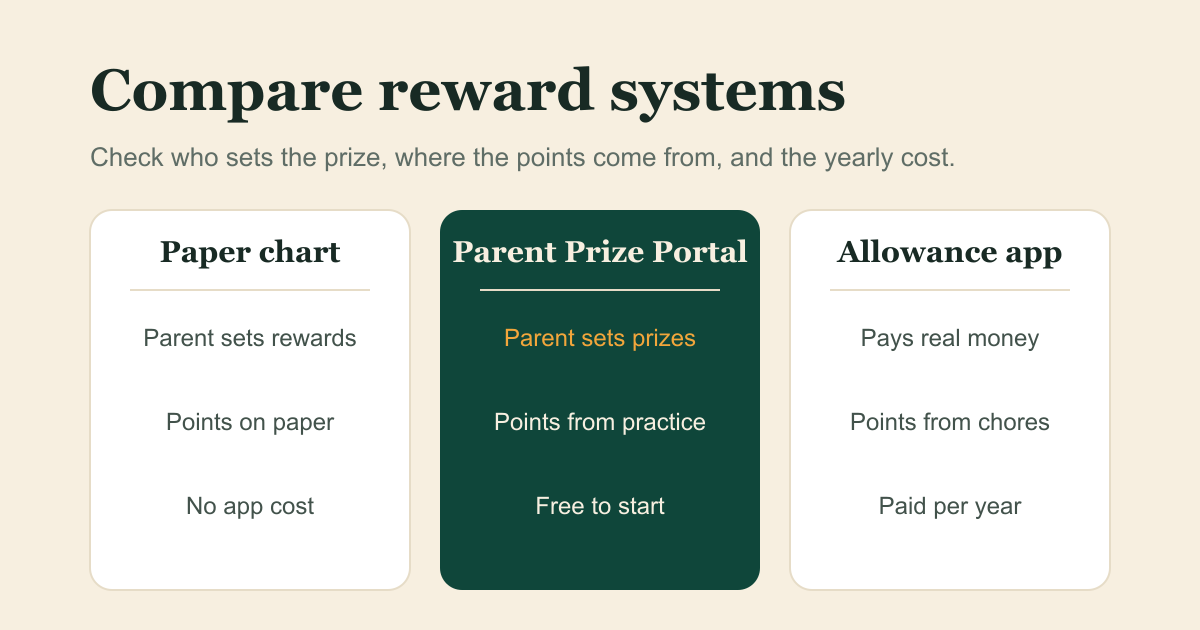
Best Learning Reward Apps for Kids: Parent-Controlled Options
Compare parent-controlled learning reward options by what earns points, who chooses rewards, reporting, device support, privacy claims, price, and limitations.
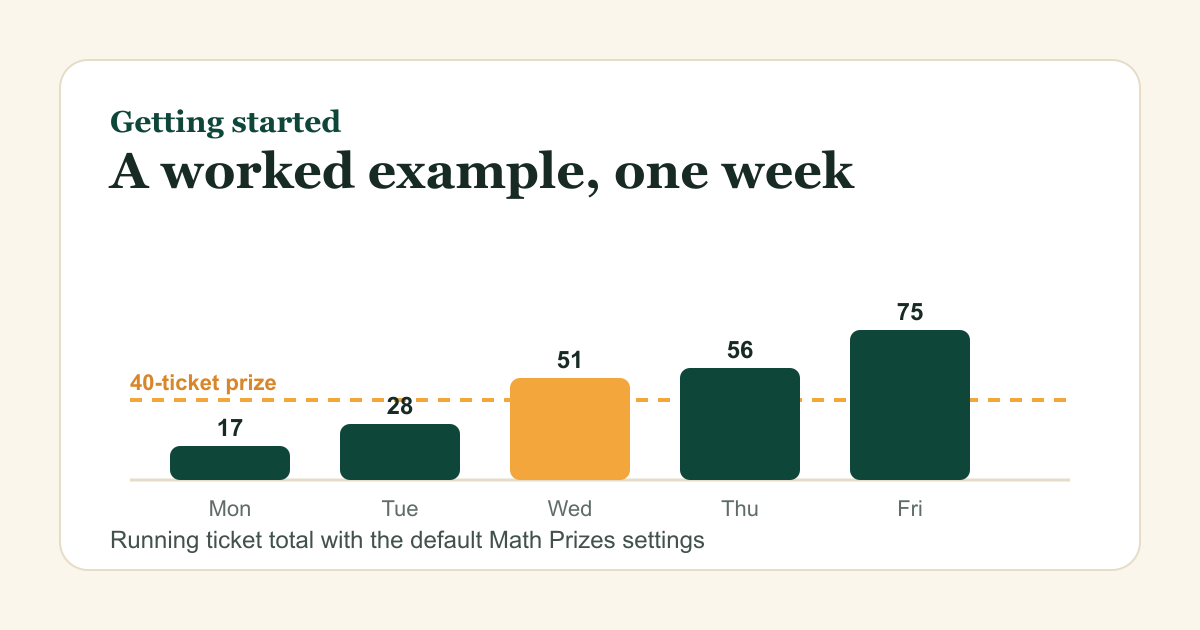
Getting Started With Parent Prize Portal: A Worked Example
To start, create a free parent account, pair the child's device with the six-digit code, and add one prize with a ticket price. Then follow the numbers.

Free Math Websites That Are Actually Good, and How to Judge One
Most free math sites are built to keep kids clicking, not to teach them. Here is how a software engineer tells the good ones apart in about five minutes.
Printable Math vs Digital Math: A Skill-by-Skill Breakdown
Paper isn't old-fashioned and screens aren't cheating. Here's which one actually helps for each math skill, based on how each medium really works.

How to Set Up a Kid's Device So a Math App Can't Wander Off
The built-in feature that keeps a kid inside one app until you say otherwise, so math time stays math time and doesn't drift to video.

The Hardware Question: Tablet, Phone, or Laptop for Home Math Practice
Tablet, phone, or laptop for home math practice? A developer breaks down what each device actually does well, and the one most families already own.
Does Speed Matter? Judging Timed Practice Features in Math Apps
Every math app slaps a timer on the screen. Some clocks build fluency and some just add pressure. Here is how to tell which one you are looking at.

How to Try a Math App With Your Kid Instead of At Them
Handing a kid a math app and walking away is the fastest way to waste it. Here is how to sit down for the first ten minutes and get it right.

Offline Math Tools: What to Load Before a Long Car Ride
Somewhere past the last cell tower, the streaming stops and the whining starts. Here is what to load before you leave so math travels with you.
In-App Purchases in Math Games: Where to Draw the Line
Some in-app purchases pay for real content. Others are traps built to get a seven-year-old to tap Buy. Here is how to tell the two apart.

Subscriptions That Quietly Renew: Auditing the Cost of a Math App
That $9.99 math app your kid used twice is still charging you. Here's how to find every quiet renewal and decide which subscriptions are actually earning their keep.
Best Math Fact Practice Apps for Kids (2026): A Parent's Guide
Compare six current math practice options, then use a four-question ten-minute test before choosing one for your child.
The Parent Dashboard Test: Can You Actually See What Your Kid Is Doing
Most math app dashboards show you activity, not learning. Here's how to tell the difference, and the five questions a real parent dashboard should answer fast.
Does the App Grow With My Kid? Testing for Grades 1 Through 5
Most math apps say they adapt. Here is a fifteen-minute test that shows you whether the one on your kid's tablet actually does.
Ads in Kids Apps: How to Tell If They Are Harmless or Predatory
Not every ad in a kids app is a red flag, but some designs are built to trick children. Here is how a developer tells the difference in about two minutes.

When a Deck of Cards Beats Any Math App You Can Buy
I build a kids math app for a living, and some nights I still hand my daughter a deck of cards instead. Here is when that is the better call.
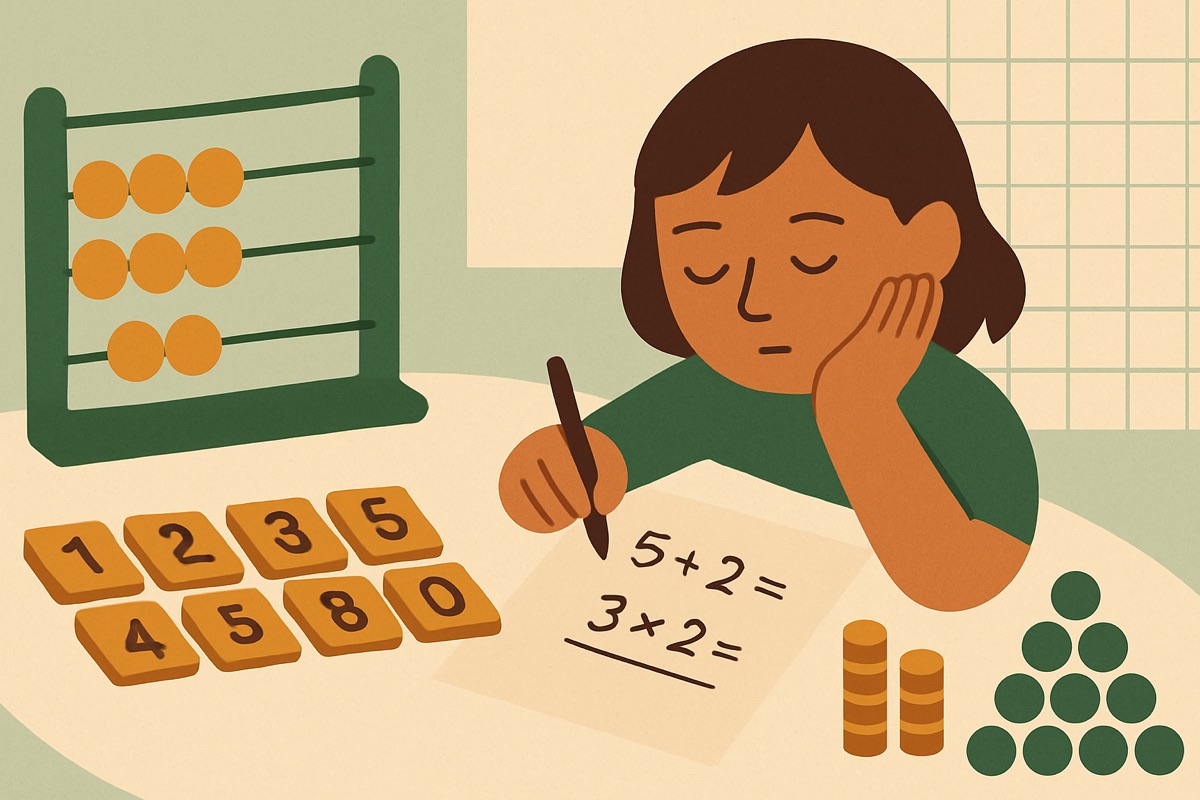
Building a Home Math Kit: The Manipulatives Worth Buying and the Ones to Skip
You can build a genuinely useful math manipulatives kit at home for under twenty dollars. Most of what the education stores sell is markup on plastic.

How Much Screen Grind Is Hiding in Your Kid's Math App
Your kid did 20 minutes of math on the tablet. But how much of that was actual thinking, and how much was tapping through padding built to keep them on screen?

Adaptive Difficulty: The One App Feature Worth Paying For
The one math app feature that actually earns its subscription, how to tell the real thing from marketing, and the trick most apps use to fake it.
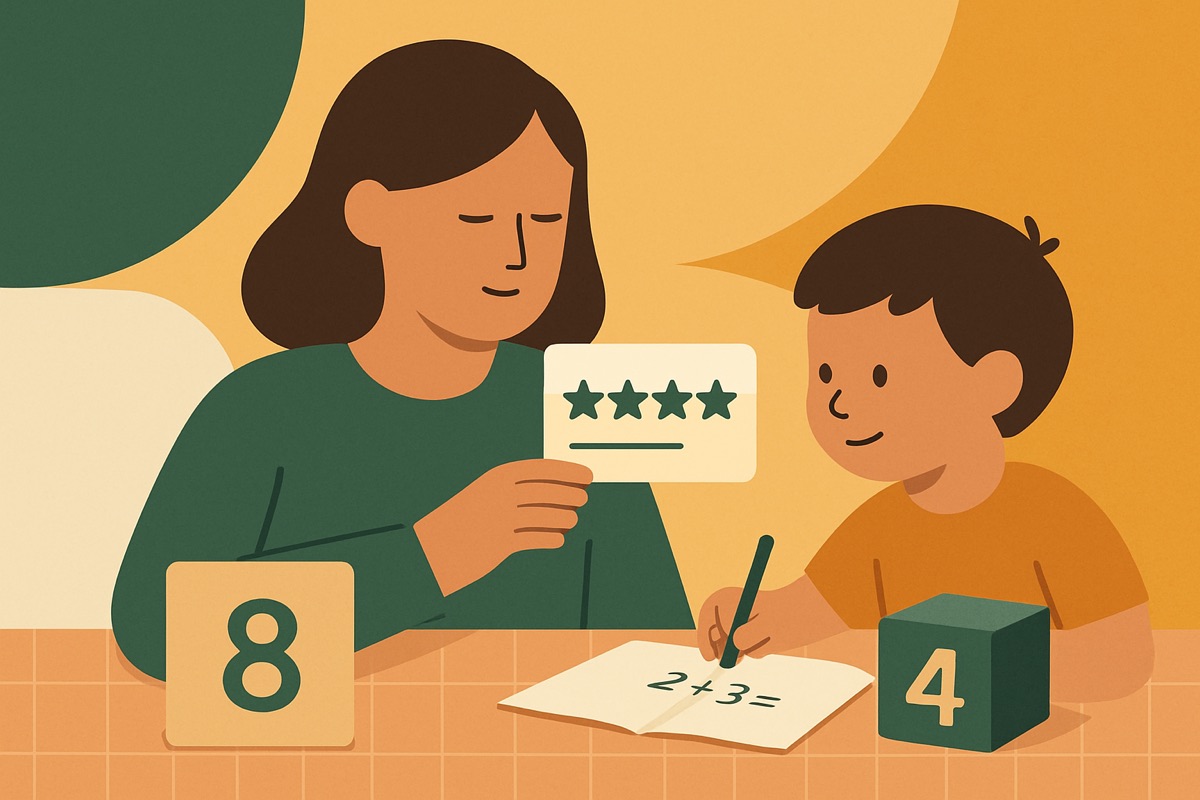
Reading the Reviews: How to Read App Store Ratings Without Getting Fooled
A 4.8-star math app can still be junk for your kid. Here is how the rating machinery actually works, and how to read reviews without getting played.
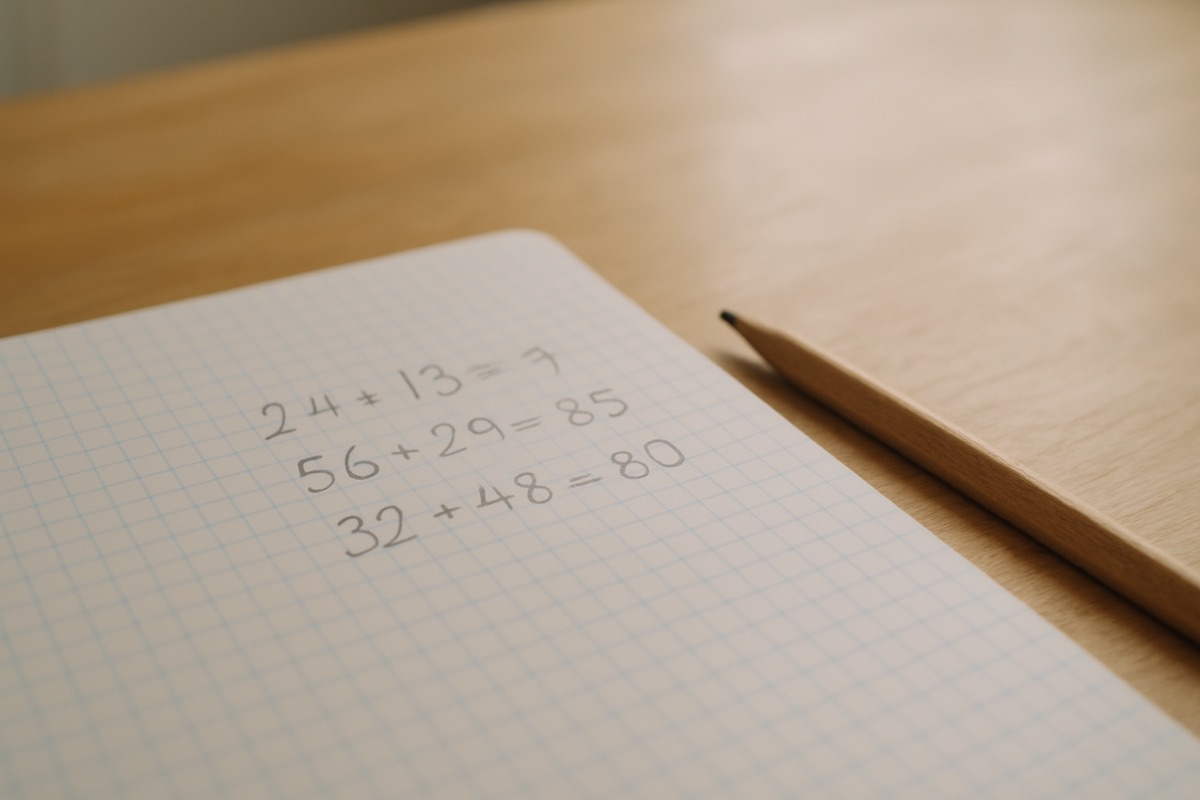
The Difference Between an App That Teaches and One That Just Quizzes
Most math apps just check answers and call it teaching. Here's how to tell whether an app is actually teaching your kid or only testing them.

Worksheets or Apps: When Paper Still Wins for Elementary Math
I build a math app for a living and my own kids, and I still hand them a paper worksheet for certain things. Here is exactly when paper wins.

How to Spot a Junk Math App in Under Five Minutes
Most math apps in the store are games with a thin coat of arithmetic on top. Here is how to tell in five minutes, before your kid gets hooked.
What COPPA Actually Means for the Math App on Your Kid's Tablet
COPPA is thrown around like a badge on every kids app, but most parents have no idea what it actually stops a company from doing. Here's the plain version.

Seven Questions to Ask Before You Download Any Math App
I build kids apps for a living, so I know where the traps are hidden. Here are the seven questions I ask before I let one onto my own kids' tablet.
Free vs Paid Math Apps for Kids (2026): Costs, Ads, Privacy, and Fit
Compare six current math options by fit, age, free access, price, purchase pressure, parent reporting, and limitations.

How I Test a Math App Before My Own Kids Ever See It
Before I let either of my kids near a math app, I sit down and try to break it. Here is exactly what I look for and why it matters.
Give the math a reason.
Kids earn tickets for real practice and trade them for prizes you set at home.
Set up a free parent account