All articles
Every guide in the Math Prizes resource hub, newest first. Page 15 of 16.
The First Grade Math Skills That Actually Matter (And the Ones That Can Wait)
The first grade math skills that build a real foundation, the ones parents stress about that can wait, and how to practice at home without a battle.
Why At-Home Math Practice Matters More Than You Think
The kids who pull ahead in math are rarely the naturally gifted ones. They are the ones who touched numbers a little bit, most days, at home.

The 20-Minute Rule: When to Stop Fighting a Math Homework Problem
One math problem can eat an entire evening and teach your kid nothing but that they hate math. Here's the rule I give parents to end it.

Why Rewards for Grinding Backfire, and What to Reward Instead
Paying a kid per worksheet teaches them to race through math, not learn it. Here is what to reward instead so effort actually turns into understanding.
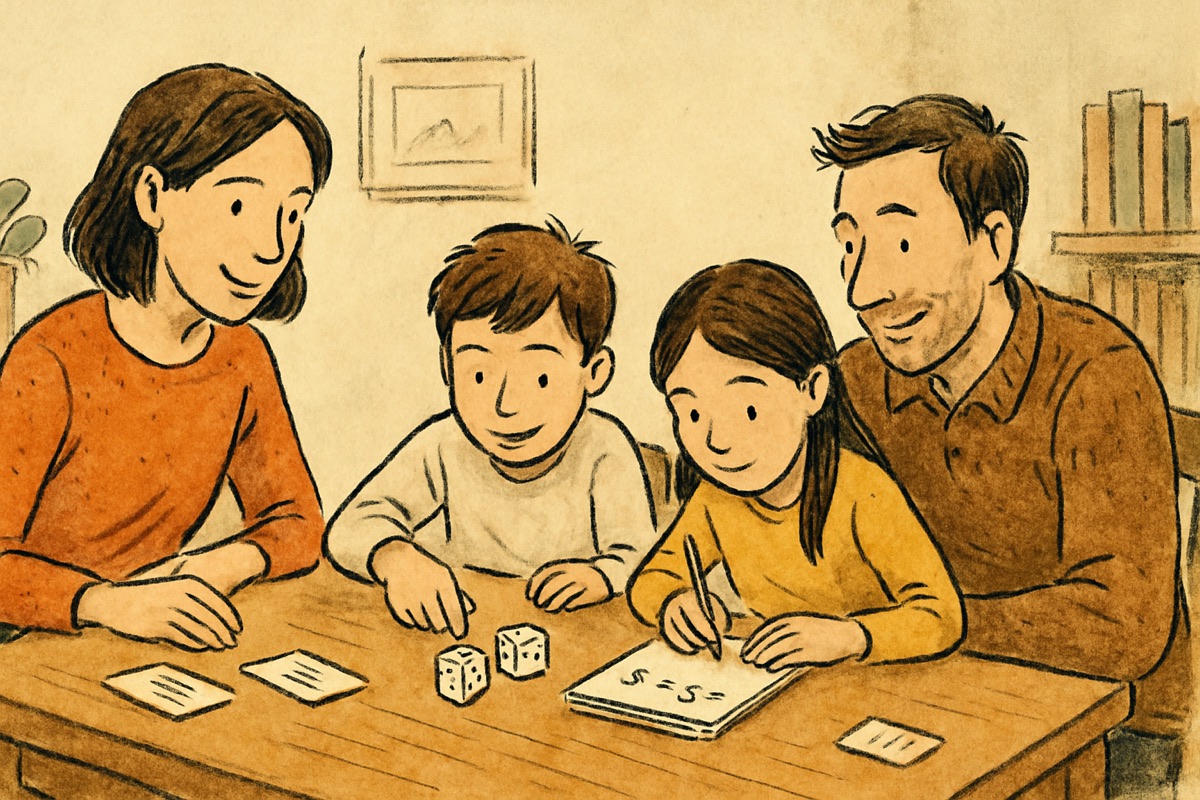
Dice Math Games That Sneak In Real Practice (Grades 1 to 5)
A pair of dice from an old board game turns into ten minutes of real math practice. Here are the games I use, sorted by grade, and the skill each one builds.
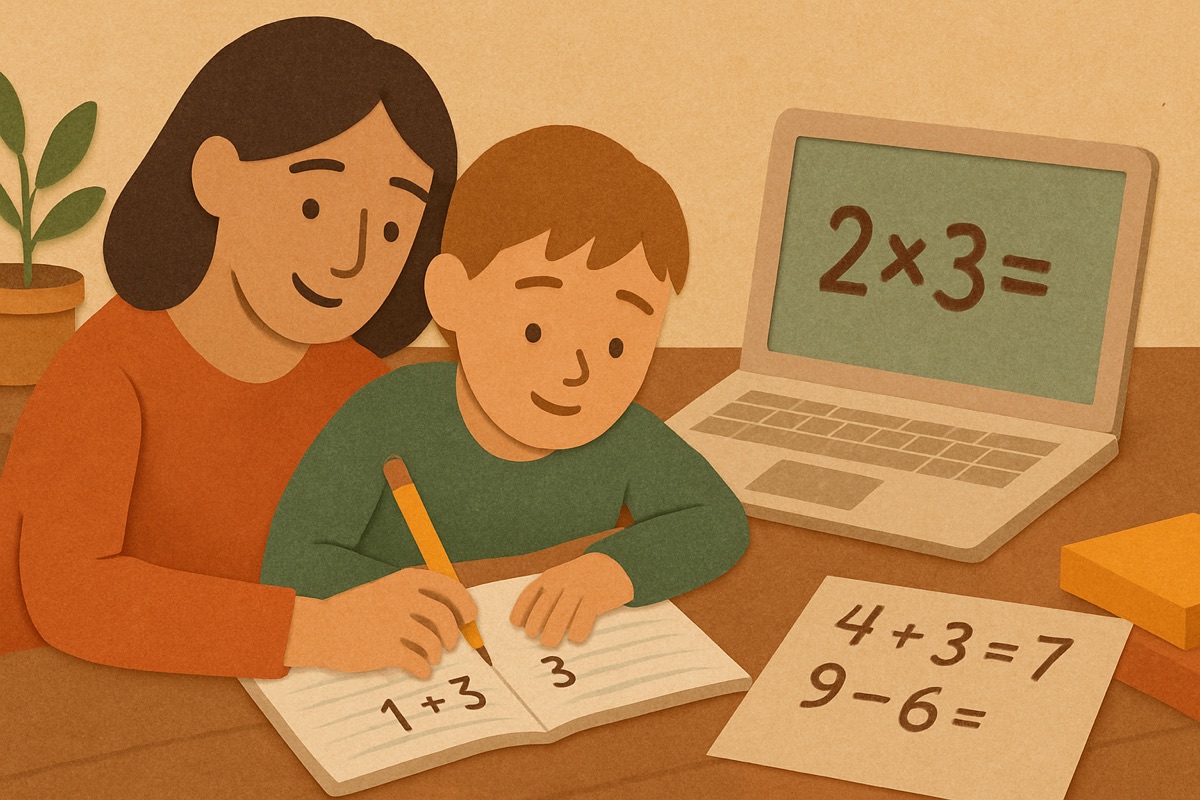
How to Tell If an AI Tutor Is Teaching Your Kid or Just Doing the Homework
A veteran teacher explains how to spot the difference between an AI tutor that teaches your child and one that just hands over the finished homework.
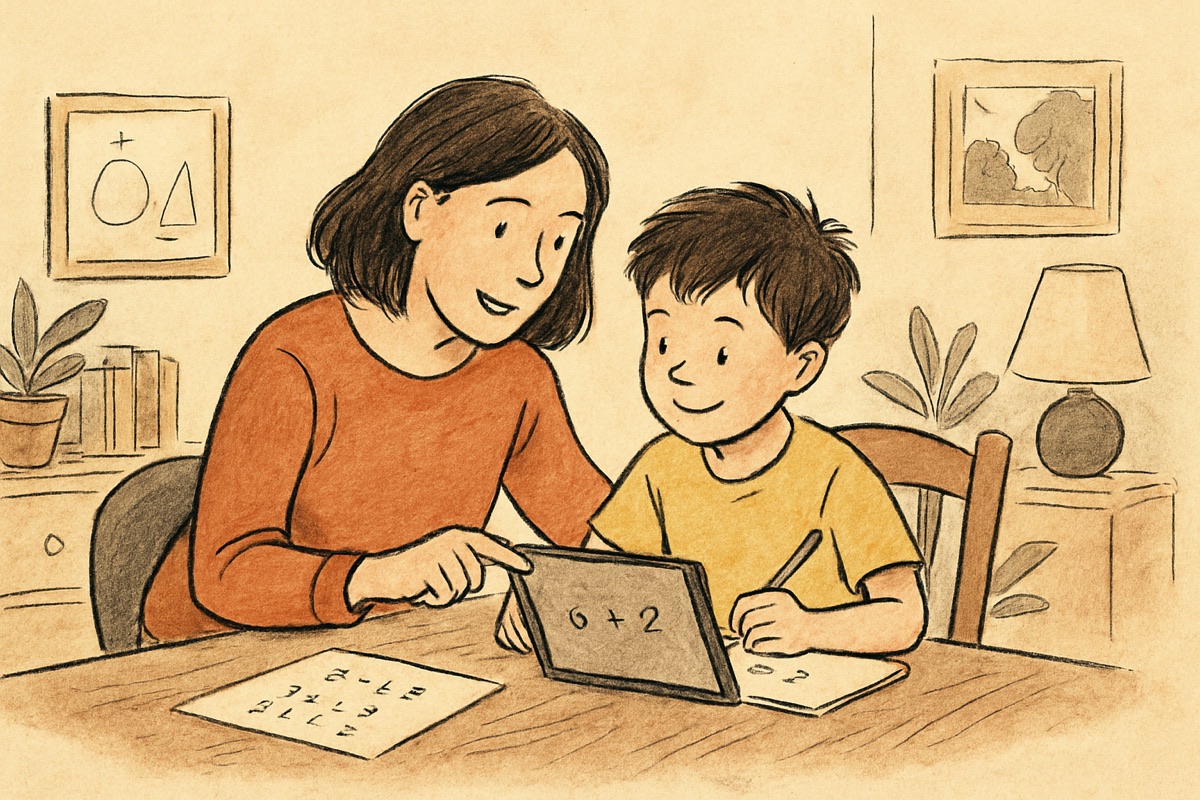
Productive Screen Time vs Junk Screen Time: How To Tell at a Glance
You don't need an hour to judge an app. Here are the plain signals I use to tell productive screen time from junk in about a minute.
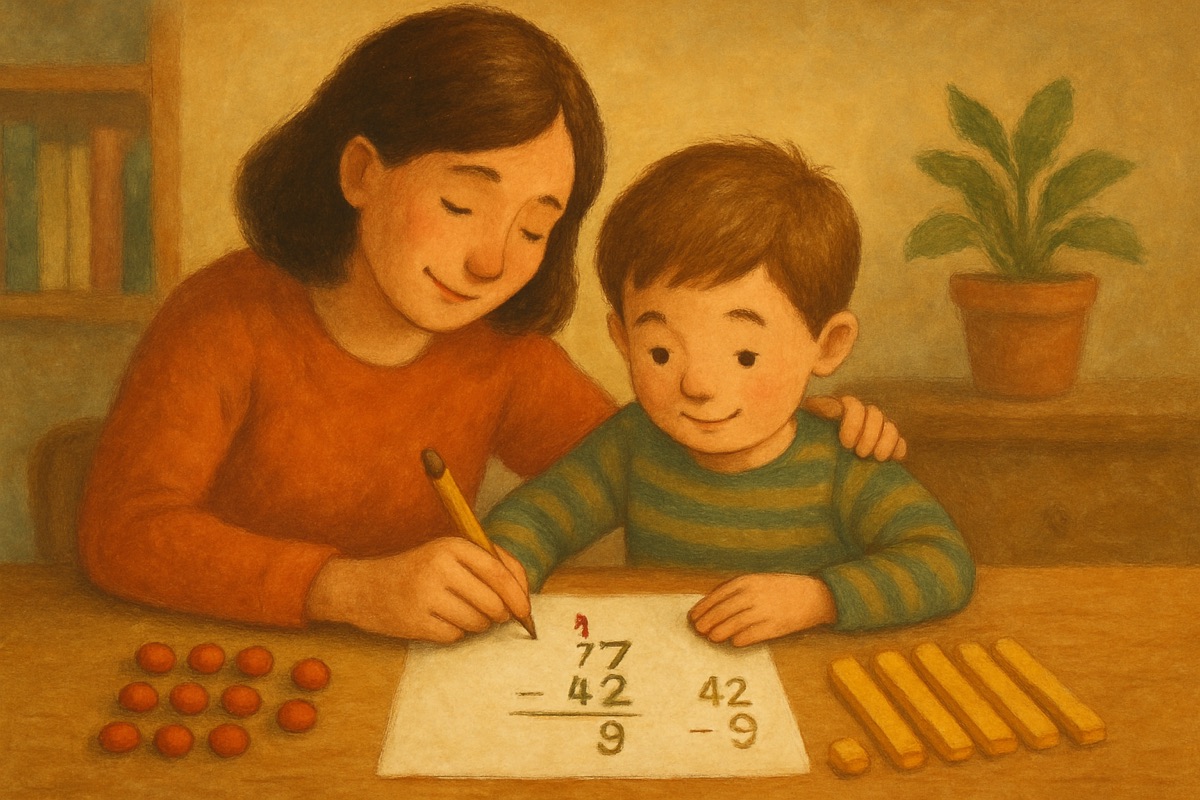
Regrouping and Borrowing: What the 'Little 1' Actually Means
The little 1 kids write when they carry or borrow is not a rule to memorize. It is a trade. Here is how I get that across so it finally sticks.
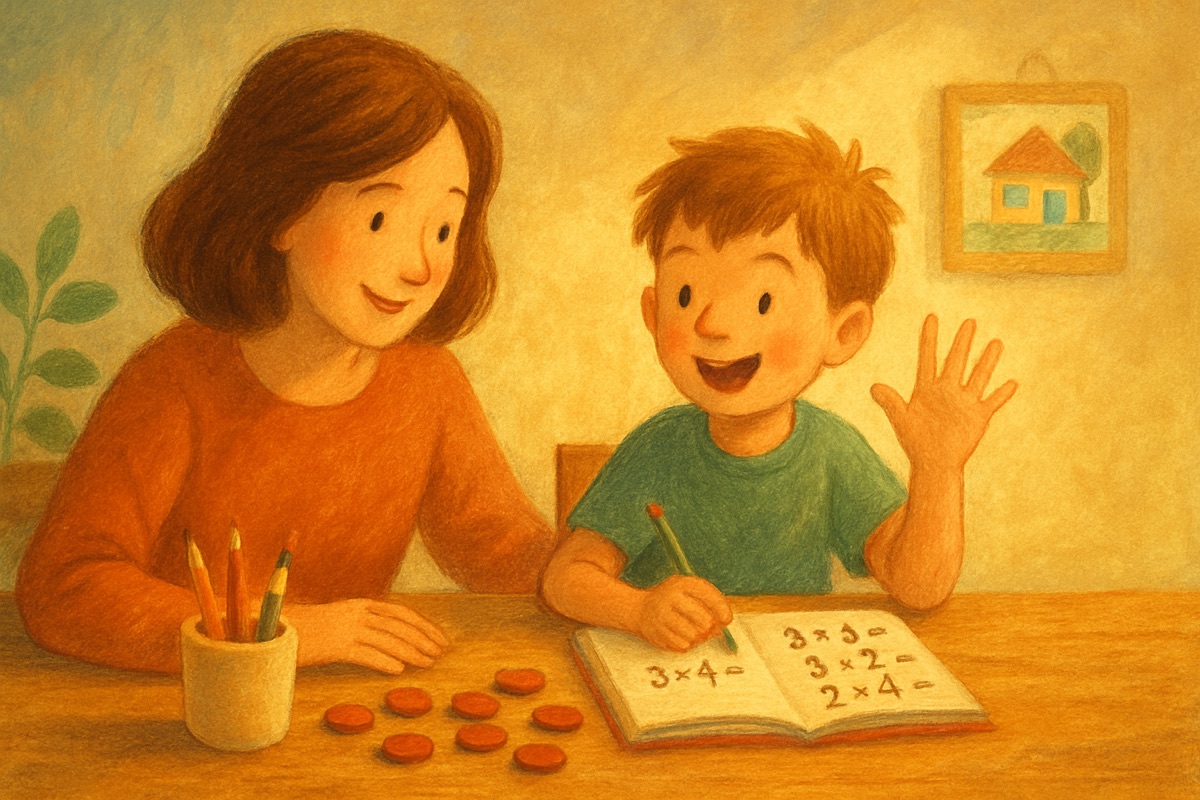
The Order I Teach Multiplication Facts (and Why I Never Start at the 2s)
Most times table charts march kids from 0 up to 12, and it backfires. Here is the order I teach multiplication facts in, and why I skip the 2s at first.
How To Help a Child With Math Anxiety Without Making It Worse
The kid who freezes on a timed test usually isn't bad at math. Here's how to help a child with math anxiety without piling on more pressure.
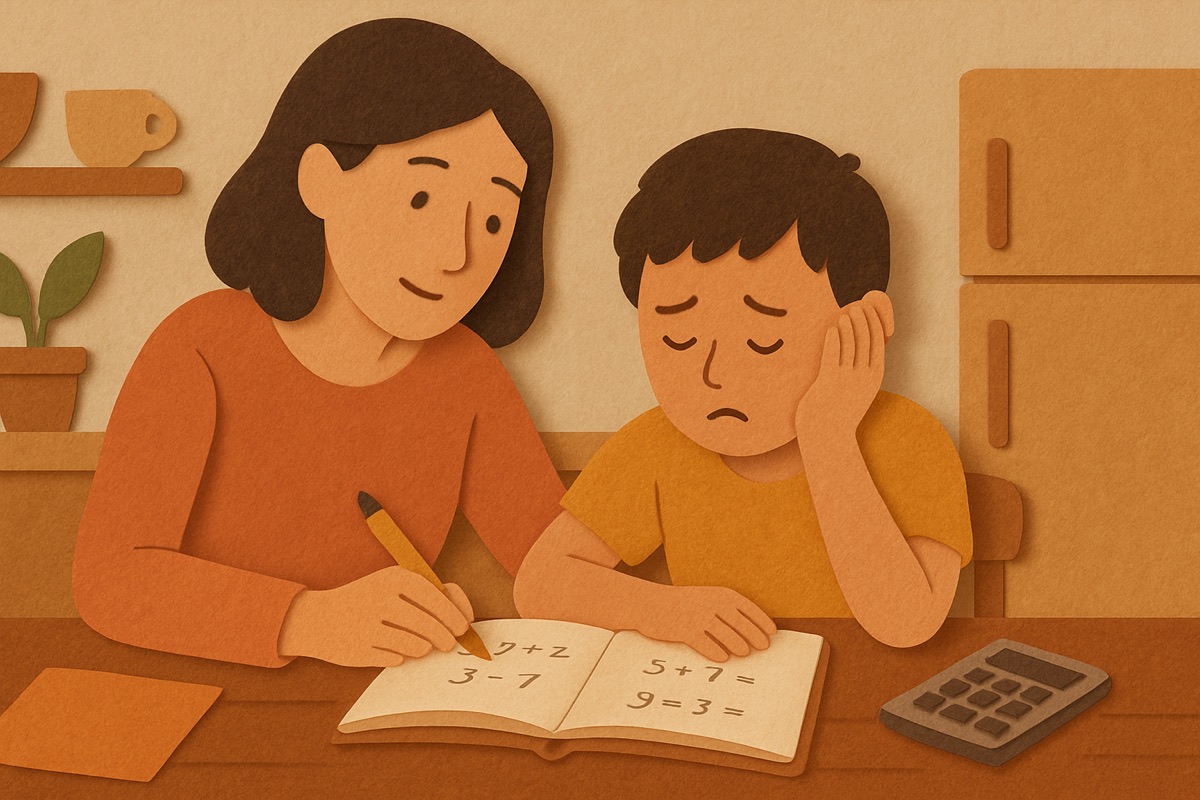
7 Real Signs Your Child Is Struggling With Math (Not Just Being Lazy)
The kid who says math is boring is often the kid who is lost. Here are the quiet signs a child is struggling, and what each one is really telling you.

How I Test a Math App Before My Own Kids Ever See It
Before I let either of my kids near a math app, I sit down and try to break it. Here is exactly what I look for and why it matters.
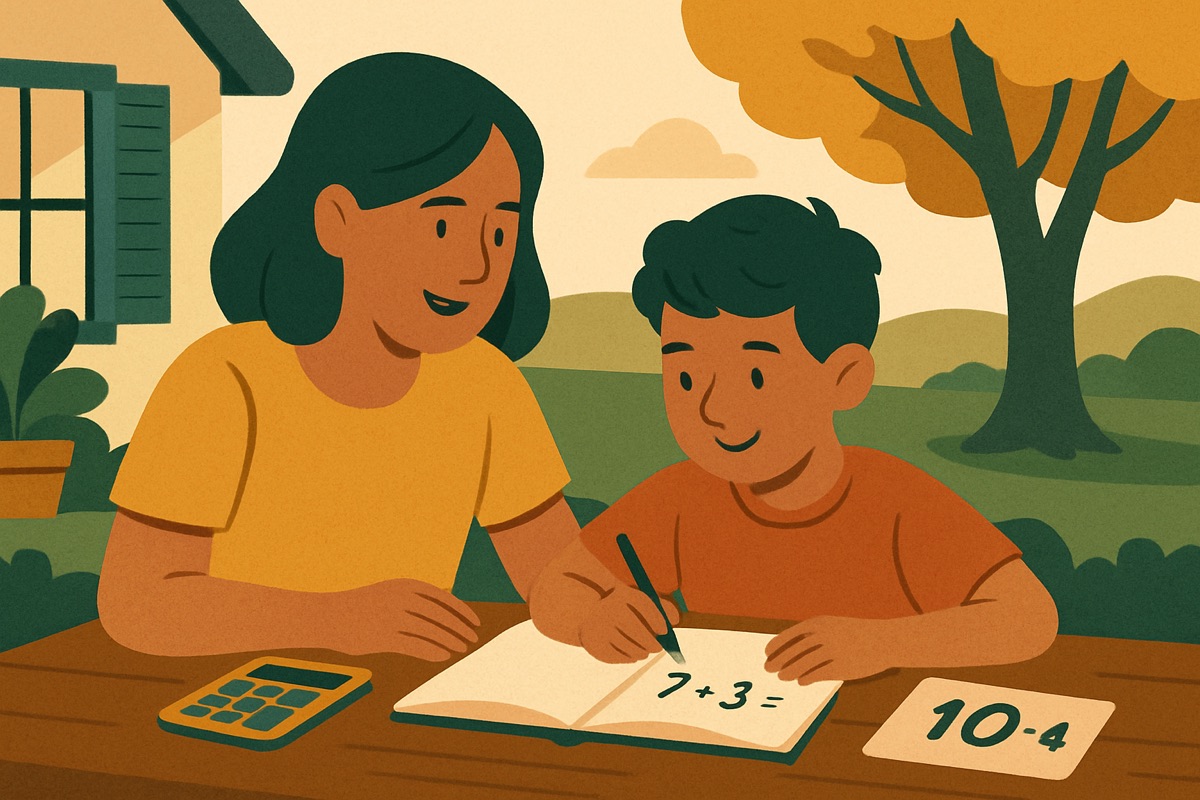
Beating the Summer Slide in Math With 15 Minutes a Day
You don't need a workbook mountain to beat the summer slide in math. Fifteen focused minutes a day, done right, holds more ground than a rushed August cram.
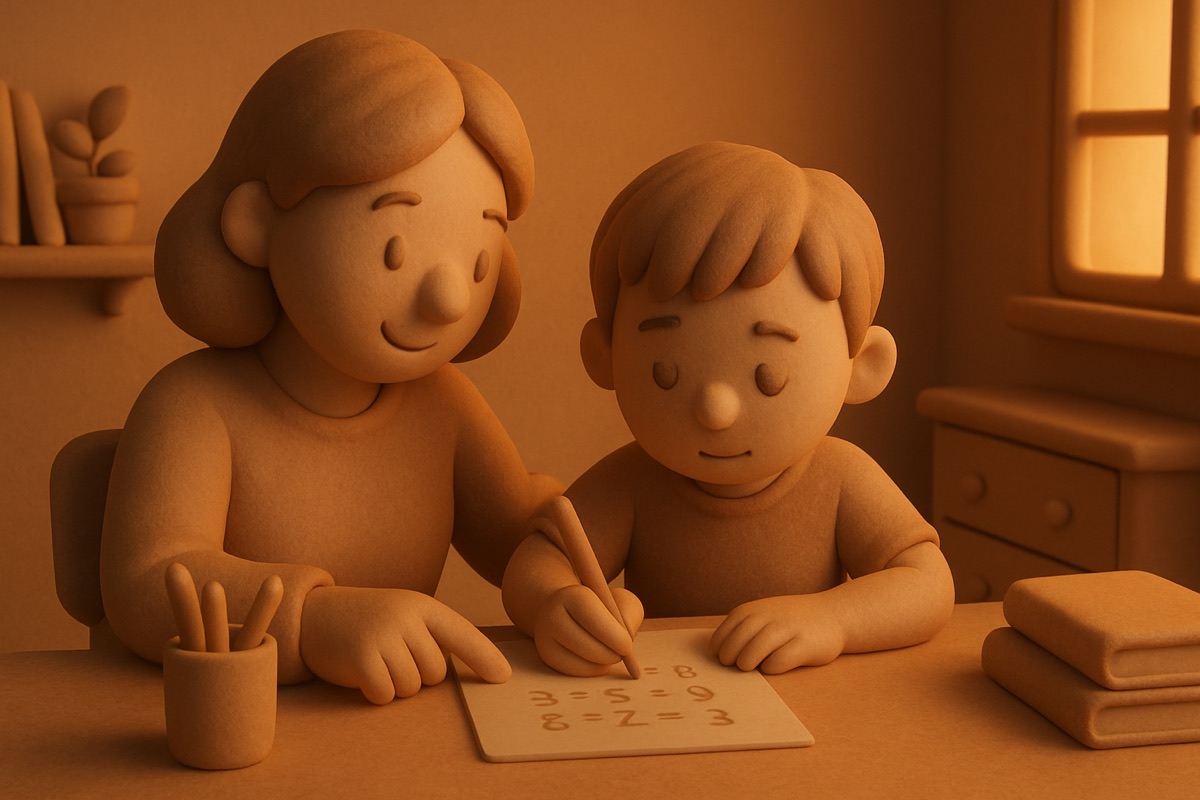
How to Help With Math Homework When You Were Never a Math Person
You do not need to be good at math to help your kid with it. Here is what actually works at the kitchen table when the numbers scare you too.
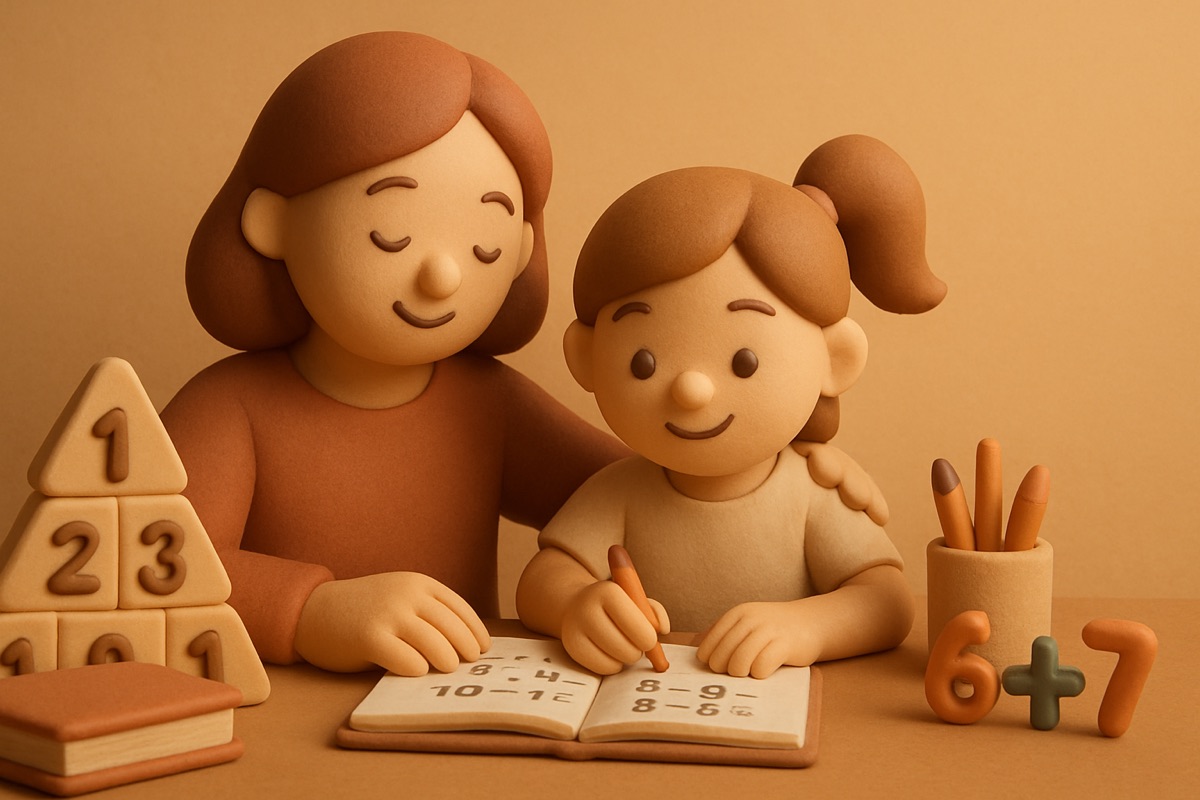
What Math Should My Kindergartner Know? A Teacher's Honest Checklist
The kindergarten math skills that actually matter, what can wait until first grade, and how to help at home without a single worksheet.
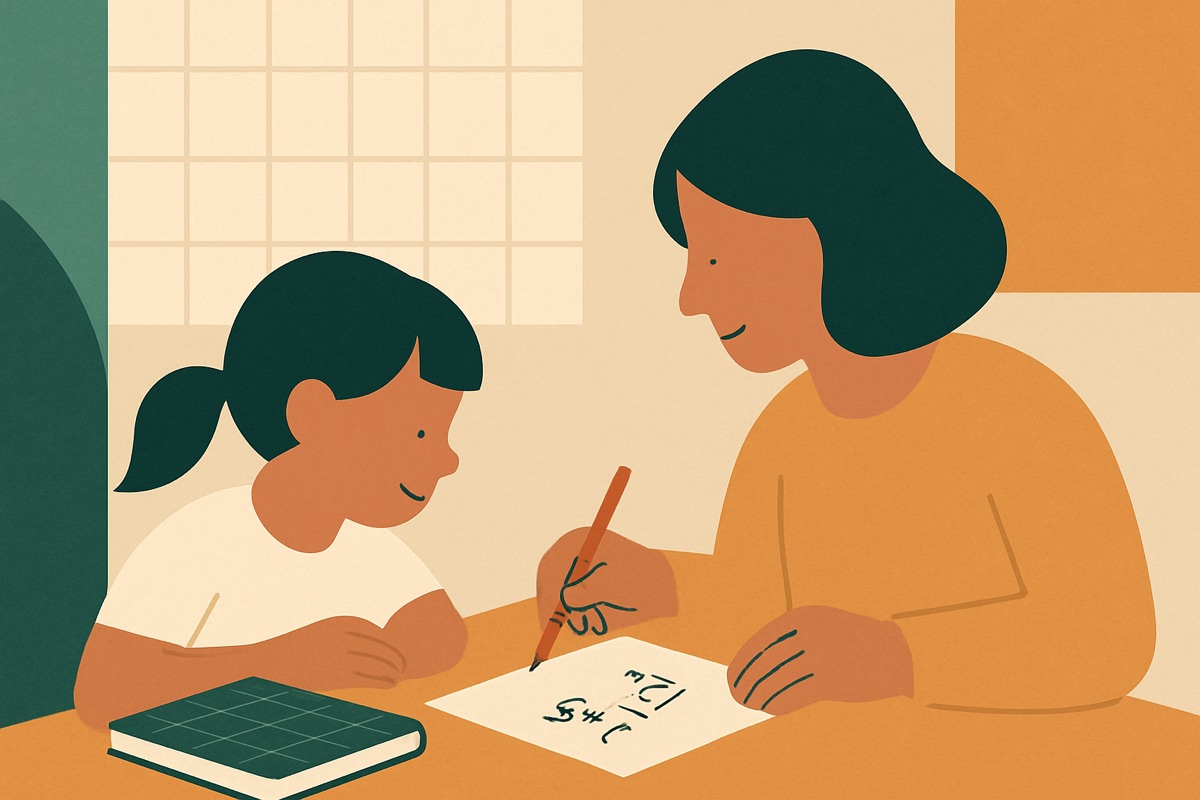
Why 10 Minutes of Math a Day Beats an Hour on Sunday
A weekend cram session feels productive, but ten minutes of math a day is what actually makes it stick. Here is why, from sixteen years in the classroom.
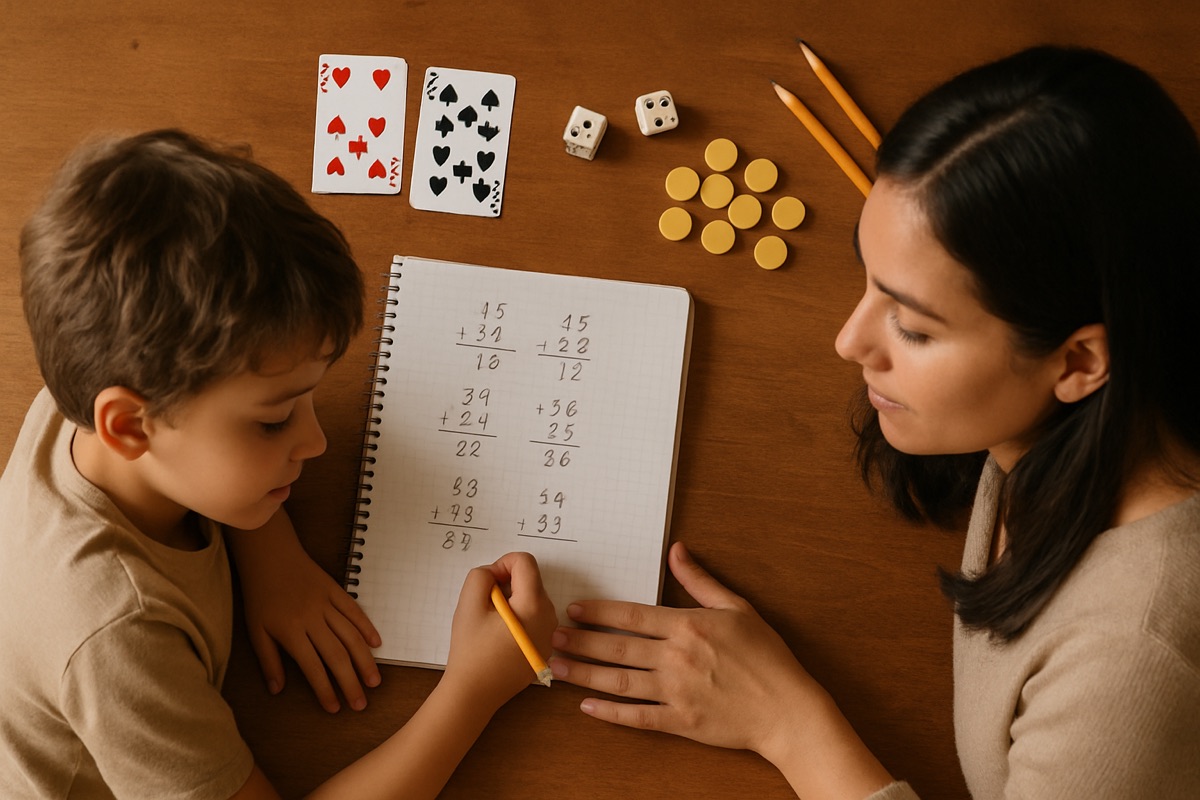
How to Help With Math Homework Without Just Giving the Answer
The hardest part of homework time is watching your kid stall and not just telling them the answer. Here is how to help without doing it for them.

How to Motivate a Kid Who Says I Hate Math Without Making It Worse
When a kid says I hate math, arguing back never works. Here is what actually shifts a reluctant learner, from a teacher who has watched it happen for years.
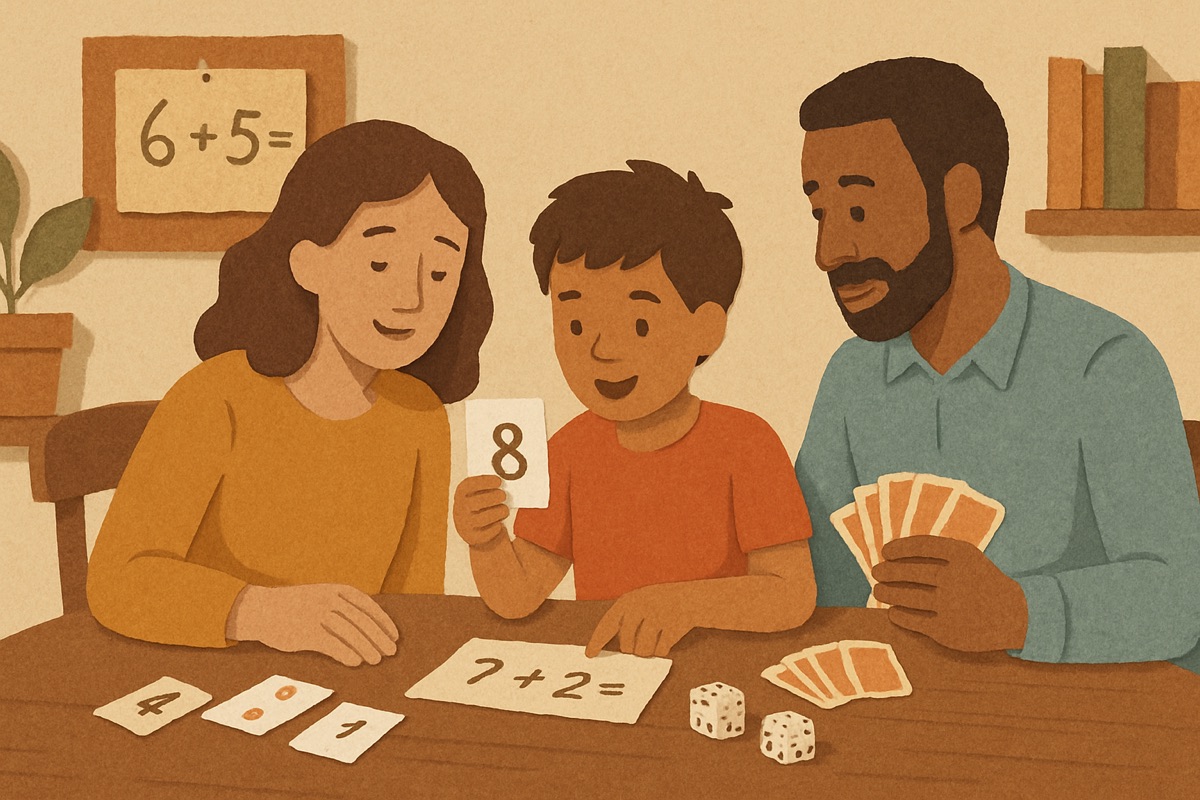
16 Kitchen Table Math Games You Can Play With One Deck of Cards
One deck of cards turns into a week of math practice. Here are ten kitchen table card games kids actually ask to play, and the skill each one quietly builds.
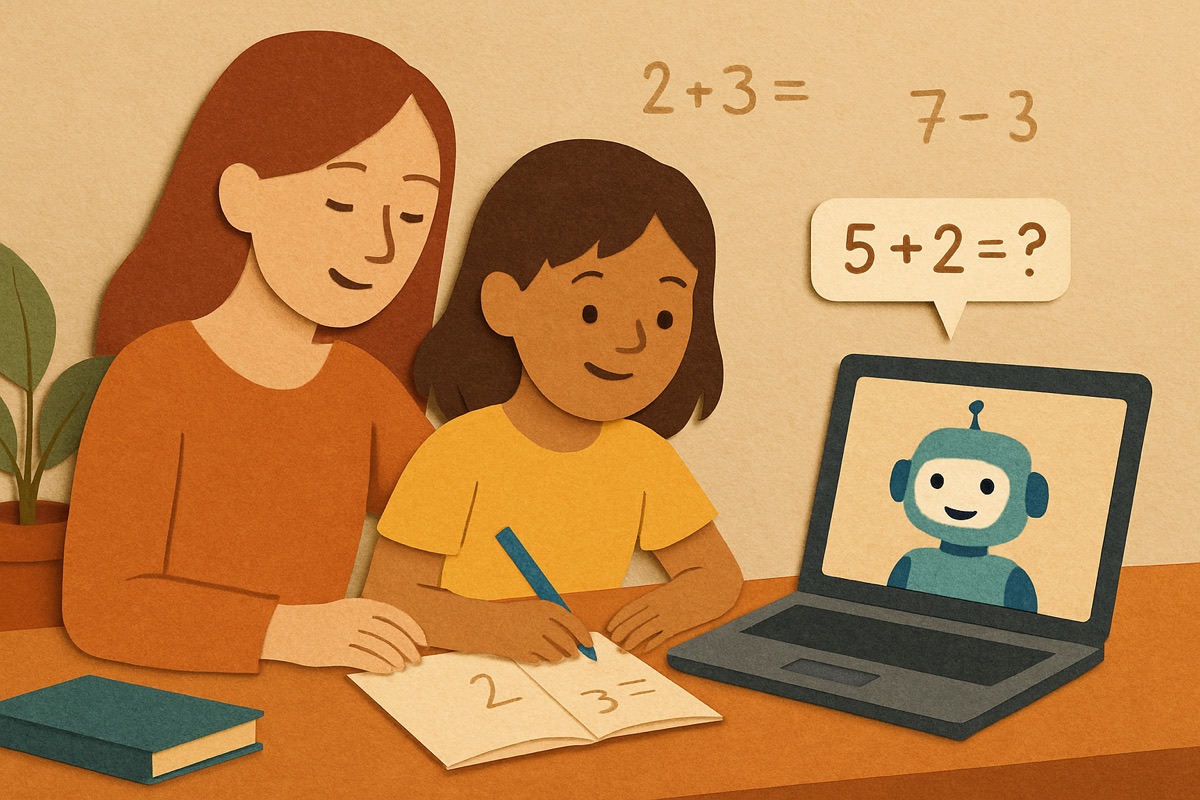
Are AI Tutors Safe for Elementary Kids? A Parent's Honest Look
I build kids software for a living. Here is my honest read on whether an AI tutor is safe for an elementary kid, and what to actually check first.
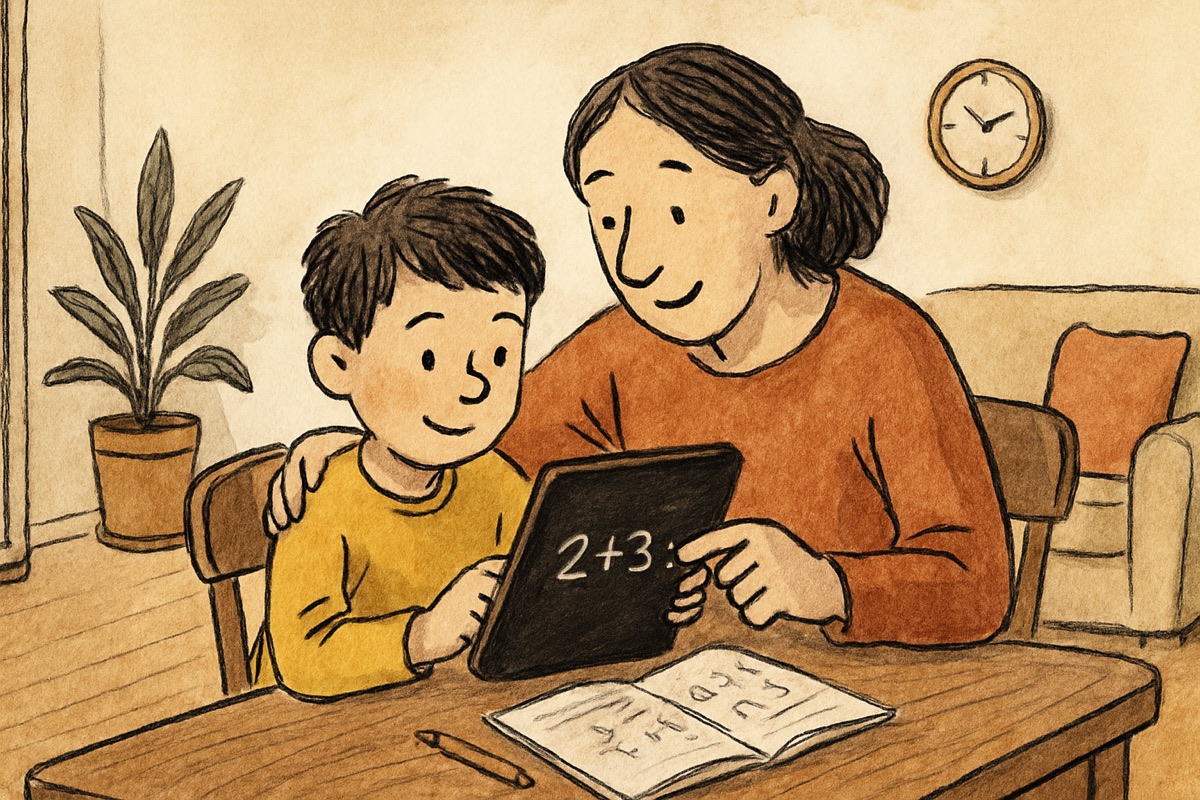
How Much Screen Time Is Right for a First Grader (What Changed This Year)
A first grader's screen time is less about the number on a timer and more about what the screen is doing. Here is what I tell parents at conferences.
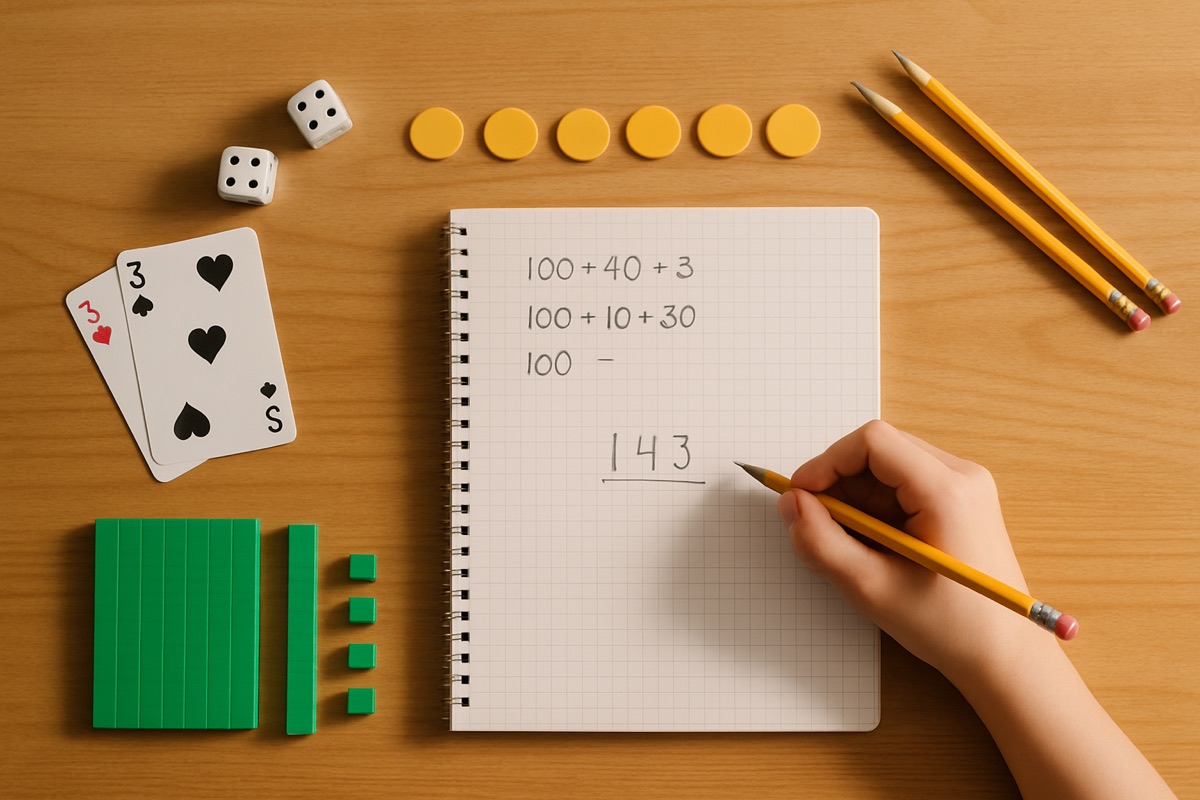
Place Value Is the Foundation Everything Else Sits On
When a kid keeps making the same odd mistakes in bigger math, the problem is almost always place value. Here is how I teach it so it finally sticks.
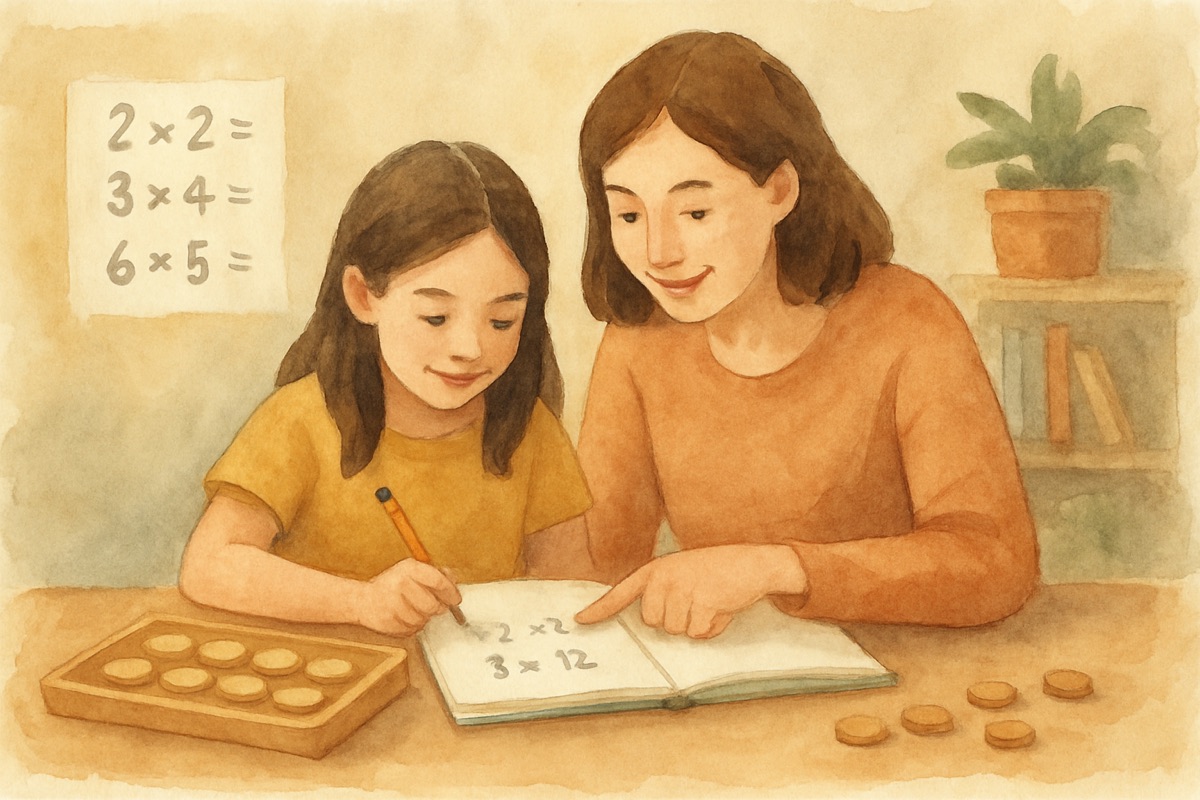
Why Memorizing Times Tables Isn't the Same as Understanding Multiplication
A kid can rattle off the whole times table and still freeze on a word problem. Here is how to tell if your child understands multiplication or just memorized it.
'I'm Just Not a Math Person': The Sentence To Stop Saying Around Your Kids
The moment a parent laughs and says they were never good at math, a kid files it away as permission to quit. Here is what to say instead.