All articles
Every guide in the Math Prizes resource hub, newest first. Page 12 of 16.
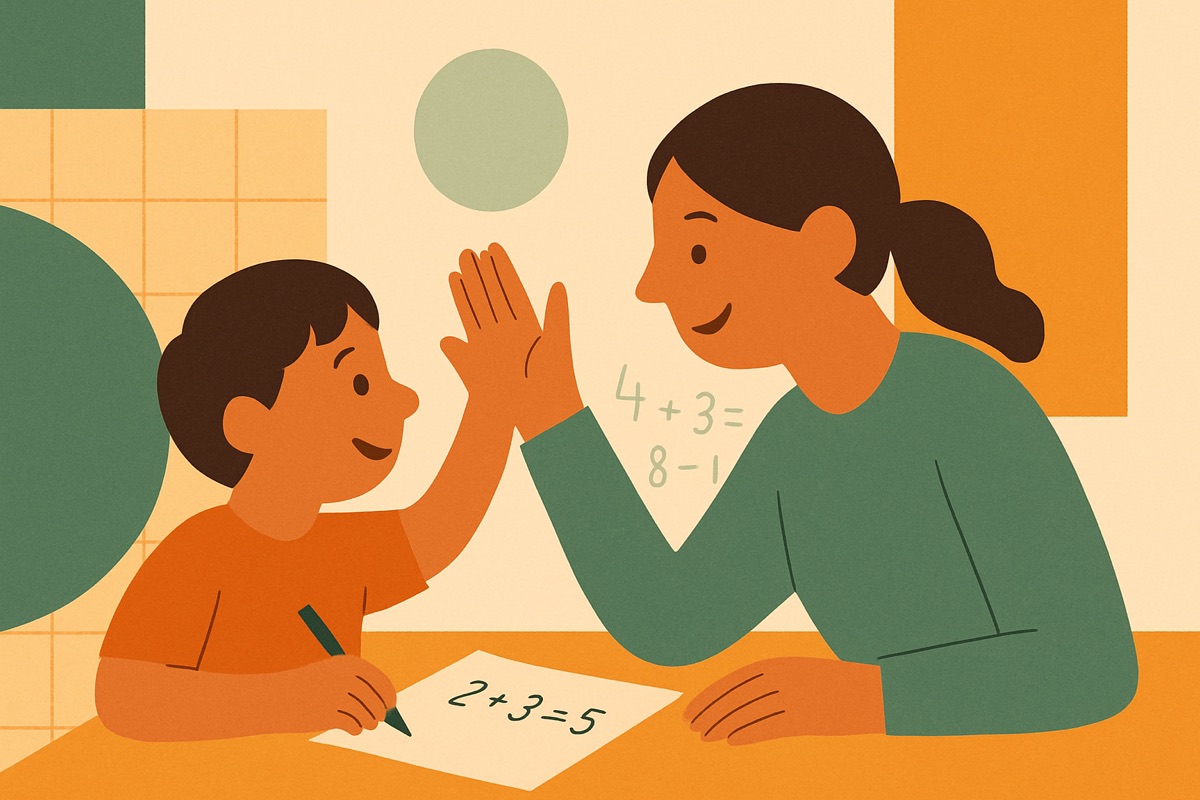
Building a Love of Math in a Kid Who Only Loves Screens
If your kid lights up for a tablet and shuts down for math, the fix isn't more math. It's borrowing what the screen does right and pointing it somewhere real.
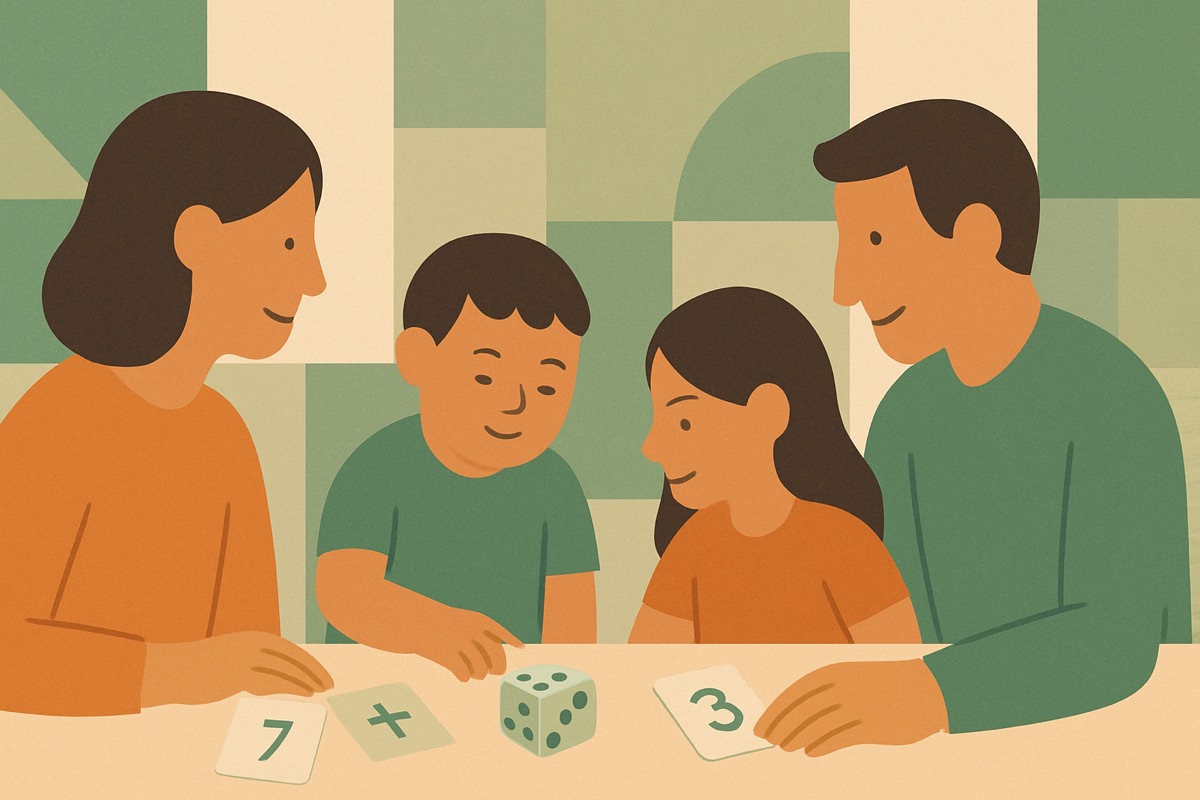
Printable Math Games for Kids Who Say They Hate Worksheets
The word worksheet can end a math session before it starts. Here are printable math games that build the same skills without the groan, sorted by what they teach.
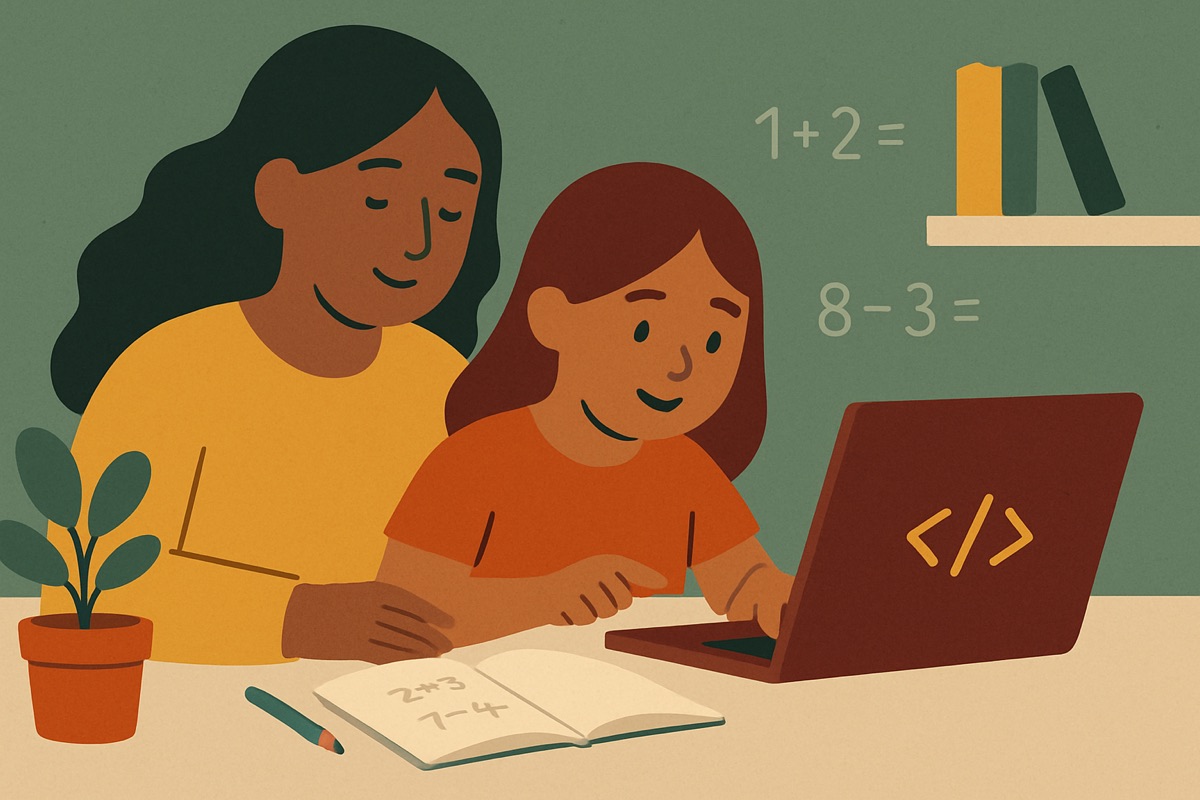
Coding for Kids Without the Hype: What's Real at the Elementary Level
I write software for a living. Here's what coding for kids at the elementary level actually teaches, and what's just an expensive way to buy peace of mind.
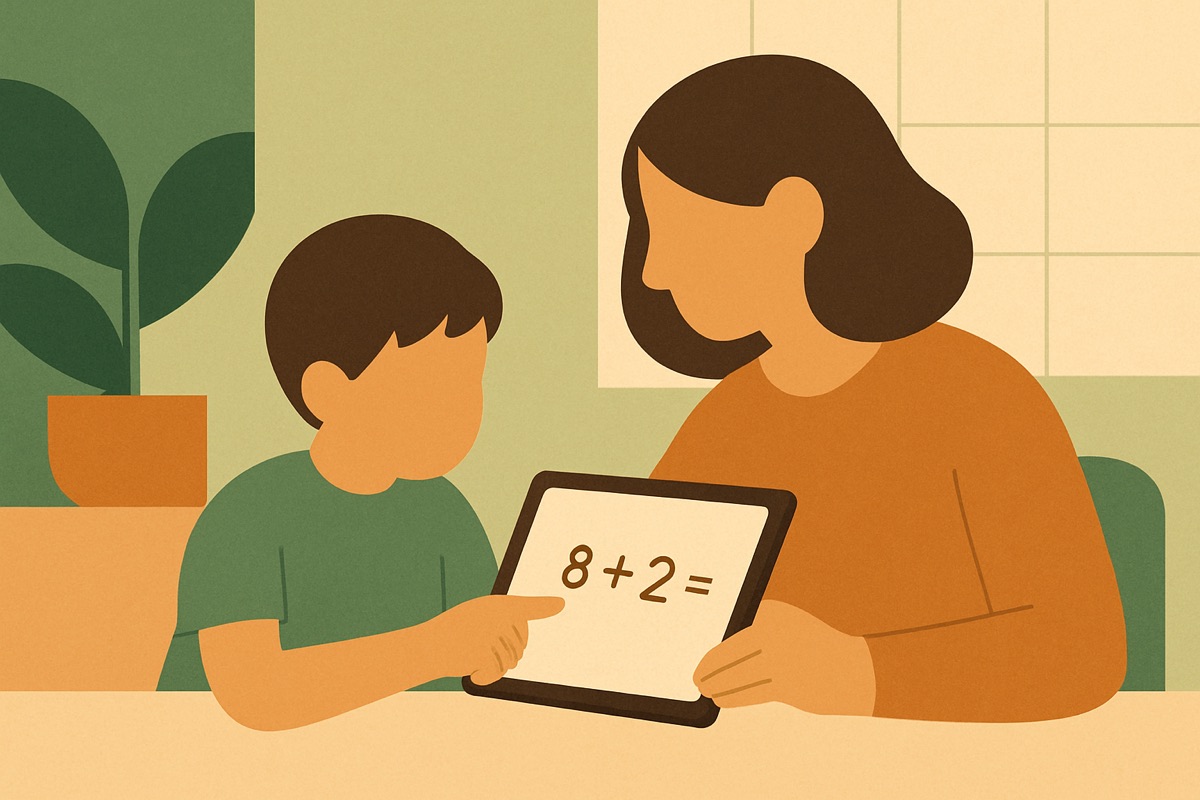
Is Educational Screen Time Really Educational? How to Vet an App in Five Minutes
The word 'educational' on an app means nothing. Here is the five-minute test I use to tell a real learning app from a game wearing a school costume.

Word Problems: Why 'Look for the Keyword' Backfires
The keyword trick tells kids 'altogether means add.' It works until it doesn't, and then it wrecks their confidence. Here is what to teach instead.

How Many Minutes of Fact Practice a Day Actually Helps
Parents ask me how long their kid should drill math facts every day. The honest answer is short, and the length matters less than what happens in those minutes.
Building a Math Wins Board: A Home Ritual for Confidence
A little corkboard by the fridge changed how one of my students felt about math. Here is how to build a wins board that tracks progress, not perfection.
Regrouping and Borrowing: Where Kids Get Stuck and How To Unstick Them
Regrouping is where a lot of kids hit their first real math wall. Here's exactly where they get stuck and how to walk them back through it.
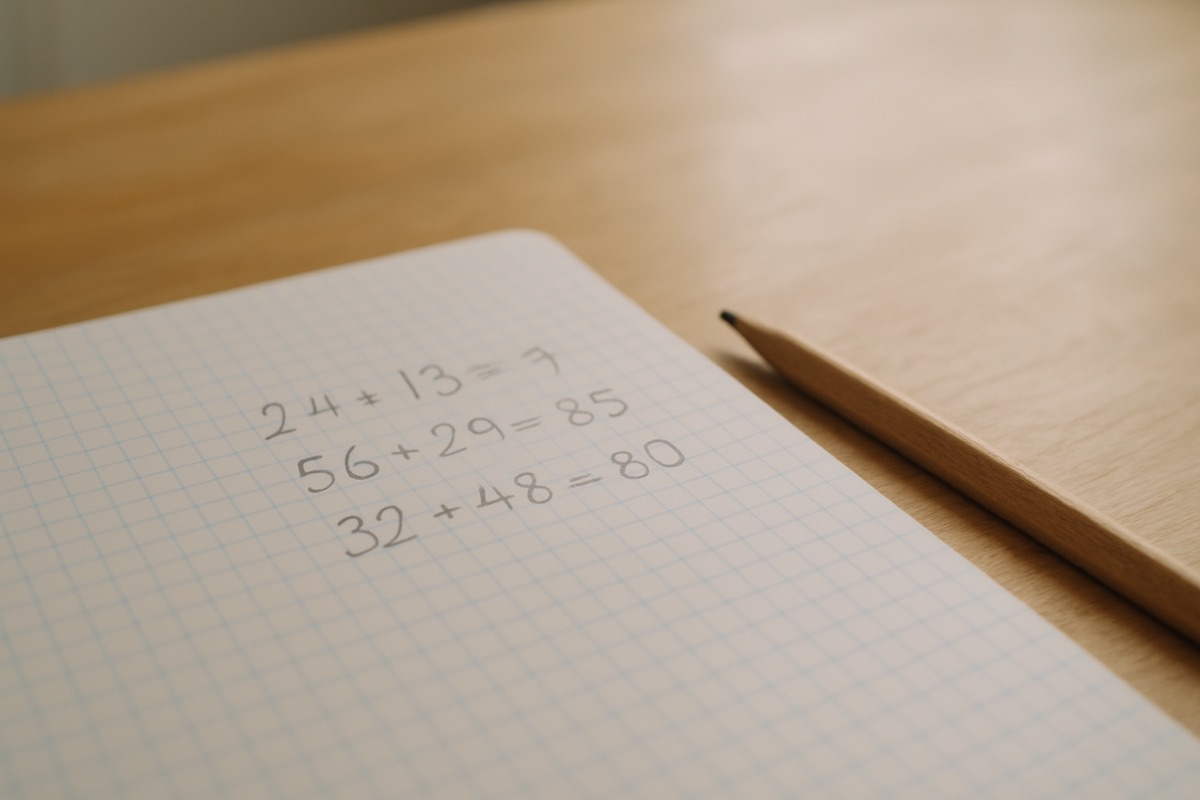
The Difference Between an App That Teaches and One That Just Quizzes
Most math apps just check answers and call it teaching. Here's how to tell whether an app is actually teaching your kid or only testing them.
Allowance and Money Math: Teaching Value Without a Lecture
The math kids remember is the math with something on the line. Here's how allowance teaches value and arithmetic at once, no speech required.

How to Tell If Your Kid Is Behind in Math or Just Having a Rough Week
One bad math test doesn't mean your kid is behind. Here's how to tell a real gap from a rough week, and what actually deserves your attention.
Is My Child Behind in Math? How a Teacher Actually Decides
Behind compared to what? A teacher explains how she actually decides if a child is behind in math, and why one bad report card almost never is.

How to Tell If Your Kid's Math Practice Is Actually Working
Twenty minutes a night of the wrong practice can go nowhere. Here is how to tell if math practice is working, and what real progress looks like.
The One Question That Unsticks Almost Any Homework Problem
You do not need to know the math to help a child stuck on a math problem. You need one question, and the patience to wait for the answer.
How to Celebrate Effort When the Answer Is Still Wrong
A wrong answer is not a failure if the thinking underneath it was real. Here is how to honor the work without pretending 6 times 7 equals 48.

Learning Through Games Done Right: The Difference Between Fun and Junk
Not every game with a cartoon and a math problem is teaching anything. Here is how to tell learning through games apart from busywork in a costume.
Teaching Kids to Type: When to Start and How to Make It Not Boring
When to start teaching kids to type, why the hunt-and-peck habit is worth breaking early, and how to make the practice something they'll actually keep doing.
Screen Time by Age: A Simple Table for Grades 1 Through 5
A straight screen time by age chart for grades 1 to 5, plus the honest truth about why the number on the timer isn't the whole story.
Rounding Numbers Without the 'Look at the Neighbor' Chant
The rhymes and chants get kids rounding for a week and forgetting it by the test. Here is how to teach rounding numbers so it actually sticks.
Addition Facts First: Why Subtraction Gets Easier When You Flip It
Subtraction feels like a whole new mountain to kids. It isn't. If they know their addition facts, they already know subtraction. They just need to flip it.

Mistakes Grow the Brain: How To Actually Convince Your Kid of It
Kids don't believe mistakes help them learn just because a poster says so. Here's how to make it real enough that they stop erasing everything in a panic.

The Word Problem Wall: Why Reading Trips Kids Up in Math
Your kid can add and subtract fine, then hits a word problem and shuts down. The problem usually isn't the math. It's the reading, and that's fixable.

Worksheets or Apps: When Paper Still Wins for Elementary Math
I build a math app for a living and my own kids, and I still hand them a paper worksheet for certain things. Here is exactly when paper wins.
Grocery Store Math: Turning a Shopping Trip Into a Lesson
The grocery store is one of the best math classrooms you've got, and it's free. Here's how to turn an ordinary shopping trip into real practice your kid won't resist.