All articles
Every guide in the Math Prizes resource hub, newest first. Page 13 of 16.
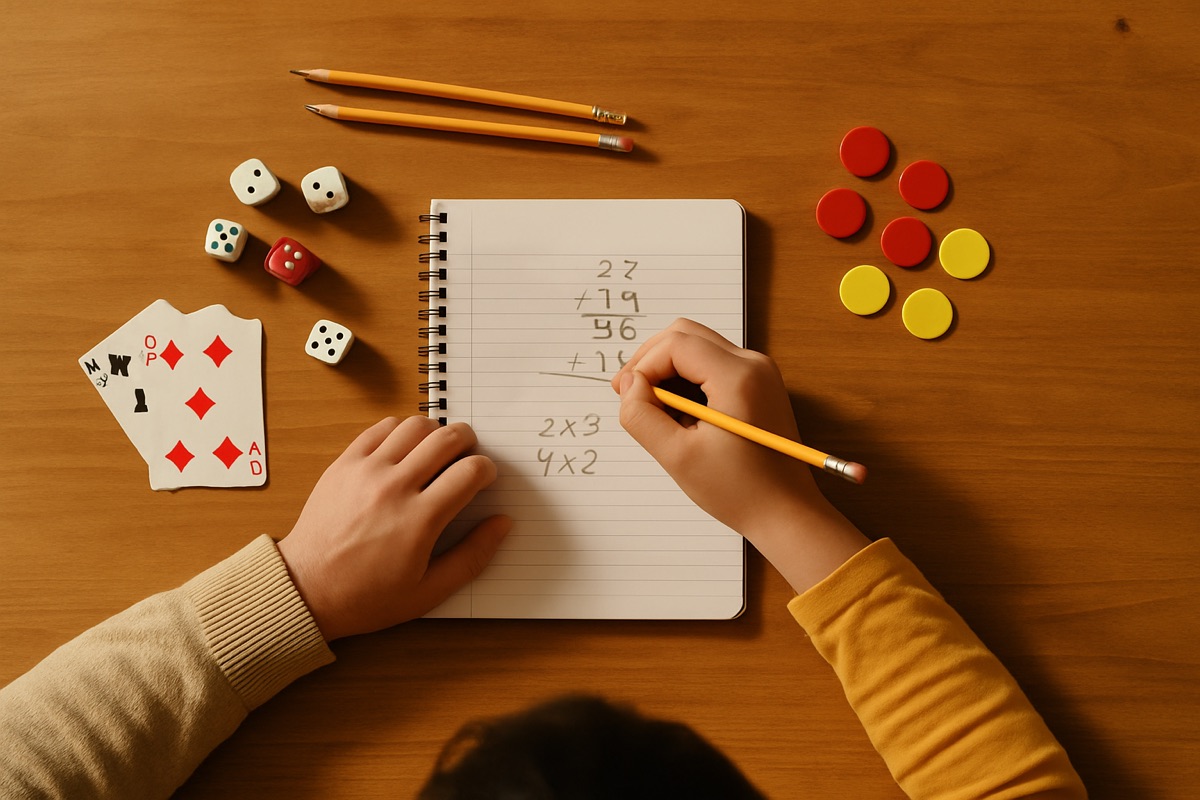
Tutor, App, or You: How to Decide Who Helps With Math
A tutor, an app, or your own kitchen table? The right help depends on what's actually wrong. Here's how a teacher decides who should step in with math.
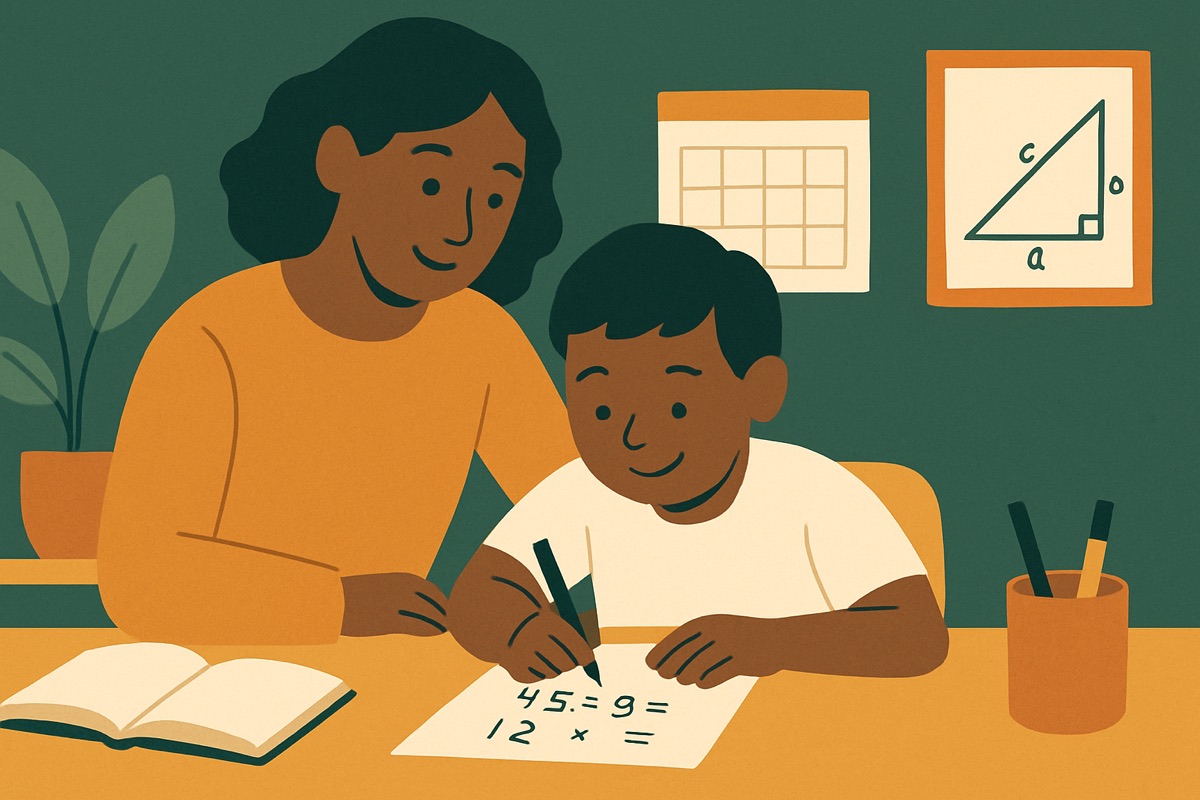
Fifth Grade Math: The Last Stop Before Middle School Math
Fifth grade is where the math either holds together or quietly falls apart before middle school. Here are the skills that actually carry weight in sixth grade and beyond.
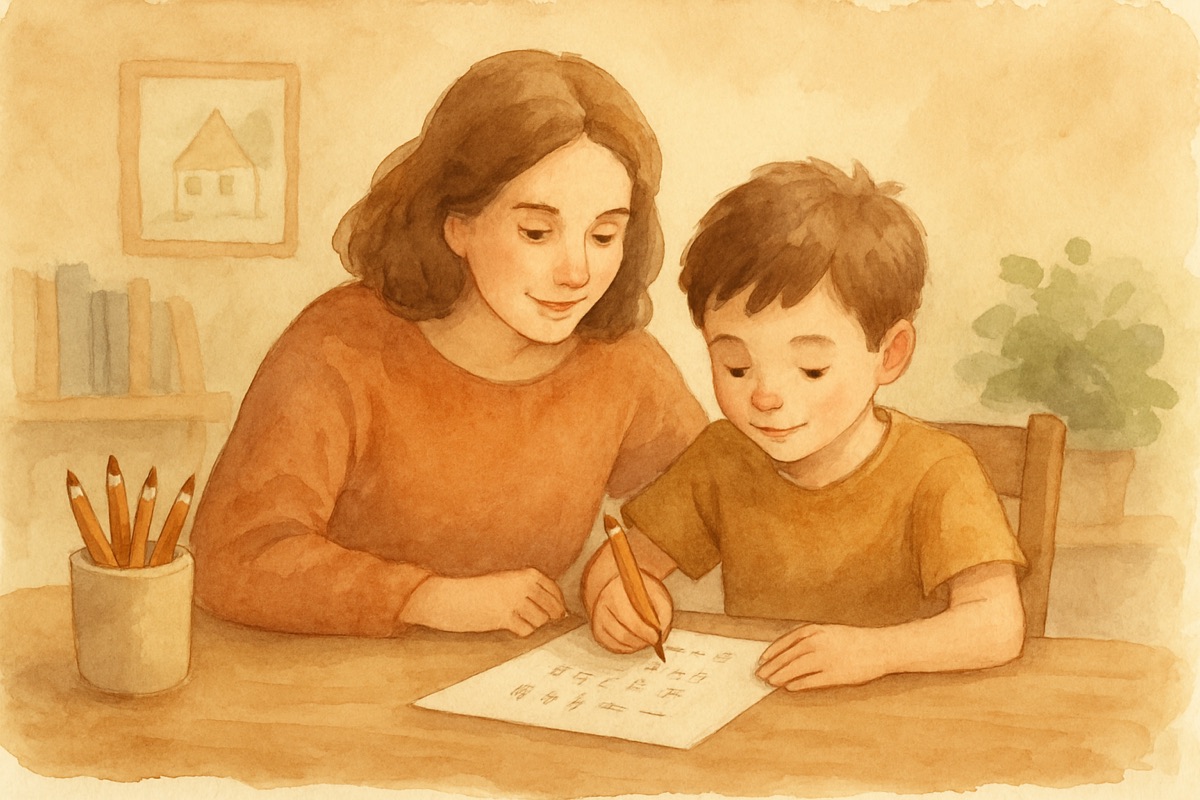
The Case Against Math Grinding: More Problems Is Not Better
A fat stack of worksheets looks like progress, but it usually isn't. Here's why too many math problems can quietly make a kid worse at math, and what works better.

How to Check Math Homework When You Are Not Sure of the Answer Either
You do not need to remember how to divide fractions to help. Here is how to check your kid's math homework when you are lost too.

When Bribes Backfire: A Teacher's Honest Take on Paying Kids for Grades
Twenty dollars for an A sounds fair. Here is what actually happens to a kid's motivation when the money shows up, and what works better.

Play Based Learning at Home: How Playing Math Beats Drilling It
A kid who counts money in a pretend store learns more than one who fills in a worksheet. Here is why play based math sticks, and how to do it.

Digital Literacy for a Second Grader: The Five Things Worth Teaching First
Your seven-year-old does not need to code. But there are five small digital habits worth teaching now, before the harder years show up.
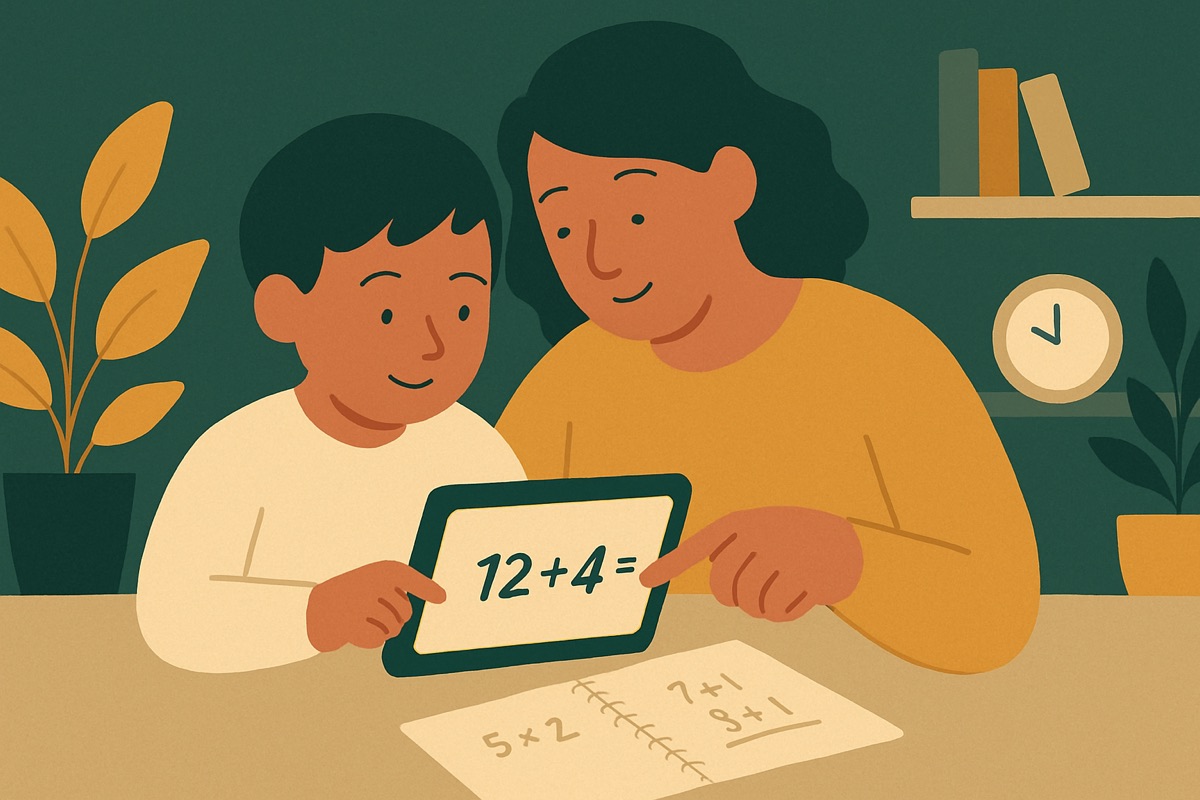
How to Set Screen Time Limits That Your Kid Actually Respects
The screen time fight isn't really about minutes. It's about how the limit gets set. Here is what makes a limit your kid respects instead of games.
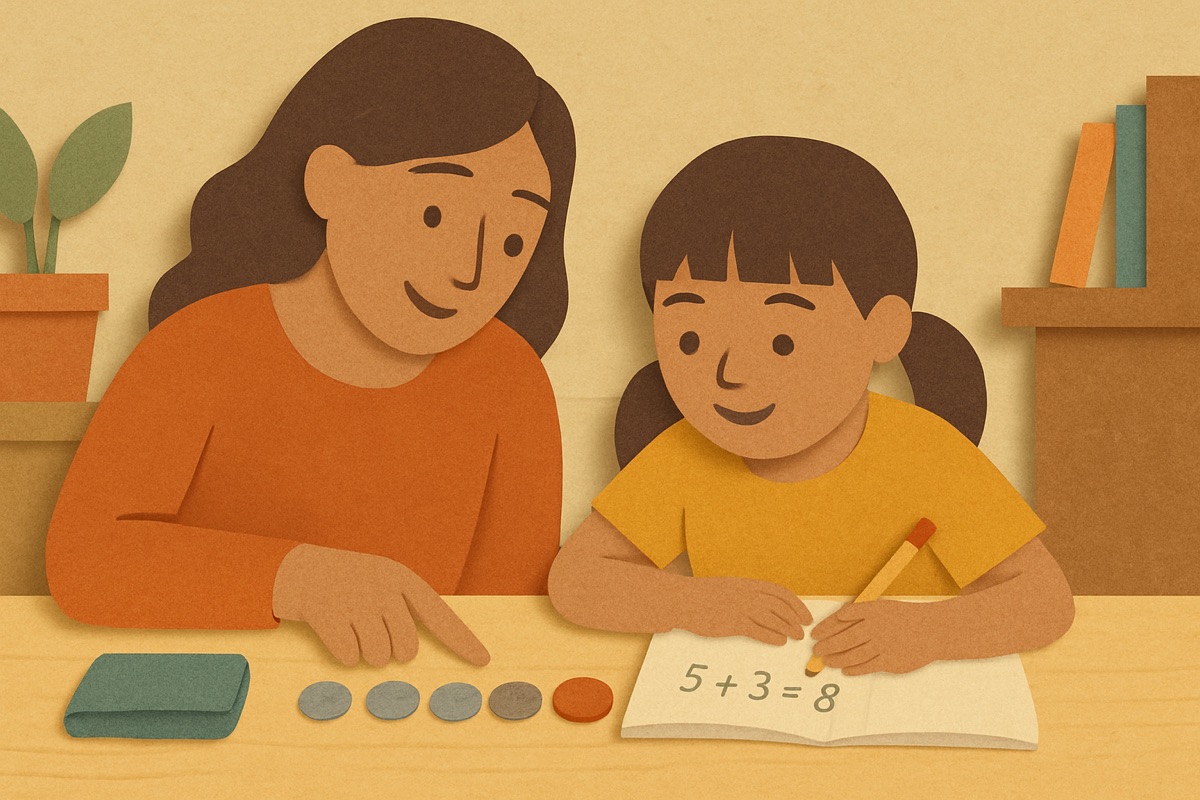
Counting Coins and Making Change: Money Math That Sticks
Counting coins is where a lot of kids first meet real-world math, and it trips them up for one specific reason. Here is how to fix it.
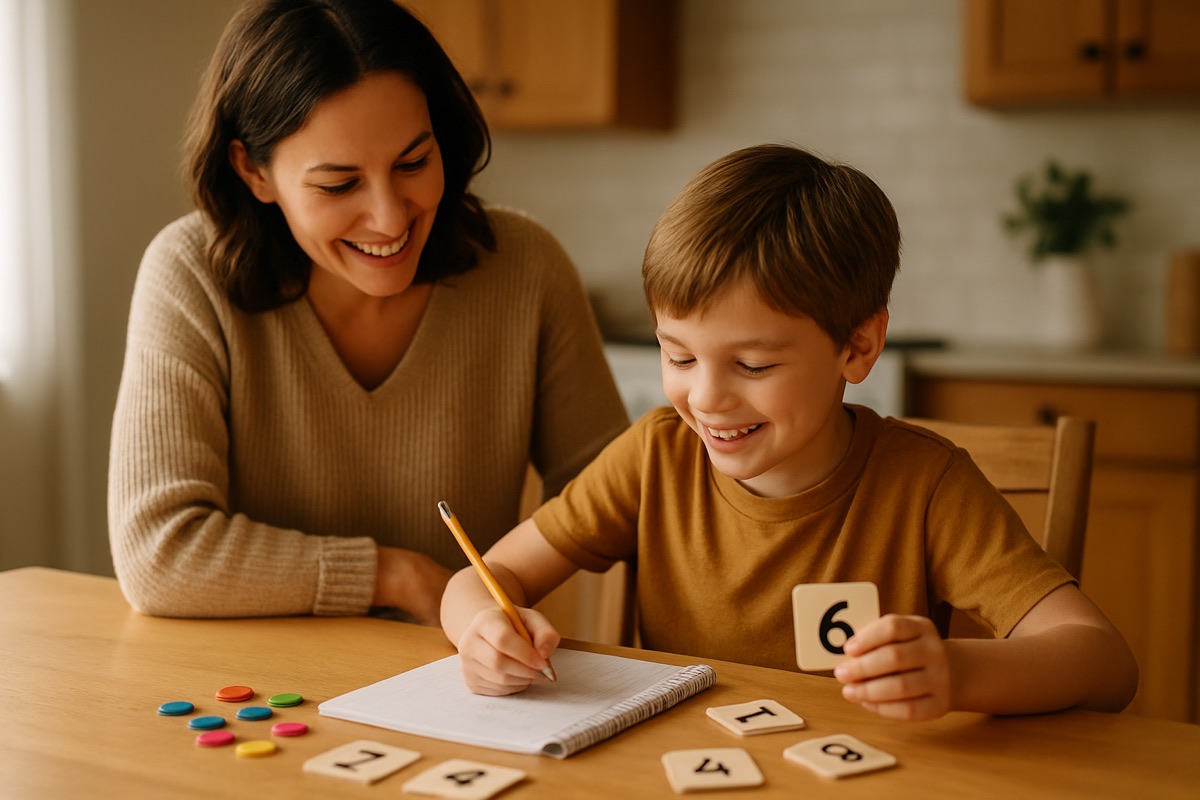
Skip Counting Is the Warm-Up Your Child Needs Before Multiplication
Before the times tables become a wall of facts to memorize, skip counting turns them into a rhythm your child already half knows.
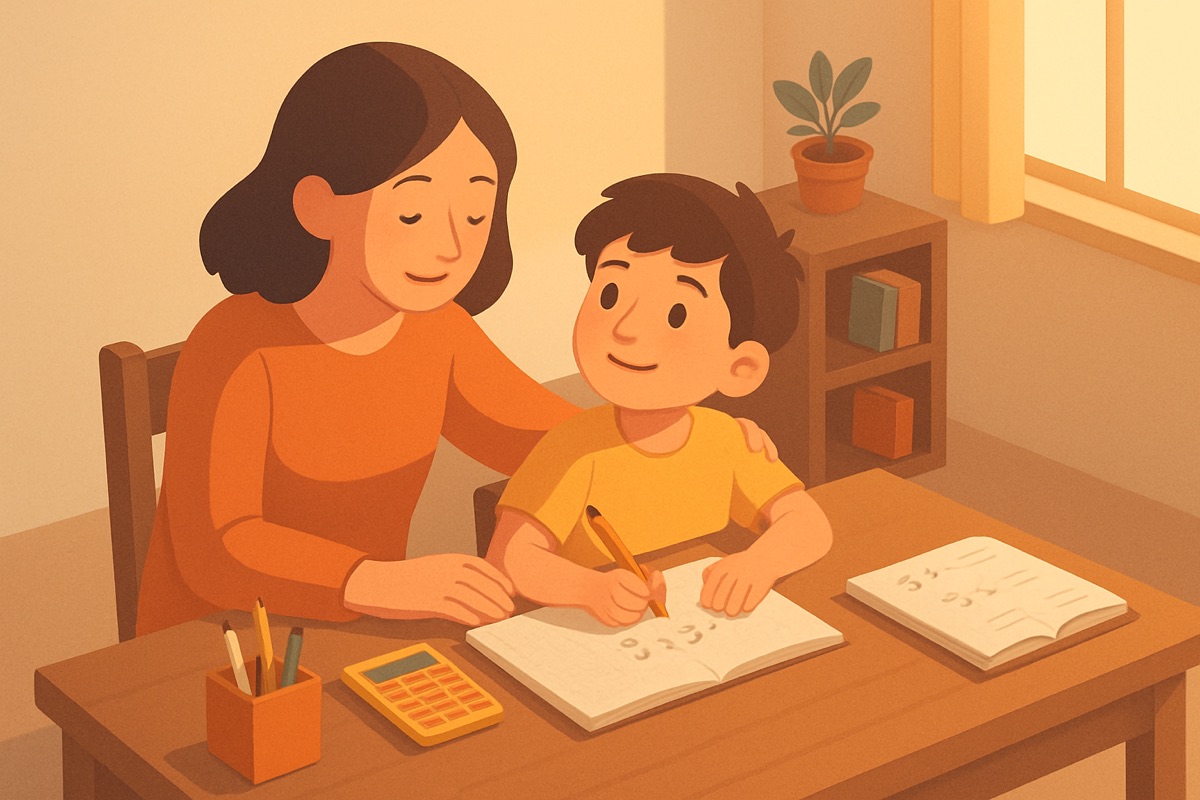
Praise Effort, Not Smarts: The Small Language Shift That Builds Math Confidence
The way you praise a right answer changes what your child does with the next wrong one. Here is the small shift that keeps them working.

How To Help a Child Who Says 'I Don't Get It' About Everything in Math
When a kid says I don't get it about every single problem, the words usually mean something other than what they say. Here is how to find out.
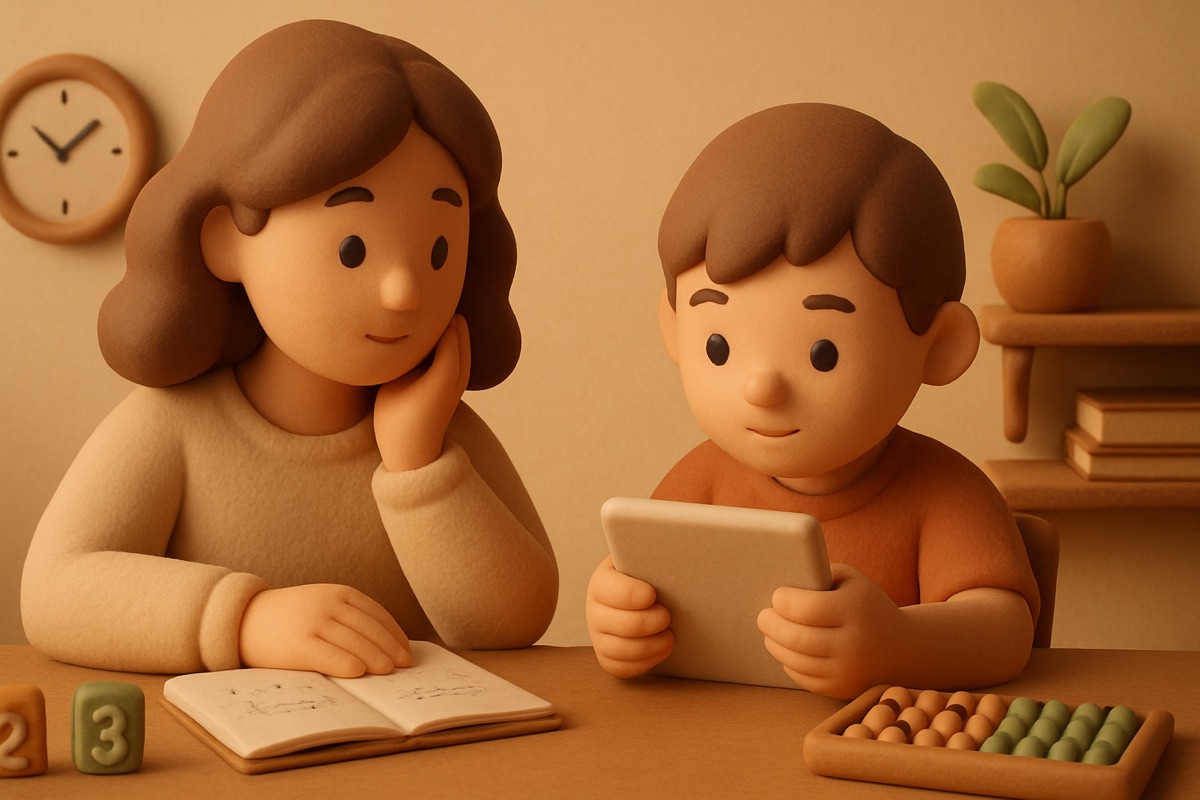
How to Spot a Junk Math App in Under Five Minutes
Most math apps in the store are games with a thin coat of arithmetic on top. Here is how to tell in five minutes, before your kid gets hooked.

Cooking Is a Math Class: Fractions, Doubling, and Time in the Kitchen
Halving a recipe, doubling the cookies, and getting dinner out on time are all math, and kids will do it without complaining once.
The One Question to Ask at Every Parent Teacher Conference About Math
Most parents ask how their kid is doing in math and get a pleasant nothing. Here is the single question that pulls out a real, useful answer.
Fourth Grade Math Skills: The Year Multi-Digit Everything Arrives
Fourth grade is the year the numbers get big and the fractions get serious. Here is what your kid will face and where they tend to get stuck.
Keeping Math Sharp Over Summer Without a Workbook Fight
You can keep your kid's math sharp all summer without buying a single workbook or fighting about it. Here is what actually holds skills in place.
Have Your Kid Teach You the Problem: The Best Homework Trick I Know
The fastest way to find where your kid is stuck on a math problem is to stop explaining and ask them to teach it to you instead.
Reward Charts for Math Practice: What Works After the First Two Weeks
When interest in a math practice reward chart changes, review the goal and payoff together. An illustrative family example and practical options for adjusting the plan.

No Prep Math Games You Can Start in the Next 60 Seconds
No printing, no dice hunt, no setup. Just math games you can start with your voice or a deck of cards while the pasta boils.
Should You Buy the Kids Edition Tablet or a Regular One?
The kids edition costs more and does less. Here's what you're actually paying for, and when the regular tablet plus a case is the smarter buy.

The Meltdown After the Tablet Goes Off: What's Actually Happening
The screaming when the tablet turns off feels like defiance, but something specific is going on. Understanding it changes how you handle the handoff.
Telling Time on an Analog Clock in a Digital World
Every screen in your house shows the time in numbers, so why bother with hands and a face? Here's the plain case for it, and how to teach it.
The 6 Multiplication Facts Almost Every Kid Gets Stuck On
After years of flashcards, the same six multiplication facts keep tripping kids up. Here they are, and the specific trick for each one.