All articles
Every guide in the Math Prizes resource hub, newest first. Page 11 of 16.

Decimals Make Sense Once Kids See Them as Money
A kid who's baffled by 0.25 knows exactly what a quarter is. Money is the bridge, and most curricula walk right past it.
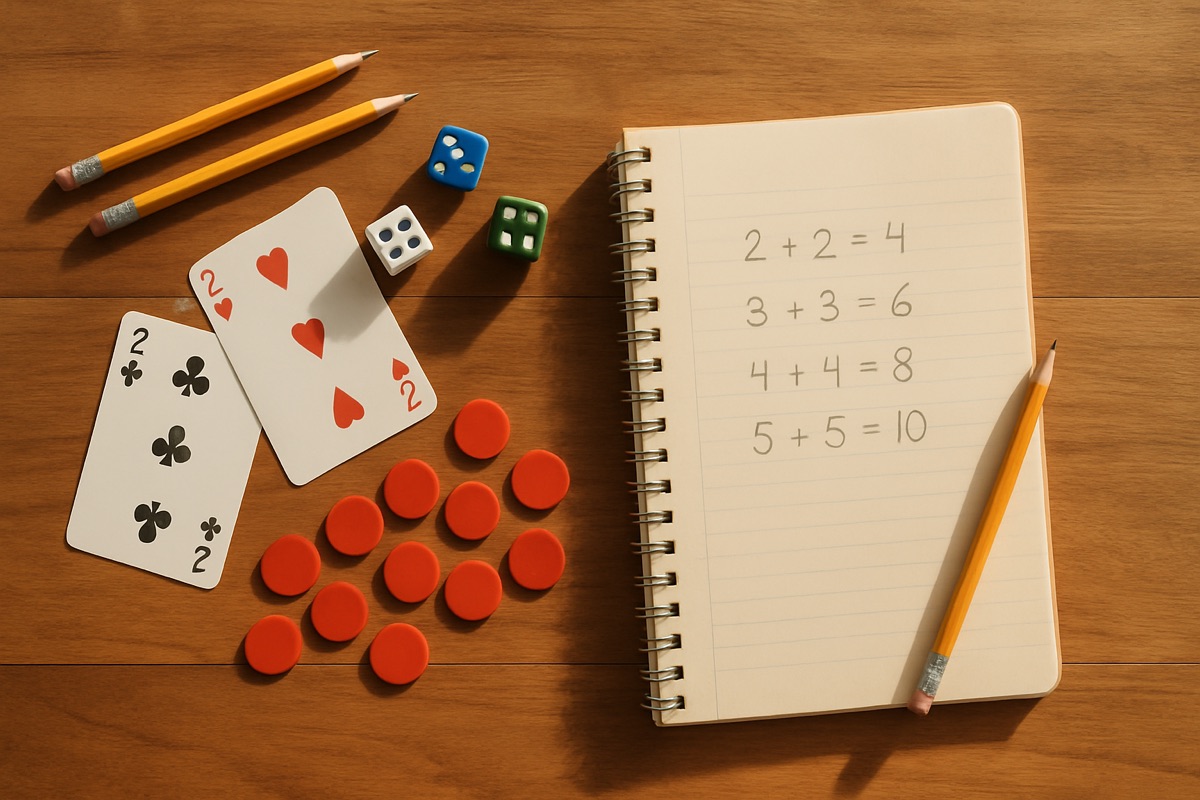
Doubles and Near-Doubles: The Fastest Addition Facts to Lock In First
Most kids already know 4 plus 4. Teach them to lean on that, and half the addition table stops being scary overnight.
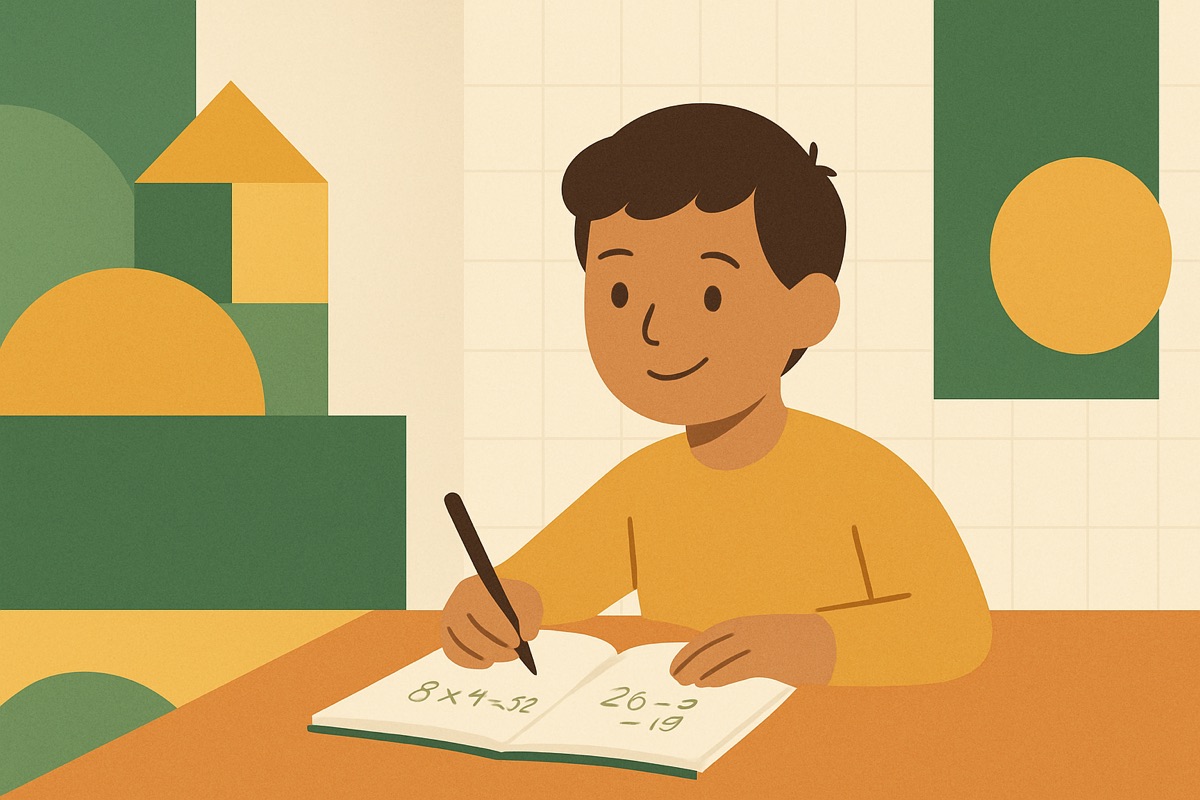
The Speed Trap: Why Fast Math Doesn't Mean Smart Math
A kid who freezes on a timed test isn't bad at math. Speed and understanding are two different things, and we keep confusing them.

Could It Be Dyscalculia? A Parent's Plain Guide to the Signs
A calm, plain-language walk through the real dyscalculia signs in children, what they mean, and the practical steps to take before you panic or wait too long.

Adaptive Difficulty: The One App Feature Worth Paying For
The one math app feature that actually earns its subscription, how to tell the real thing from marketing, and the trick most apps use to fake it.
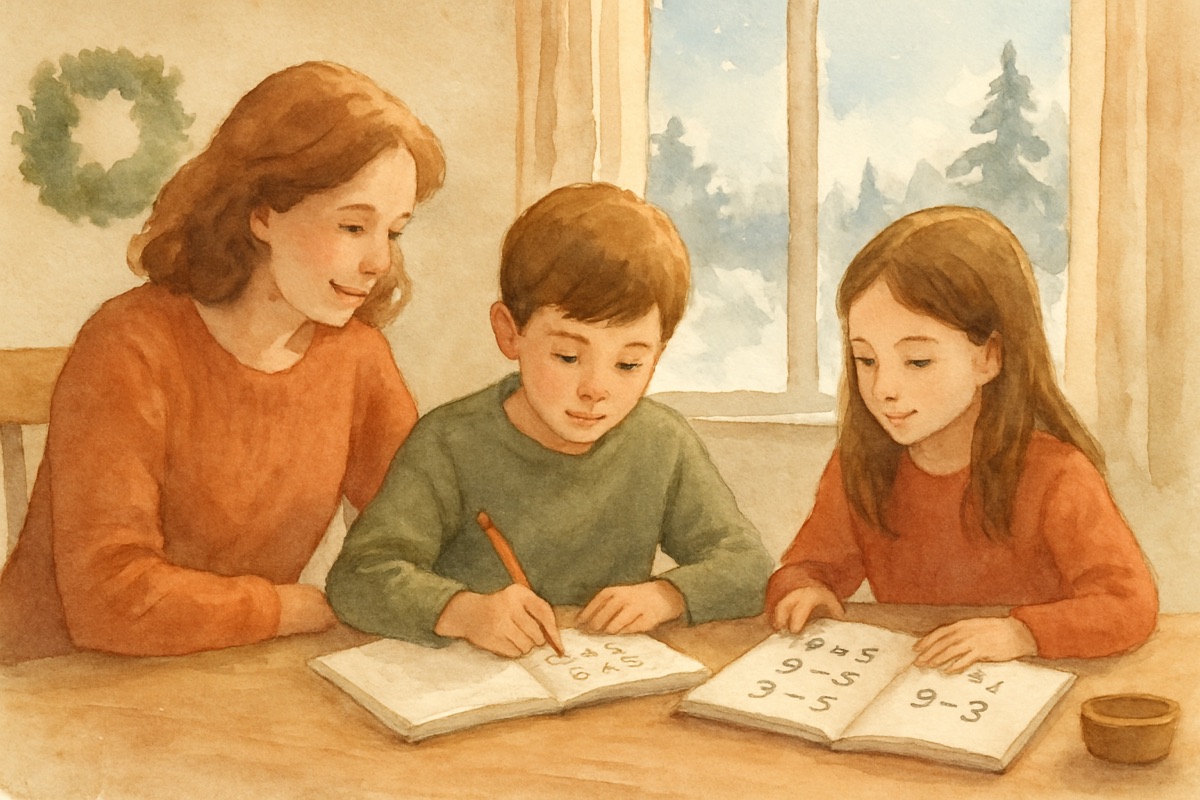
Keeping Math Alive Over Winter Break Without Ruining the Holidays
How to keep math skills from sliding over the long winter break without turning December into a second classroom or picking a fight over worksheets.
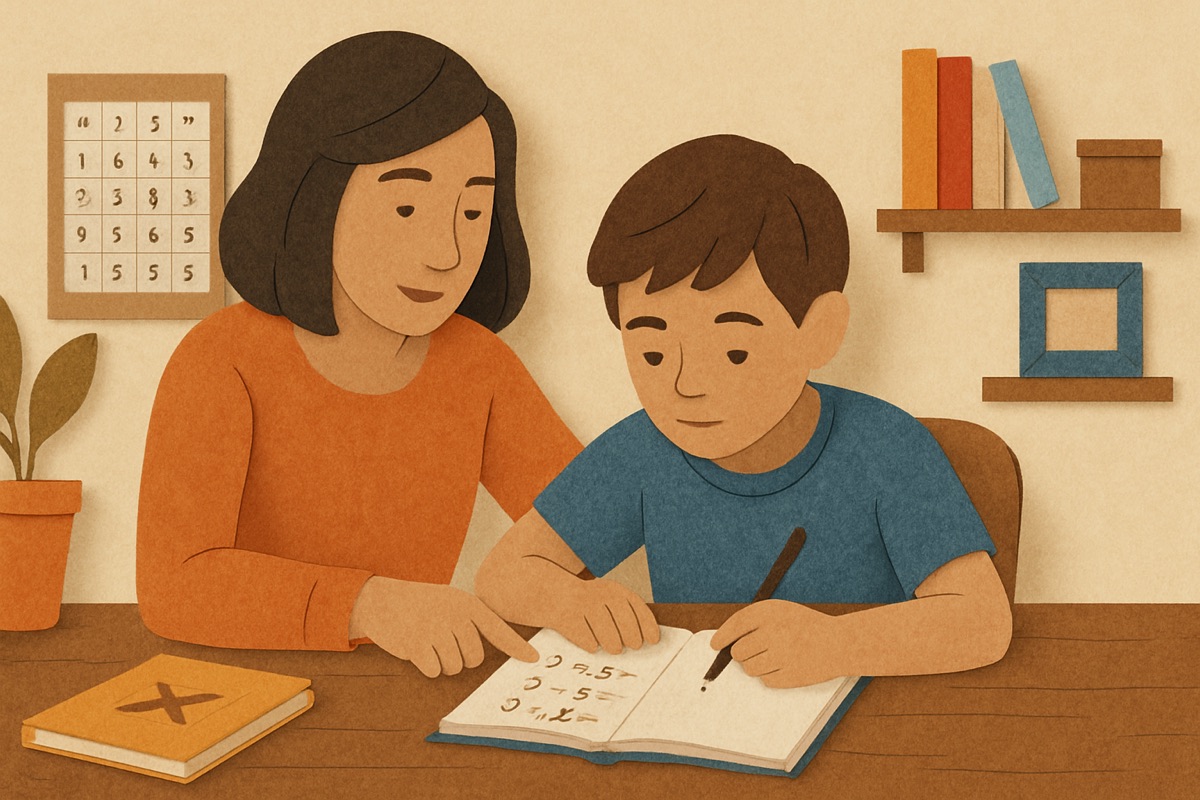
Could It Be Dyscalculia? What I Look for as a Teacher
The specific things I watch for in the classroom before I ever say the word dyscalculia, and the difference between a rough patch and a real learning difference.
The Jump From First to Second Grade Math, and How to Smooth It
Second grade math asks for more than first grade let on. Here is what changes in the first to second grade math transition, and how to get ready.
The Kitchen Is a Math Classroom: Fractions Kids Can Taste
Measuring cups do what worksheets can't. Here is how cooking math for kids makes fractions real, one doubled batch of pancakes at a time.
When Math Homework Is Too Much: How to Talk to the Teacher
If math homework is eating your whole evening, you can say so. Here is how to talk to the teacher about too much math homework and get a real fix.
How to Get a Reluctant Kid to Practice Math for 10 Minutes a Day
Ten honest minutes beats an hour of arguing. Here is how to get kids to practice math at home without the nightly standoff at the table.
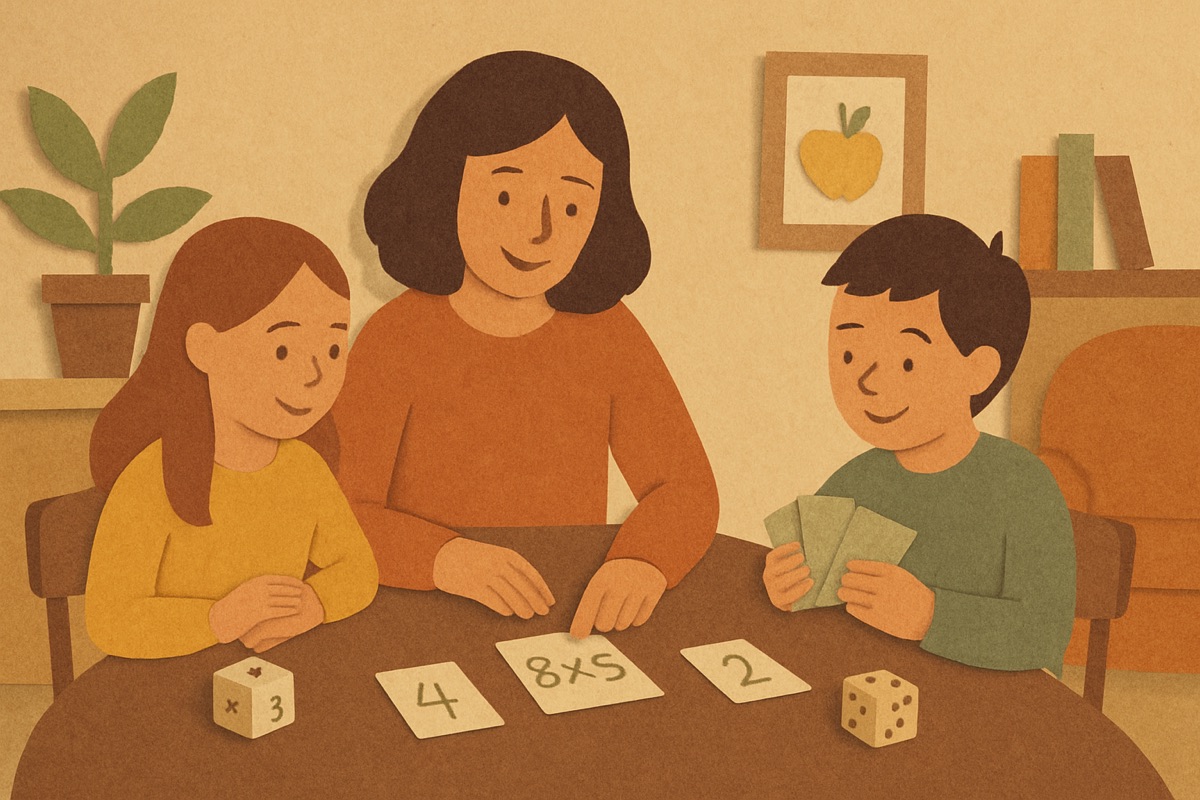
Multiplication Games That Make Times Tables Stick
Flashcards get old fast. These multiplication games get kids to say the facts hundreds of times without noticing they're practicing.
Dark Patterns in Kids Apps: How to Spot the Tricks Before Your Kid Does
Most of the tricks in kids apps aren't accidents. They're designed, tested, and shipped on purpose. Here's how to recognize them.
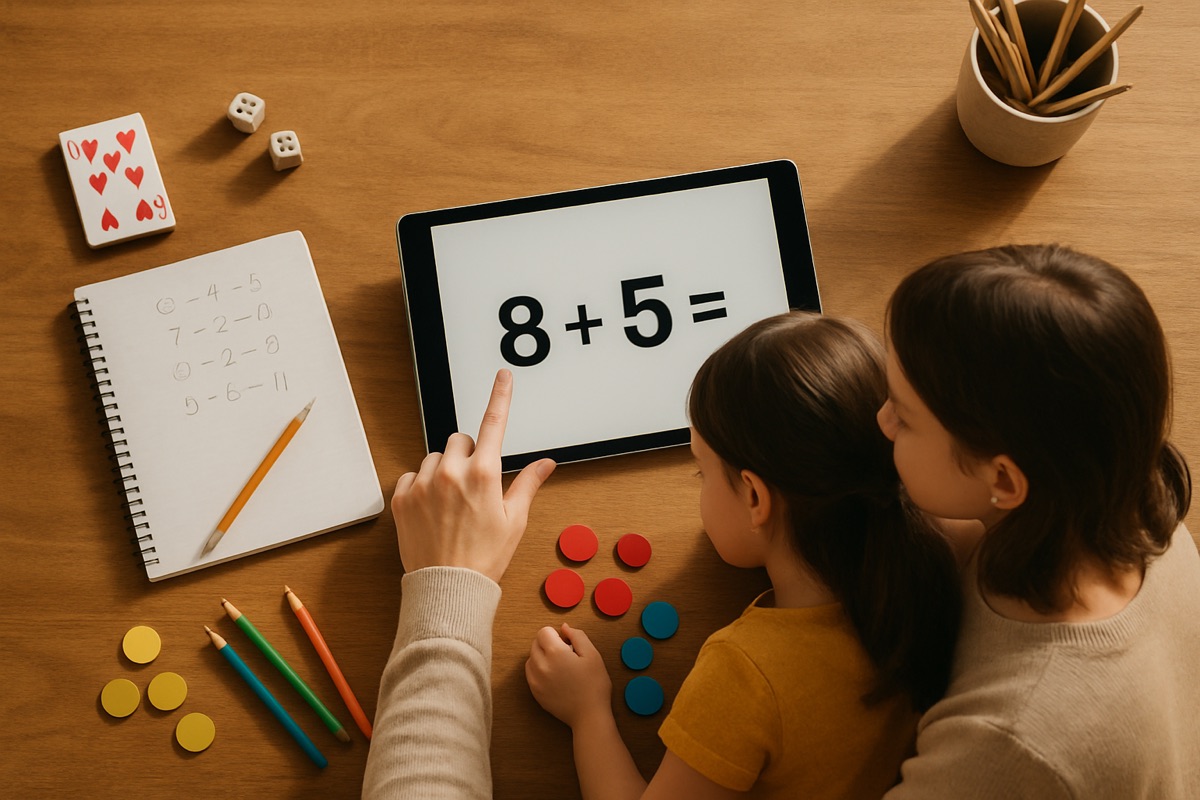
The Difference Between a Kid Who Plays Games and a Kid Who Grinds Them
One kid is exploring and laughing. The other is doing the same tap 400 times with a flat face. Same screen, very different thing.

Reading Is a Math Skill: Kids Who Can Calculate but Can't Decode the Problem
Your kid can rattle off 8 times 7 but stalls on the word problem right below it. Usually that gap is about reading, not numbers.
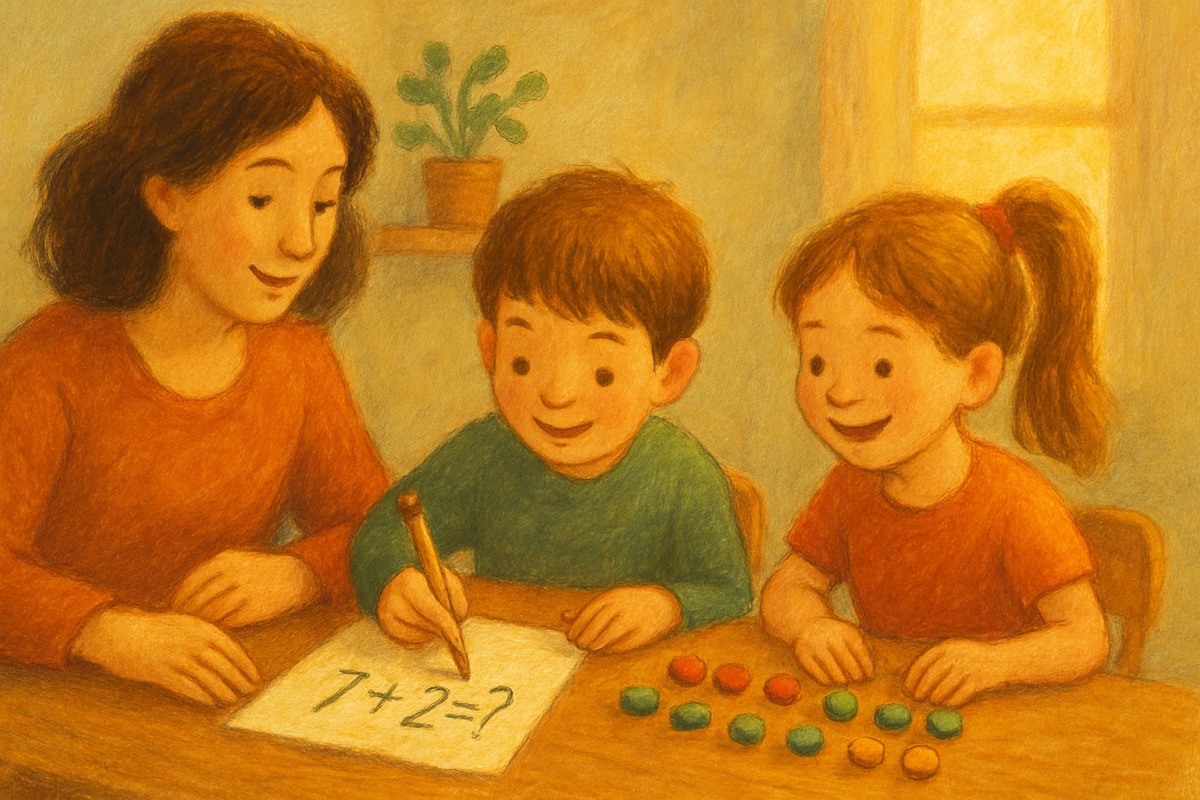
Making Ten: The Addition Strategy That Beats Rote Flashcards
8+5 is hard. 10+3 is easy. The make a ten strategy turns one into the other, and it builds real number sense that flashcards never touch.

Why Your Daughter Might Be Absorbing 'Math Is for Boys' (and How To Undo It)
By second grade, plenty of girls have quietly decided math is not their thing. Here is where that idea comes from and what actually helps undo it.
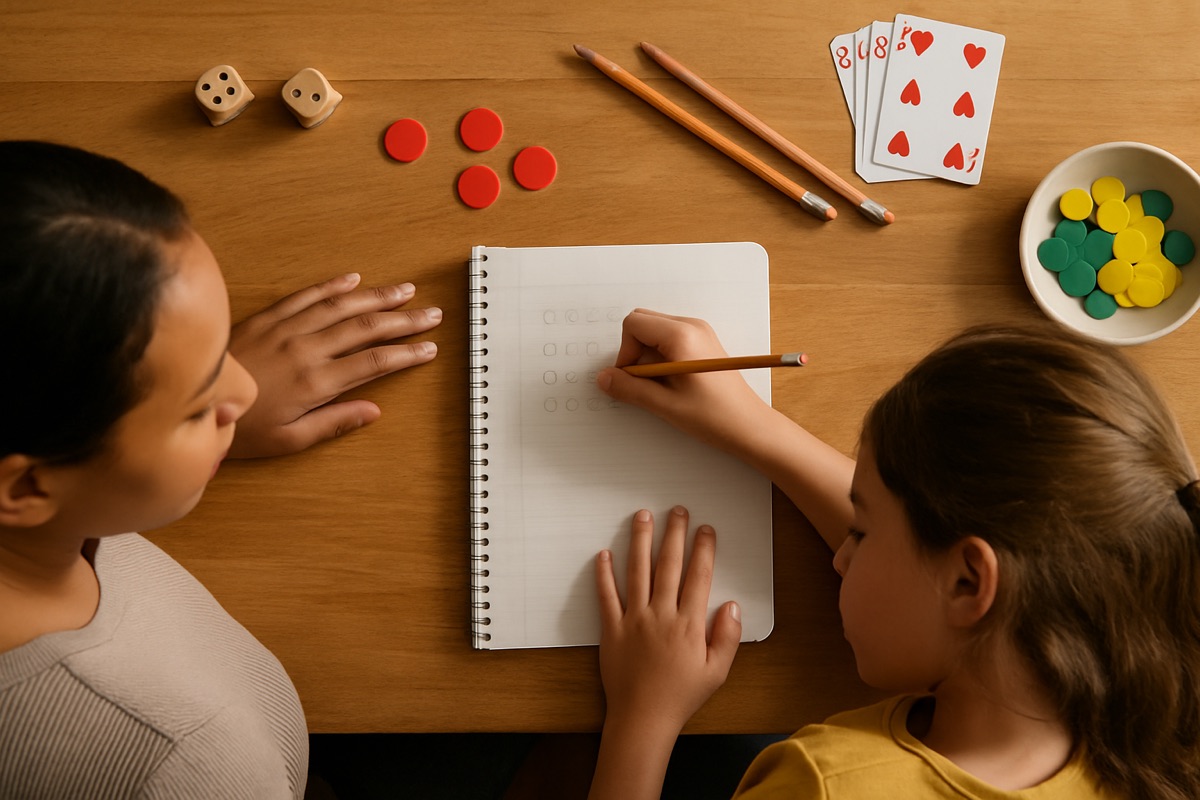
Times Tables Are Not Sticking: A Gentler Path to Multiplication Fluency
Drilling the same flashcards harder rarely fixes stuck times tables. Here is the gentler, faster path I use with kids who feel like they will never get it.

Reading the Reviews: How to Read App Store Ratings Without Getting Fooled
A 4.8-star math app can still be junk for your kid. Here is how the rating machinery actually works, and how to read reviews without getting played.
Math Road Trip Games That Beat Are We There Yet
The backseat is a captive audience with nothing to do, which happens to be the perfect condition for math games nobody realizes are math.
IEPs, 504s, and Math: What to Actually Ask For
You're allowed to ask for specific things in that IEP meeting, and knowing which ones actually help math is half the battle.
My Child Is Ahead in Math. Now What Do I Do at Home?
When your kid finishes the math worksheet in two minutes and asks for more, giving them more of the same is exactly the wrong move.
Math in the Grocery Store: Practice That Does Not Feel Like Practice
The cereal aisle is a math workbook in disguise, and your kid will do the problems without ever knowing they were problems.
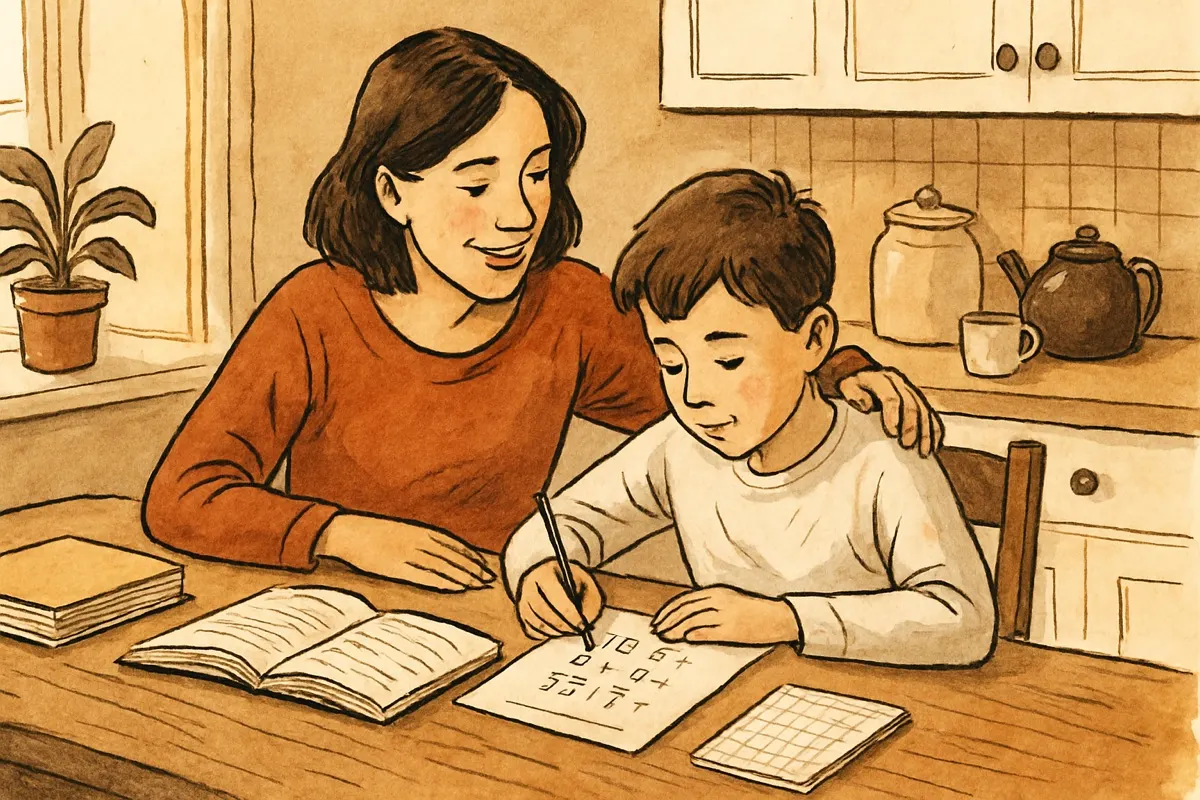
A Simple After-School Homework Routine That Sticks
The routines that last are the boring, simple ones. Here's an after-school homework routine you can actually keep, plus how to fix it when it slips.