How to Get a Reluctant Kid to Practice Math for 10 Minutes a Day
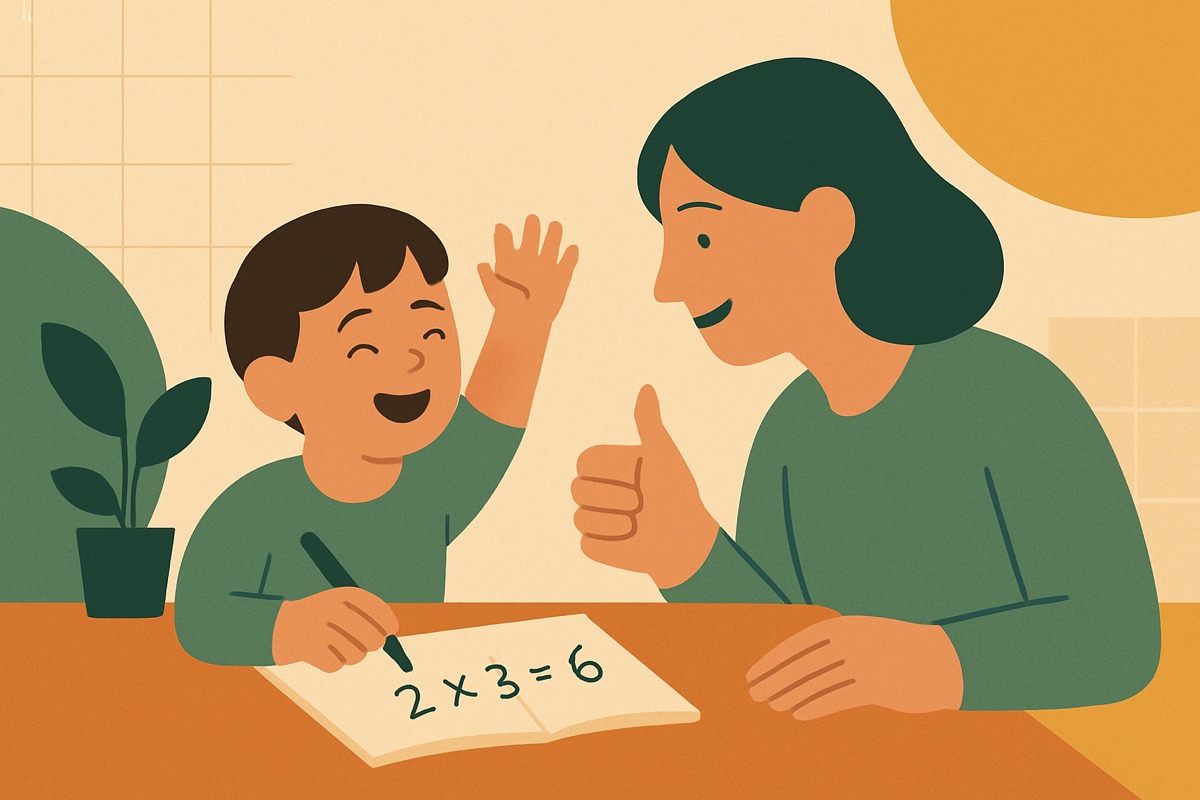
There is a specific sound a second grader makes when you say the word "worksheet." It is halfway between a groan and a slide out of the chair. I heard it for years in my classroom, and then I heard it at my own kitchen table. The goal here is small and it is real. Ten minutes a day. That's it. If you want to get kids to practice math at home without a fight every night, the first thing to do is stop trying to win the fight and start making the practice smaller than the resistance.
Ten minutes sounds like nothing. That's the point. A kid who dreads math can survive ten minutes. A kid who dreads math will absolutely dig in against forty-five. When you shrink the ask below the level of the dread, you get compliance, and compliance repeated is a habit.
Why the reluctance is usually about feeling dumb, not lazy
Almost every "lazy" kid I taught was actually a kid protecting themselves. Practice feels bad because being wrong feels bad, and math is the one subject where wrong is right there in red, over and over. So the kid avoids. Avoiding works, in the short term. The trouble goes away for tonight.
If you push harder, you confirm the thing they already suspect, which is that math is a battle they lose. So the move is not more pressure. The move is to make the ten minutes winnable. Start below their actual level for the first two or three days on purpose. Let them feel fast and correct. Confidence is the fuel. You are not being soft, you are lowering the entry so they'll walk through the door.
Pick a time and a spot, then defend both
Reluctant kids do best when the practice is boringly predictable. If math happens at a random moment when you happen to remember, every session becomes a negotiation. If it happens right after the snack, at the same table, every day, there's nothing to argue about. It's just what happens now, like brushing teeth.
A few things that tend to hold up:
- Right after school is usually a trap. They're fried. Give them a real break first, a snack and some running around, then practice.
- Before screen time works well, because the screen is a natural finish line they actually want to reach.
- Ten minutes means you set a timer they can see. When it dings, you stop, even mid-problem. Keeping your word here is what makes them trust the deal.
The visible timer matters more than people expect. When a kid can watch the ten minutes drain, the end feels real and close. It turns "math forever" into "math until 4:10."
Make it about one thing, not everything
A common mistake is treating home practice like a review of the whole curriculum. Ten minutes is not enough to cover addition and subtraction and telling time and money. Pick one skill and stay there until it's solid. If your third grader is shaky on multiplying by six, then this week is the sixes. Not the whole times table. The sixes.
Narrowing the target does two things. It gives the kid a real shot at mastery, which feels good, and it keeps you from turning ten calm minutes into a tour of everything they can't do yet. When the sixes are automatic, move to the sevens. Progress you can point to beats a pile of half-learned facts every time.
This is also where I'd gently steer you away from the grind-it-out mindset. Twenty repetitions of a fact the kid already knows is filler. It looks like work and teaches nothing. Ten focused minutes on the edge of what they can do, where they're actually thinking, is worth more than an hour of copying answers they already have.
Reward the showing up, then the getting it right
Kids need a reason to sit down, especially early, before the habit carries its own weight. I'm fine with rewards. I'm not fine with rewards for nonsense. Do not pay a kid for finishing a page. Pay for the thing you actually want more of.
Early on, the thing you want is that they sit down at all. So the first reward is for showing up, ten days in a row, no drama. A small, real prize. Later, once sitting down is automatic, shift the reward toward progress. They learned the sevens. They beat their own time. They caught their own mistake without you saying anything. That's what deserves the celebration, because that's actual learning and not just attendance.
We built a little app for our own kids, Math Prizes, on exactly this idea, tickets for real progress instead of busywork, and the part that changed the most at our table was not the app. It was that we finally stopped arguing and started counting the ten minutes.
When it goes sideways anyway
Some nights it will fall apart. The kid is tired, or something happened at school, or the moon is wrong. Here's my rule: on a bad night, you can cut the deal to three minutes, but you don't cancel it. Three minutes protects the streak and the habit. Zero minutes teaches them that a big enough tantrum makes math disappear, and they will remember that lesson far better than any fact.
And drop the tone of dread yourself. If you sit down like you're about to have a root canal, they'll match you. Sit down like it's a quick, ordinary thing you do together, because that's what you're trying to make it.
Ten minutes a day is not going to turn your kid into a mathematician by Friday. It's going to do something better and slower. It's going to take math off the list of things that feel impossible, and put it on the list of things they just do, a little, every day. That's the whole game.