All articles
Every guide in the Math Prizes resource hub, newest first. Page 10 of 16.
Building a Home Math Kit: The Manipulatives Worth Buying and the Ones to Skip
You can build a genuinely useful math manipulatives kit at home for under twenty dollars. Most of what the education stores sell is markup on plastic.
Birthday Party Math: Planning the Party Is the Lesson
The best birthday party math activities aren't games at the party. It's letting your kid plan the whole thing and quietly do the math to make it work.
Homeschool Math Without a Teaching Degree: A Starting Point
You don't need a credential to teach your kid math at home. You need to know what order things go in and how to tell when the understanding is real.
The Third-to-Fourth Grade Math Leap Nobody Warns Parents About
A kid who cruised through third grade math can suddenly struggle in fourth. The 3rd to 4th grade math transition is real. Here's what actually changes.
A 10-Minute Math Routine You Can Actually Keep
Ten honest minutes most days beats an hour once in a blue moon. Here's a 10 minute math routine simple enough to survive a real week.

How to Keep Your Cool During Math Homework
The math is fine. It's the fifth time explaining it while dinner burns that gets you. Here's how to stay calm during homework without faking it.

Small Wins, Big Motivation: How to Break Math Into Steps Kids Can Beat
Kids don't quit math because it's hard. They quit because the first step feels impossible. Here's how to shrink that step until they can beat it.
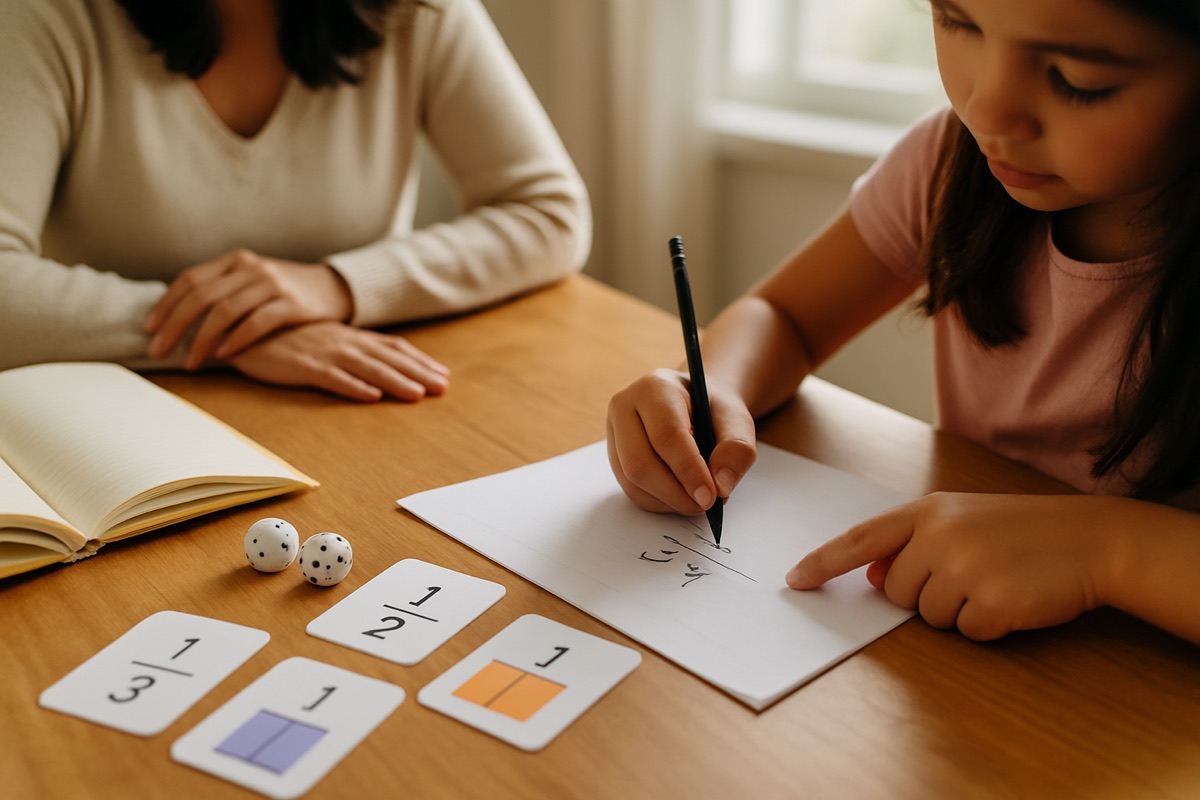
Fraction Games That Finally Make Fractions Click
Fractions click when a kid can hold the pieces, not just stare at the numbers. Here are the games that got mine there.
How a Learning App Is Actually Built (and Why That Should Matter to Parents)
The design choices inside a kids' app aren't neutral. Here's what those choices reveal, from someone who makes them.
Screen Time and Homework: When the Device Helps and When It Hijacks
The same tablet can be a math tutor or a distraction machine. Here's how to tell which one is happening at your kitchen table.
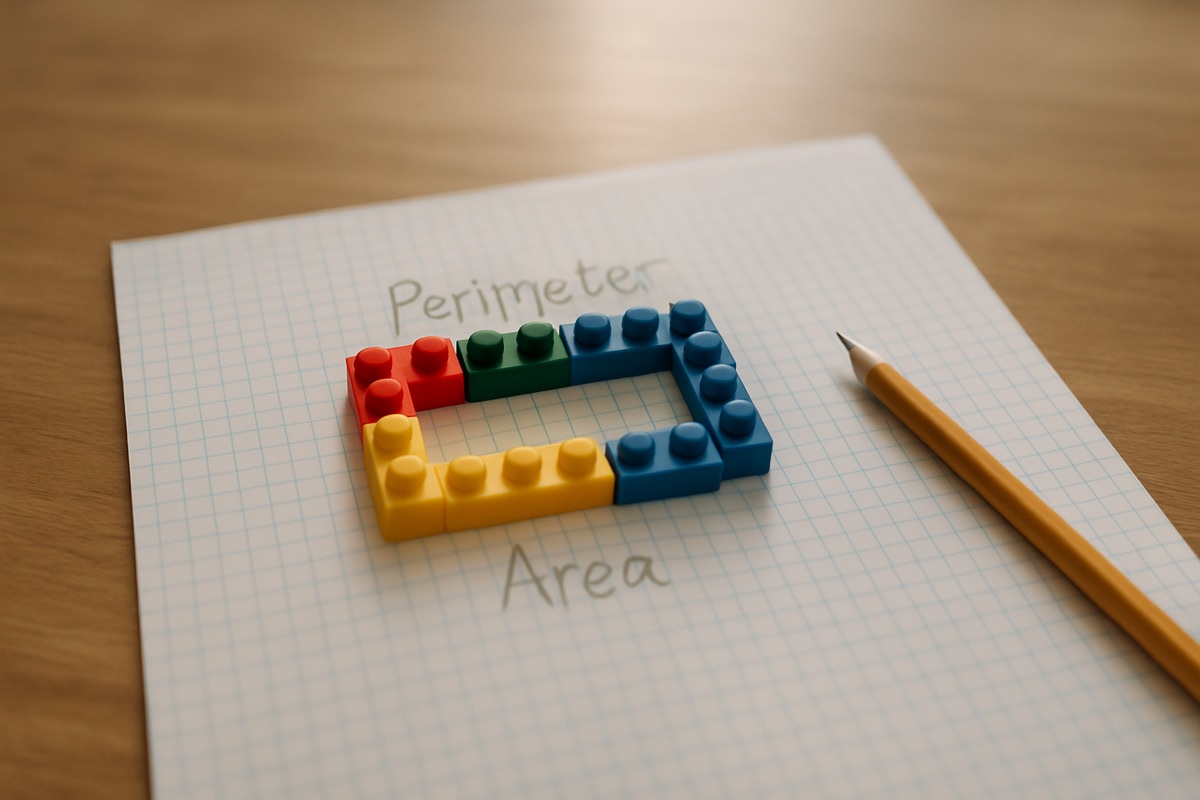
Area vs. Perimeter: Understanding the Mix-Up
Use a fence-and-grass picture and a 4-by-3 tile rectangle to compare area and perimeter, then check the units for each measurement.
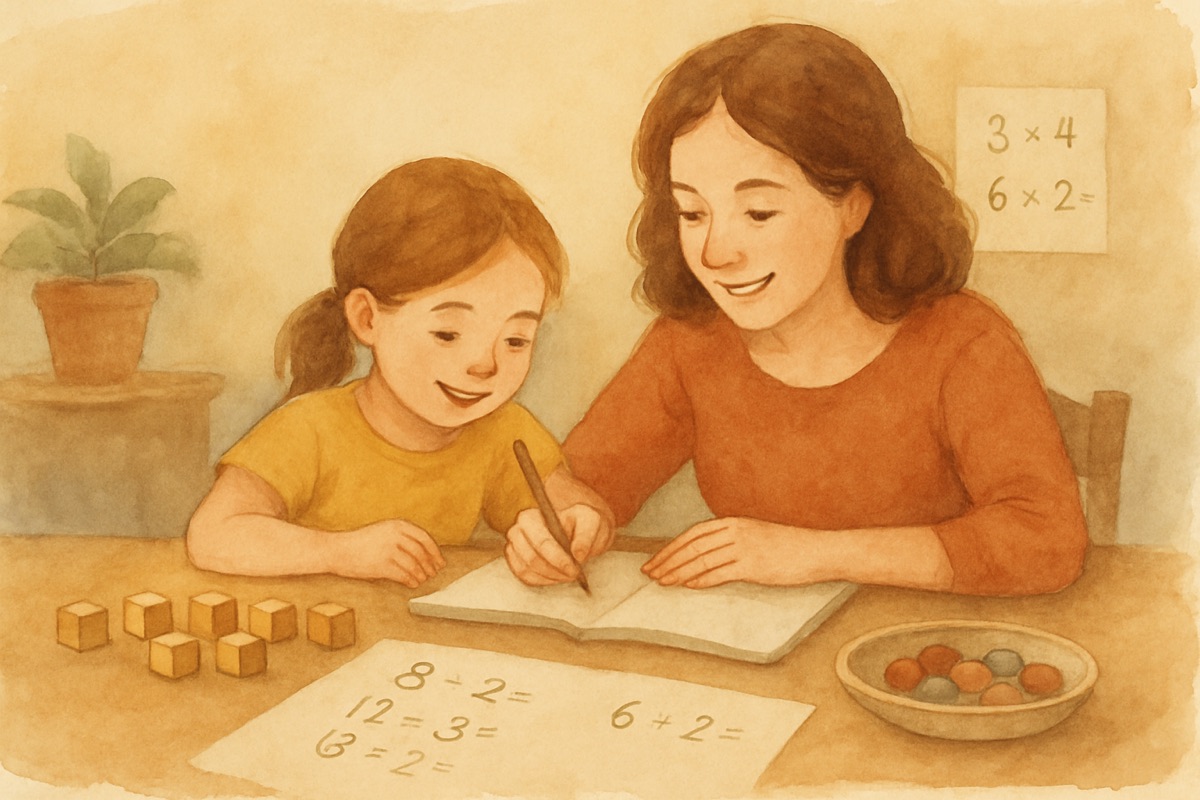
Division Facts Are Just Multiplication in Disguise, and Kids Should Know That
Kids dread division as a brand-new mountain to climb. It isn't. Here's how to teach division facts using multiplication they already know.
5 Things To Say Instead of 'It's Easy, Just Try' During Math
When your kid is stuck and melting down over math, 'it's easy, just try' makes it worse. Here are five things to say instead that actually help.
How To Fill Math Gaps From Last Year Without Overwhelming Your Kid
Last year left holes in your kid's math. Here's how to fill math learning gaps a little at a time, without a summer of worksheets and tears.
How Much Screen Grind Is Hiding in Your Kid's Math App
Your kid did 20 minutes of math on the tablet. But how much of that was actual thinking, and how much was tapping through padding built to keep them on screen?
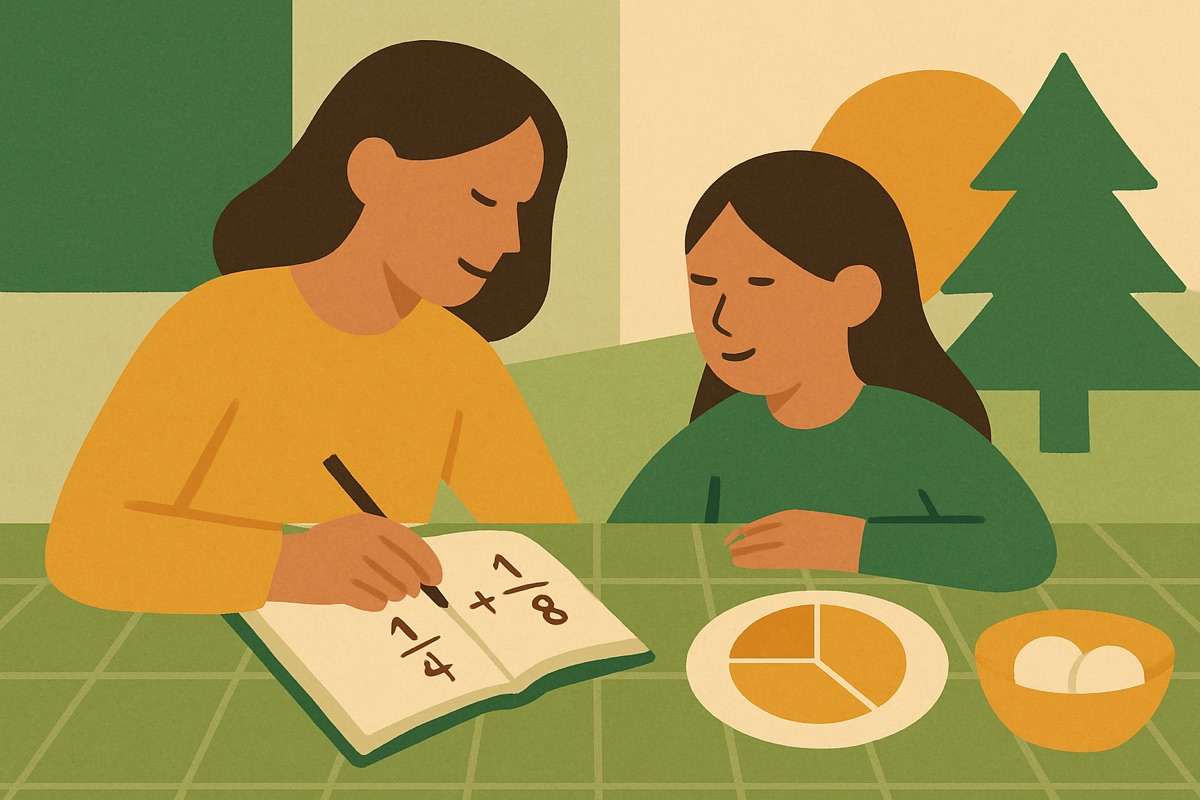
Holiday Baking Math: A Whole Afternoon of Fractions in Disguise
Your kid will fight a fractions worksheet for twenty minutes. They'll happily do the same math for two hours if it ends with warm cookies.
How to Check Your Kid's Math Without Giving Away the Answer
The moment you say 'that's wrong, it's actually 42,' the learning stops. Here is how to check the work without handing over the answer.
From Second to Third Grade: Getting Ready for Multiplication and Fractions
Third grade is where math gets serious. The kids who thrive aren't smarter. They walked in with a few specific skills already solid.
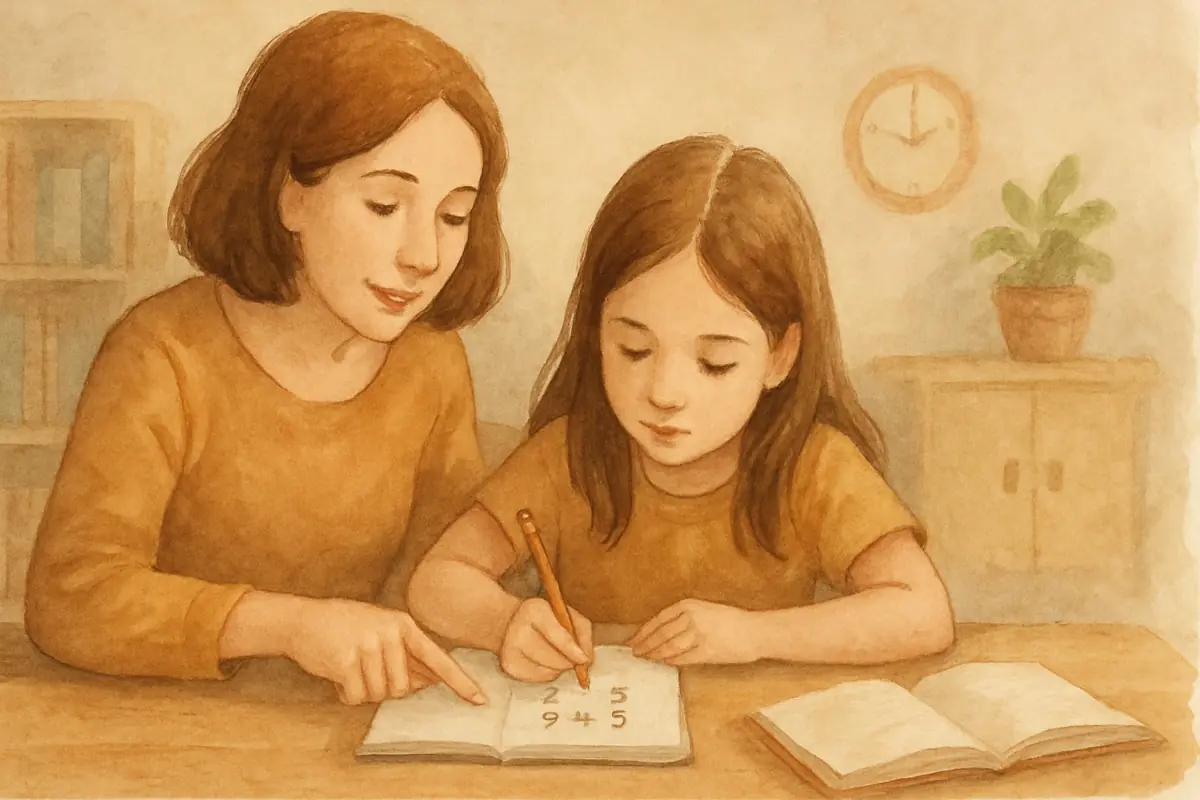
How to Make Math Practice Stick Without Bribes and Screens
A cookie gets you tonight's worksheet. It does not get you a kid who remembers his multiplication facts in March. Here is what actually lasts.

Stop Correcting Every Mistake on Your Kid's Homework
Why fixing every error on your kid's homework quietly teaches the wrong lesson, and the small change that helps them actually learn from mistakes.

What to Say When Your Kid Cries Over Math Homework
The words that actually calm a kid down mid-meltdown over math, the ones that make it worse, and how to end the night without a fight.
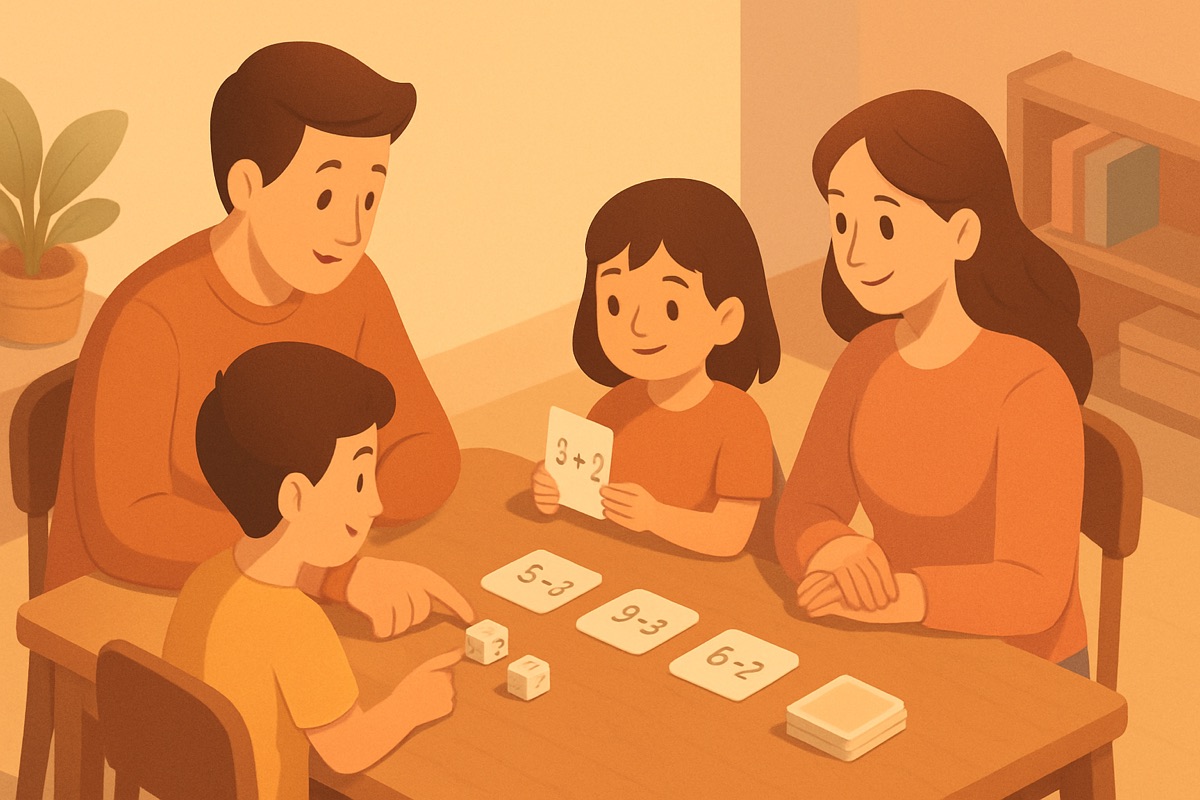
Addition and Subtraction Games for First and Second Graders
Simple addition and subtraction games for first and second graders that build real number sense, using stuff you already have in a kitchen drawer.

Do Free Kids Apps Sell Data? A Parent Privacy Check
A free price does not prove an app sells children's data. Use six checks to understand the app's disclosures and your choices before installing.
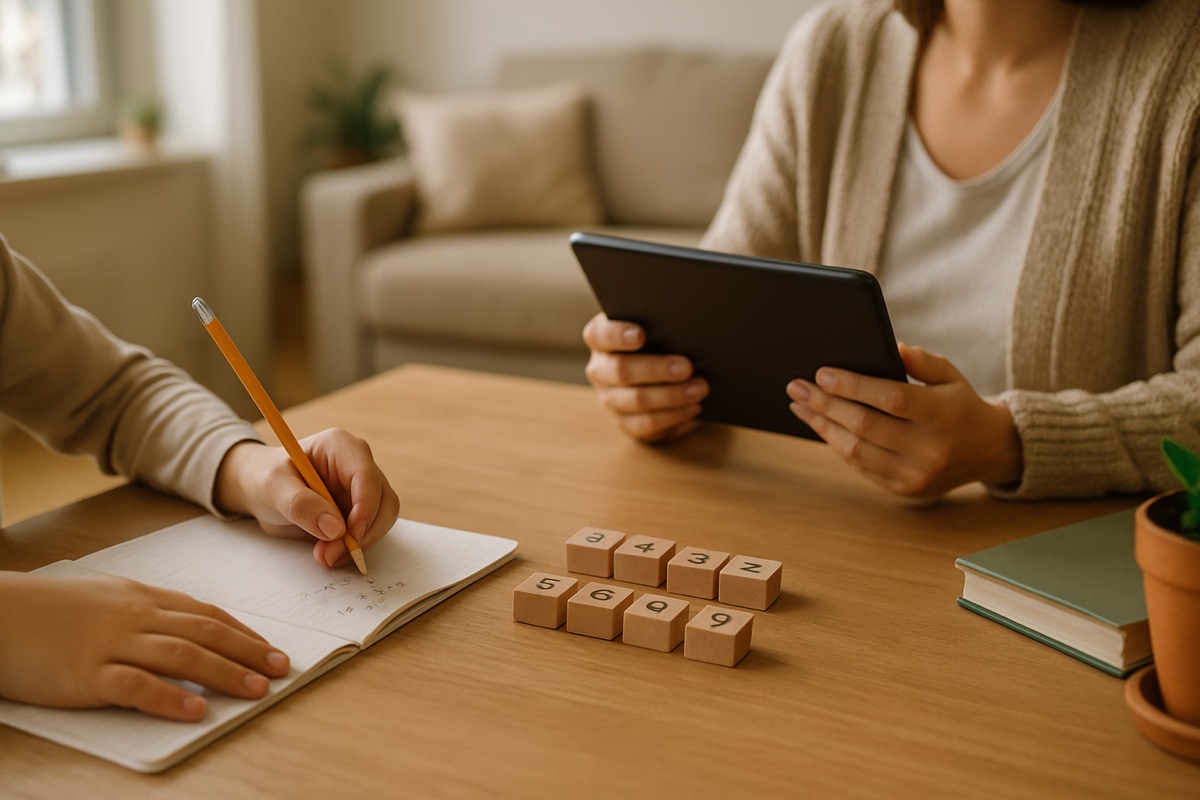
Healthy Device Habits That Stick: What We Do at Our House
The strict screen time rules never lasted a week for us. What finally worked was boring, simple, and built into the day.