The Difference Between a Kid Who Plays Games and a Kid Who Grinds Them
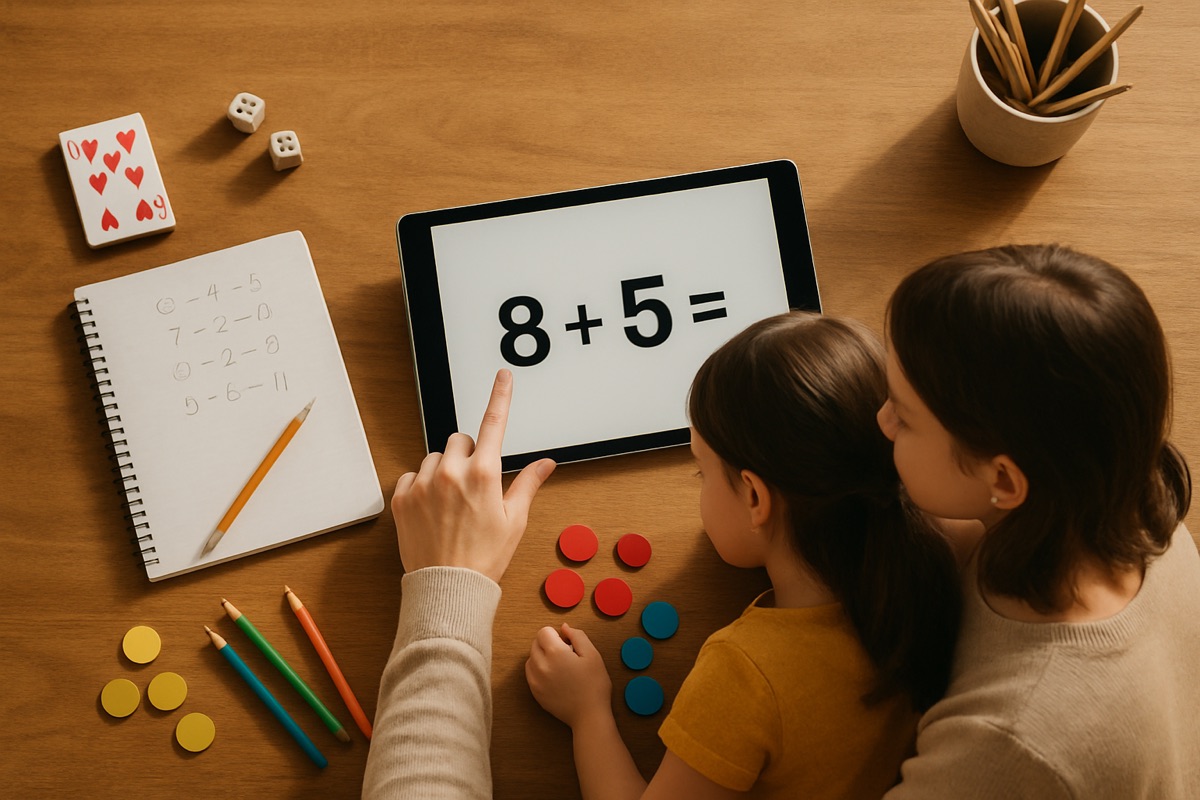
Two kids, same tablet, different faces
Watch two kids play the same game and you can usually tell within a minute which one is playing and which one is grinding. The first kid is loose. She laughs, tries something dumb to see what happens, shows you a thing on the screen. The second kid is locked in and joyless, doing the same tap in the same corner for the fortieth time because the game told him a chest opens after 50. His face is flat. He's not having fun. He's working.
That second kid is what people mean by kids grinding games. Grinding is repeating a boring task over and over to earn a reward the game dangles in front of you. It's not playing. It's a job the child didn't apply for, and the pay is fake.
What grinding actually is
In game design, a "grind" is a stretch of repetitive, low-thought activity you push through to earn something. Kill the same easy monster a hundred times for coins. Tap the crop every ninety seconds. Watch an ad to speed up a timer, then watch another one. The activity itself isn't interesting. The only thing keeping the kid there is the promise of the reward at the end, and often a new reward appears the second they get the last one.
The tell is the flat face I mentioned. Real play produces reactions, surprise, frustration, a laugh, a "watch this." Grinding produces a kind of hypnotized stillness. If your kid is quiet and blank and doing the same motion again and again, that's not deep focus. That's a treadmill.
Why some games are built to be ground
Here's the part that bugs me as a teacher. A lot of games are designed to convert playing into grinding on purpose, because grinding keeps kids on the screen, and screen time is the product. The mechanics are borrowed straight from slot machines. Variable rewards, streaks you'll "lose," timers that nag you back, daily login bonuses. None of it exists to make the game more fun. It exists to make it harder to stop.
You can spot the built-to-grind games by a few signs:
- Progress is tied to time spent, not to getting better at anything
- There's a "streak" or daily login reward that punishes you for taking a day off
- Timers and energy meters that refill slowly, or faster if you watch an ad
- Constant tiny rewards for doing almost nothing
- The reward keeps moving, so there's never a natural stopping point
A game that respects your kid lets them get good, feel it, and walk away satisfied. A grind never lets them feel done.
Grinding is fine sometimes, and awful other times
I want to be fair. Some grinding is normal and even healthy. A kid practicing free throws in the driveway is grinding, in a sense, and it's building a real skill. Repetition that makes you better at something genuine is just practice. My own son ground the same piano scale for a week and came out actually able to play it. That's the good kind.
The bad kind is repetition that builds nothing. Tapping a virtual crop 400 times doesn't make your kid better at farming, or math, or anything. The skill line is flat. All that's growing is the game's hold on their attention. So the question I ask parents isn't "is my kid grinding," it's "is the grinding leaving anything behind." Real progress, yes. A number that only exists inside the app, no.
This is the whole reason I care about how rewards get handed out. When a reward is tied to a kid actually getting better, mastering a fact, finishing something hard, the repetition means something. When a reward is tied to just being present and tapping, it's busywork dressed up as achievement.
How to steer them back to playing
You don't have to ban anything to fix this. Mostly you have to make the grind visible and give better options.
- Name it out loud. "You've done that same thing a lot. Are you having fun, or are you just waiting for the chest?" Kids are honest when you ask plainly.
- Ask what they'd do if the reward didn't exist. If the answer is "quit," the game was never the point.
- Set stopping points that aren't the game's stopping points, since the game is built to never offer one. A timer on the counter works better than "when you're done."
- Push toward games and activities where getting good is the reward, not a badge for showing up.
- Model it. If you catch yourself doom-scrolling with the same flat face, say so. Kids notice.
The goal isn't zero screens. It's a kid who plays because it's fun and stops when it stops being fun, instead of a kid stuck feeding a machine that was designed to never let go. The next time you glance over at your kid on a tablet, don't check the clock first. Check the face. It'll tell you which one is happening.