All articles
Every guide in the Math Prizes resource hub, newest first. Page 7 of 16.
How To Talk About Your Own Math Struggles in a Way That Helps
'I was never a math person either' feels like comfort. To a struggling kid it can sound like permission to quit. There's a better way to say it.

The 10-Minute-a-Day Habit That Turns Around a Struggling Math Kid
The kid who was behind in October caught up by spring, and it wasn't a tutor or a weekend cram. It was ten quiet minutes a day.
Best Math Fact Practice Apps for Kids (2026): A Parent's Guide
Compare six current math practice options, then use a four-question ten-minute test before choosing one for your child.
Spring Break Math That Fits Around Actual Rest
Spring break should be a break. Here are low-effort spring break math activities that keep skills warm in a few minutes a day without stealing the rest.
Should Your Kindergartner Be Using a Math App at All?
Math apps for kindergarten can help or quietly get in the way. Here is when a screen makes sense at age five, and when a bin of buttons wins.
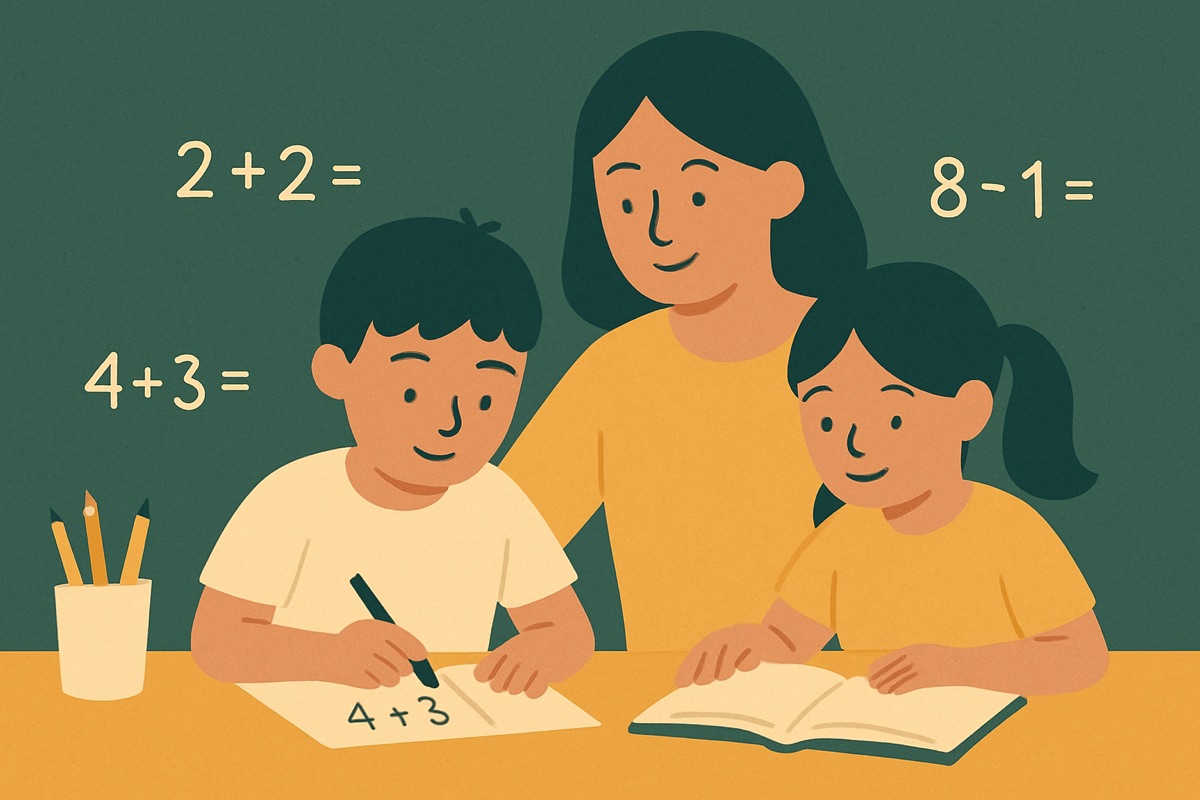
Grade-Level Math Milestones: A Year-by-Year Cheat Sheet for Parents
A plain year-by-year map of what math kids actually pick up from kindergarten through fifth grade, so you can tell a normal wobble from a real gap.

How to Restart Math Practice After You Have Fallen Off
The routine died sometime around the holidays and nobody noticed. Here is how to restart a math practice routine without guilt or a two-hour catch-up session.

Homework Time Is Not the Time to Teach New Math
Homework is for practicing what a kid already knows, not learning it cold. Here's why teaching new math at the kitchen table backfires, and what works better.

How to Turn a Grocery Trip Into a Math Motivation Win
The cereal aisle is a better math classroom than most worksheets. Here's how to turn a normal grocery run into practice your kid actually cares about.
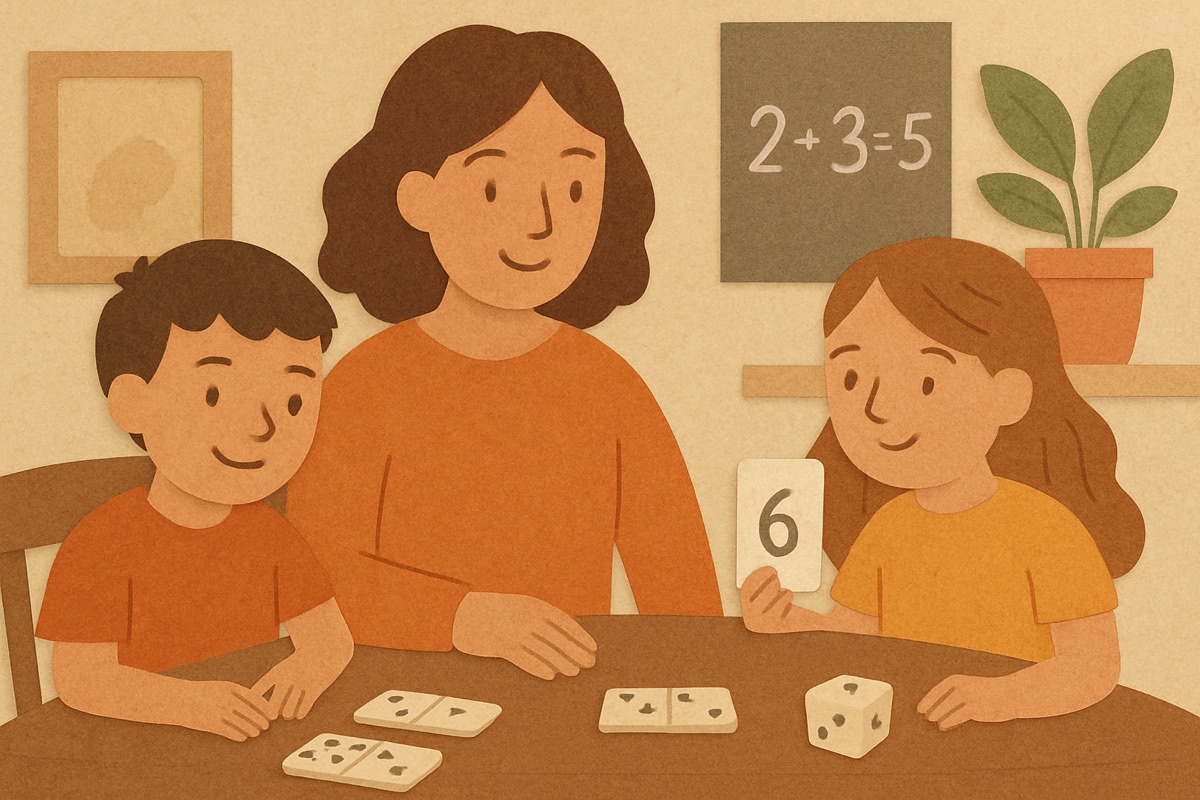
Dominoes Aren't Just a Game: Sneaky Math for Little Kids
A box of old dominoes is quietly one of the best math tools in your house. Here are the games that build number sense without a worksheet.

The Difference Between an App That Teaches and an App That Just Tests
Most math apps quiz your kid over and over and call it learning. Here's how to tell the ones that actually teach from the ones that only test.
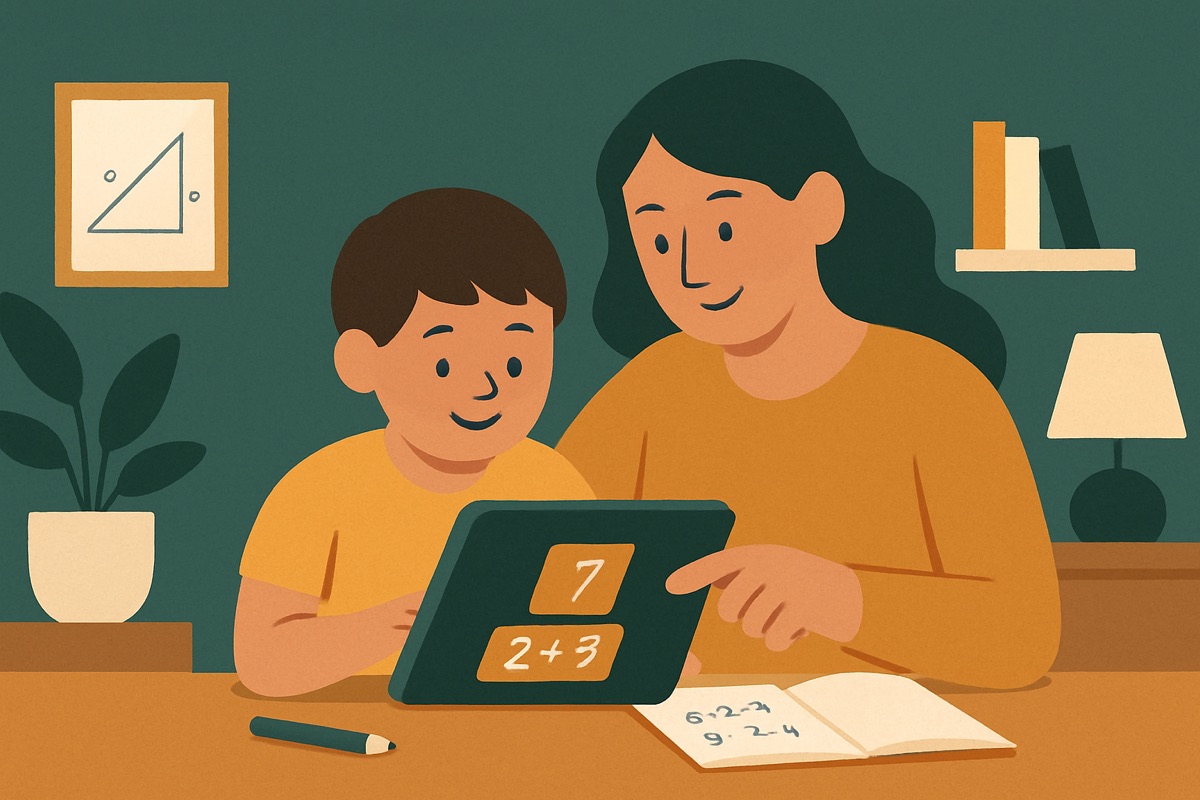
Screen Time and Little Kids' Behavior: What Two Weeks of Tracking Showed Us
We stopped guessing and kept a notebook by the couch for two weeks. What the log showed about screen time and behavior in our kids surprised us both.
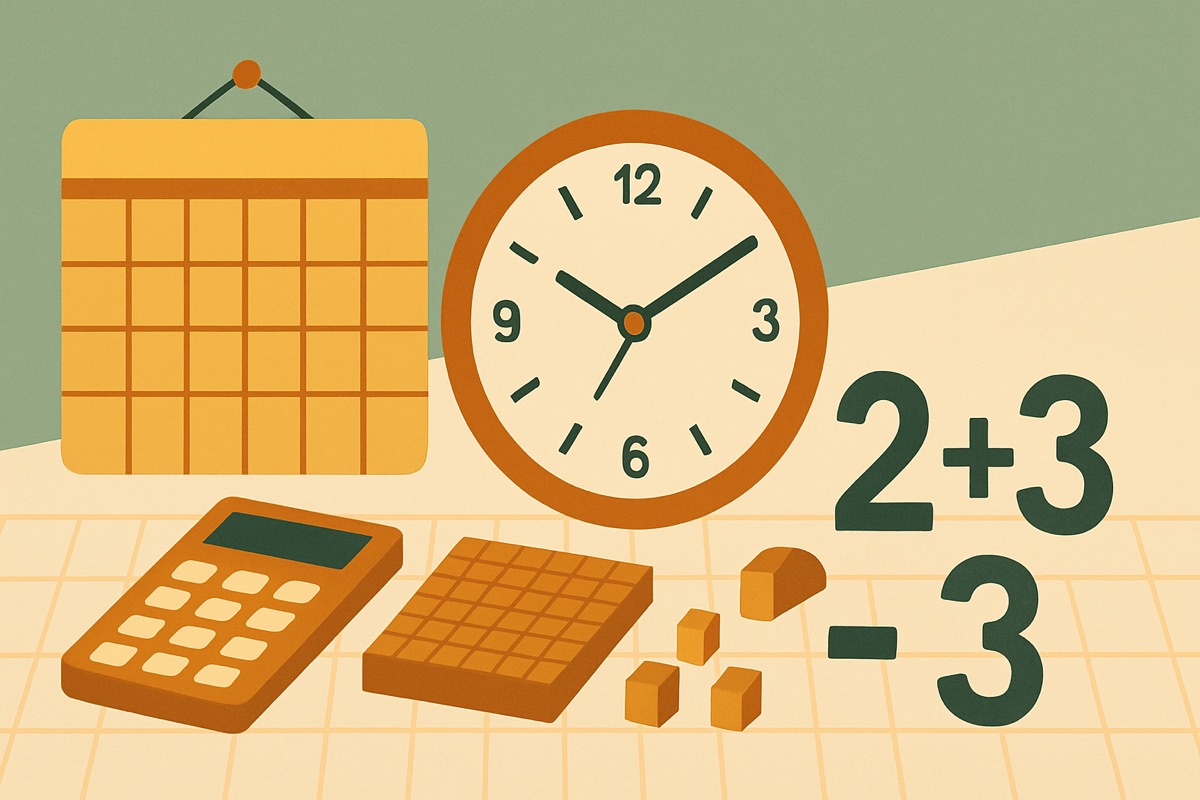
Reading a Calendar and a Clock: The Time Skills Schools Assume Kids Have
A whole class of third graders once froze on one question: if practice ends at 5:15 and it's 4:40, how long until you're done? Here is how to teach kids elapsed time so it clicks.
When to Move From Understanding a Fact to Just Knowing It
There is a moment when counting on fingers stops helping and starts holding a kid back. Knowing when to start memorizing math facts is really about spotting that moment.

Comparing Siblings in Math: The Confidence Killer Hiding at Home
A younger brother once told me his sister was the smart one. He was eight. Here is how comparing siblings in math quietly teaches a kid to quit.
Talking to Your Child's Teacher About Math Struggles: What To Ask
The parent teacher conference is fifteen minutes long. Here are the questions that turn it from a vague reassurance into a real plan for a struggling math kid.
The Parent Dashboard Test: Can You Actually See What Your Kid Is Doing
Most math app dashboards show you activity, not learning. Here's how to tell the difference, and the five questions a real parent dashboard should answer fast.
Rainy Day Math: Games for When Everyone Is Stuck Inside
A dozen indoor math games that use a deck of cards, some coins, and stuff already on your shelves. Real math practice that doesn't feel like homework.

Khan Academy at Home: A Parent's Setup Guide for Grades 1 to 5
How to actually set up Khan Academy for a first through fifth grader, what the mastery bar really measures, and the three settings most parents miss.
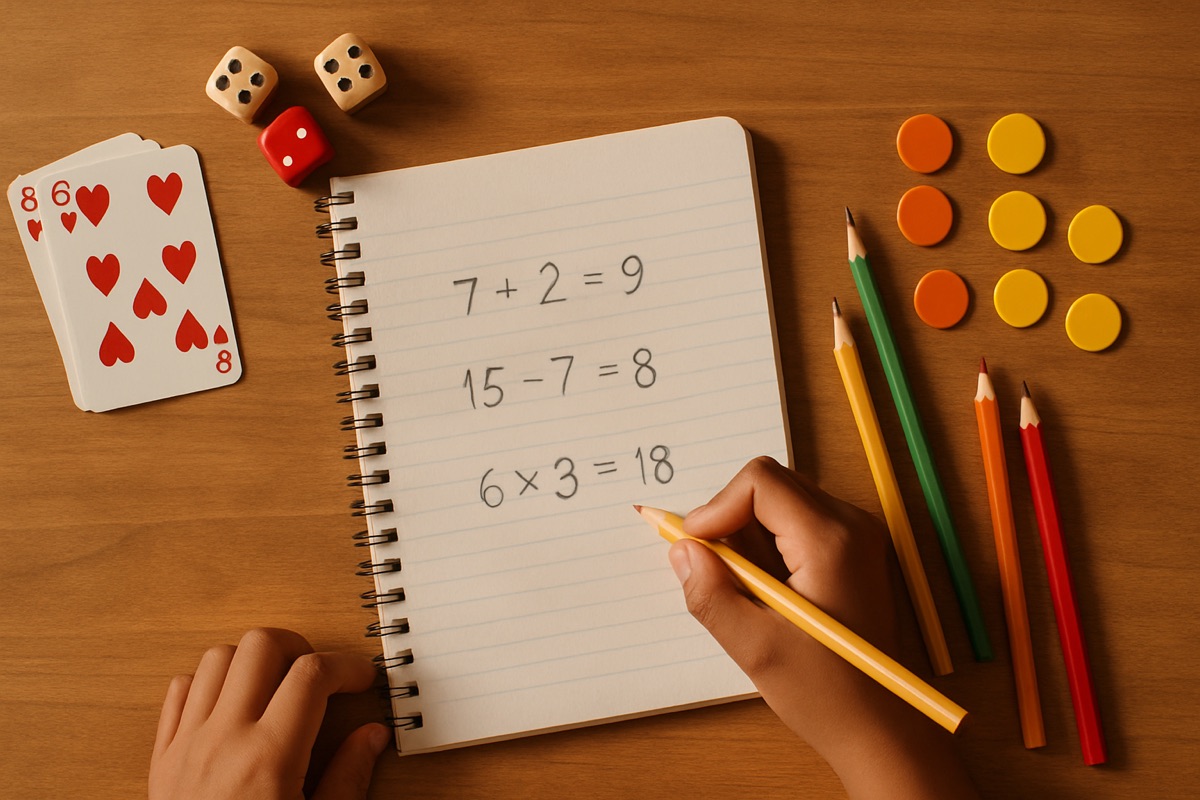
A Realistic Summer Math Plan So Your Kid Doesn't Slide Backward
Every September I watched kids show up rusty. Here is a realistic summer math slide plan that keeps skills sharp without wrecking the whole vacation.
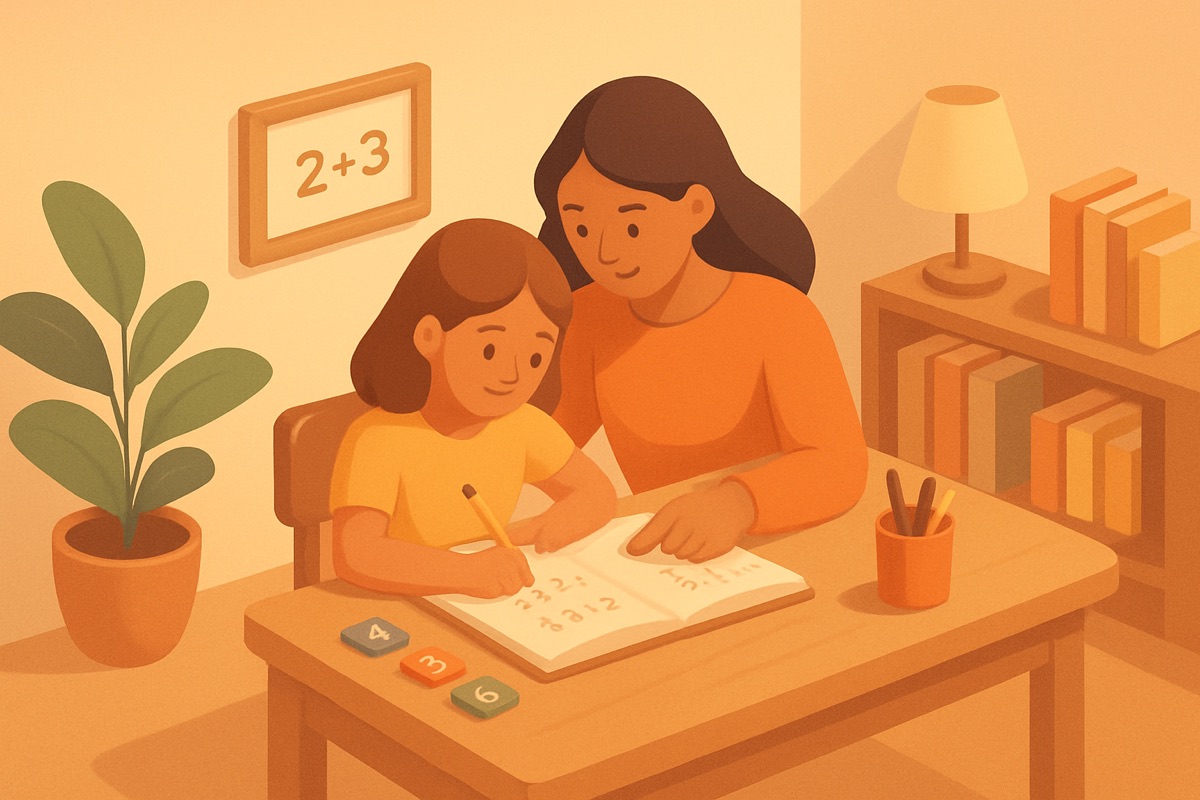
Times Tables at Home: A Steady Plan, Not a Panic
A note comes home saying your kid isn't fluent with multiplication facts, and you panic. Here is the calm, steady way to practice times tables at home.
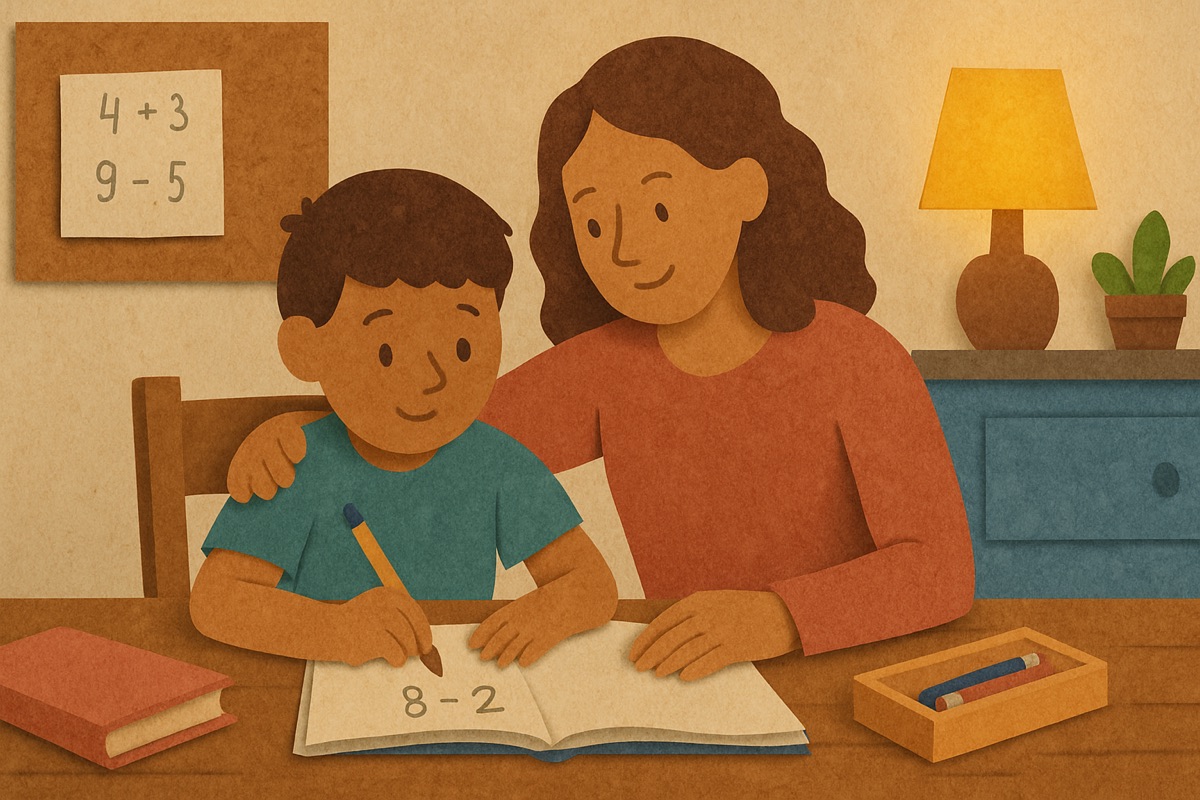
What to Do the Night Before a Math Test Without Cramming
It is 8pm, the test is tomorrow, and the worksheet is a mess of red marks. Here is what to actually do the night before a math test.

Sibling Comparisons Are Killing Your Kid's Math Motivation
The younger brother had already decided he was the dumb one in the family, and he was seven. Here is how sibling comparisons quietly wreck math motivation.
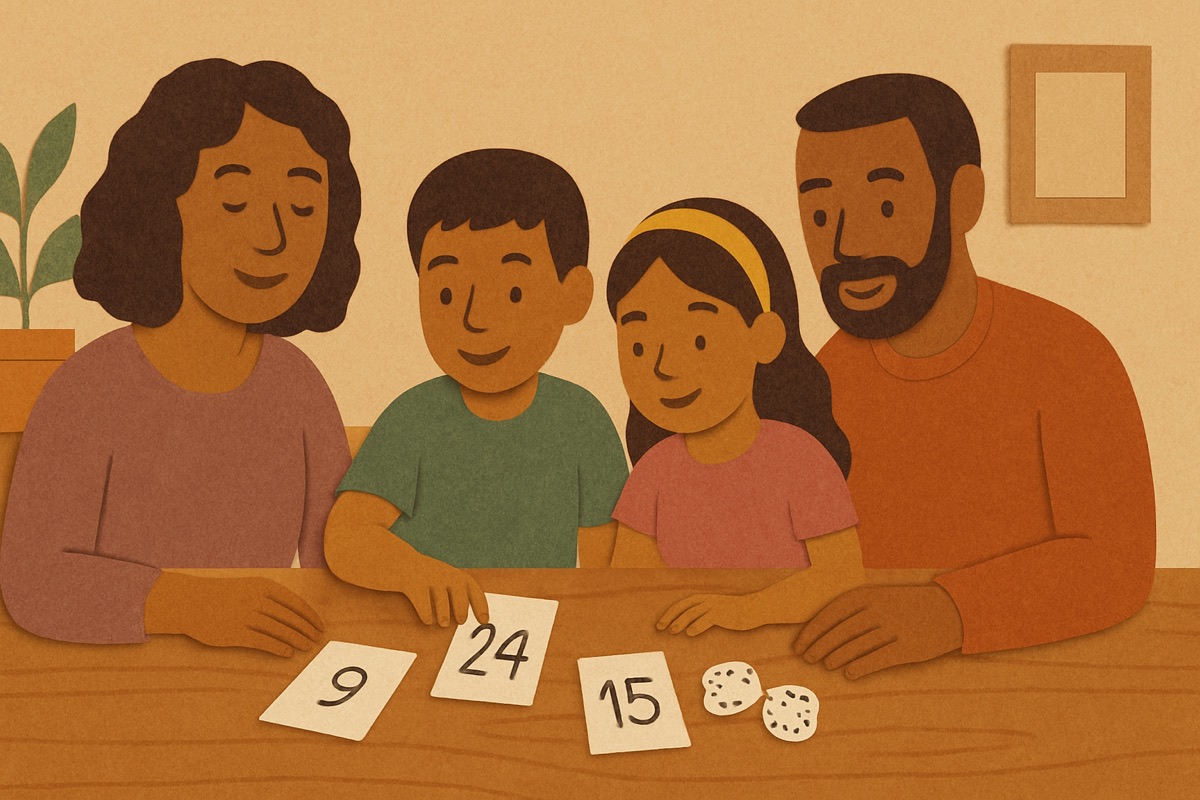
Place Value Games That Make Big Numbers Make Sense
A kid can read 'four hundred seven' and still not feel how big it is. These place value games close that gap with dice, cards, and pocket change.