All articles
Every guide in the Math Prizes resource hub, newest first. Page 8 of 16.
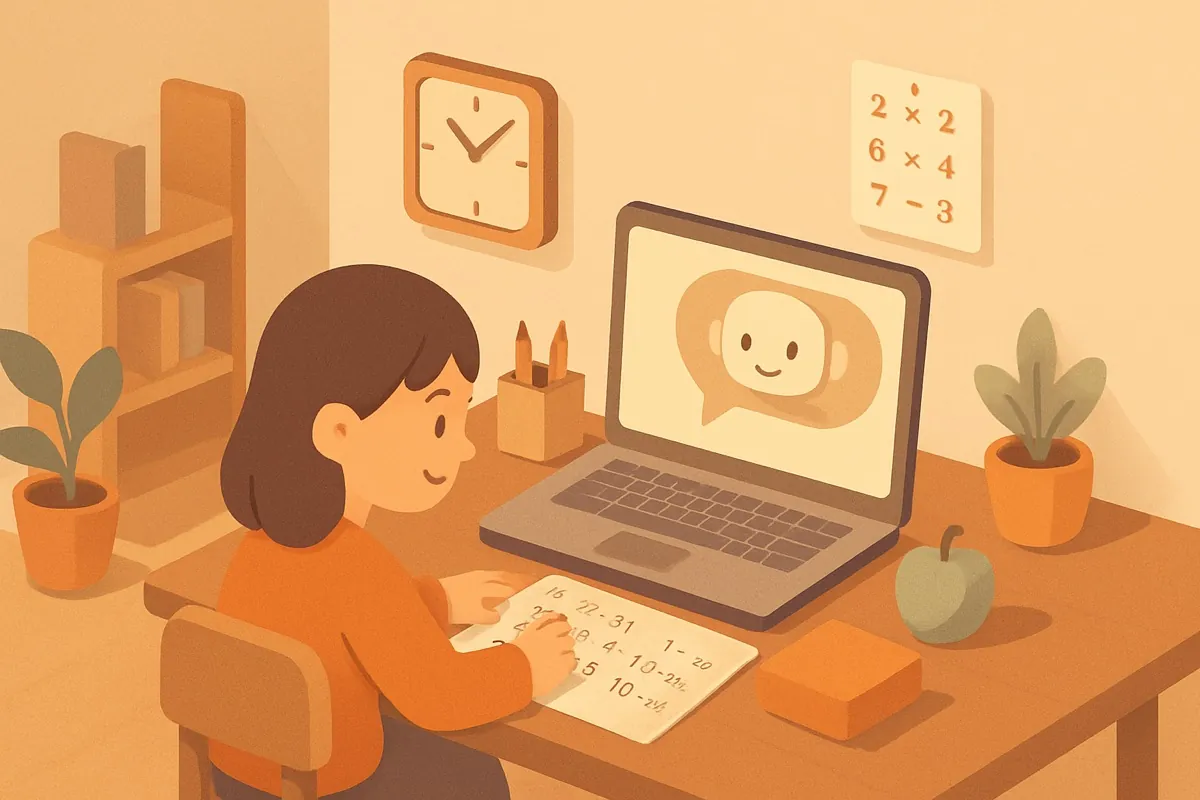
Should a Kid Use ChatGPT for Homework? Where I Draw the Line
There's a version of this that teaches your kid and a version that quietly does their thinking for them. The gap between them is smaller than you'd hope.

Why Your Kid Wants One More Level (and How Games Are Built to Make Them)
That 'one more level' is not your kid being weak. It was engineered by people who get paid when the answer is yes. Here's how the trick works.
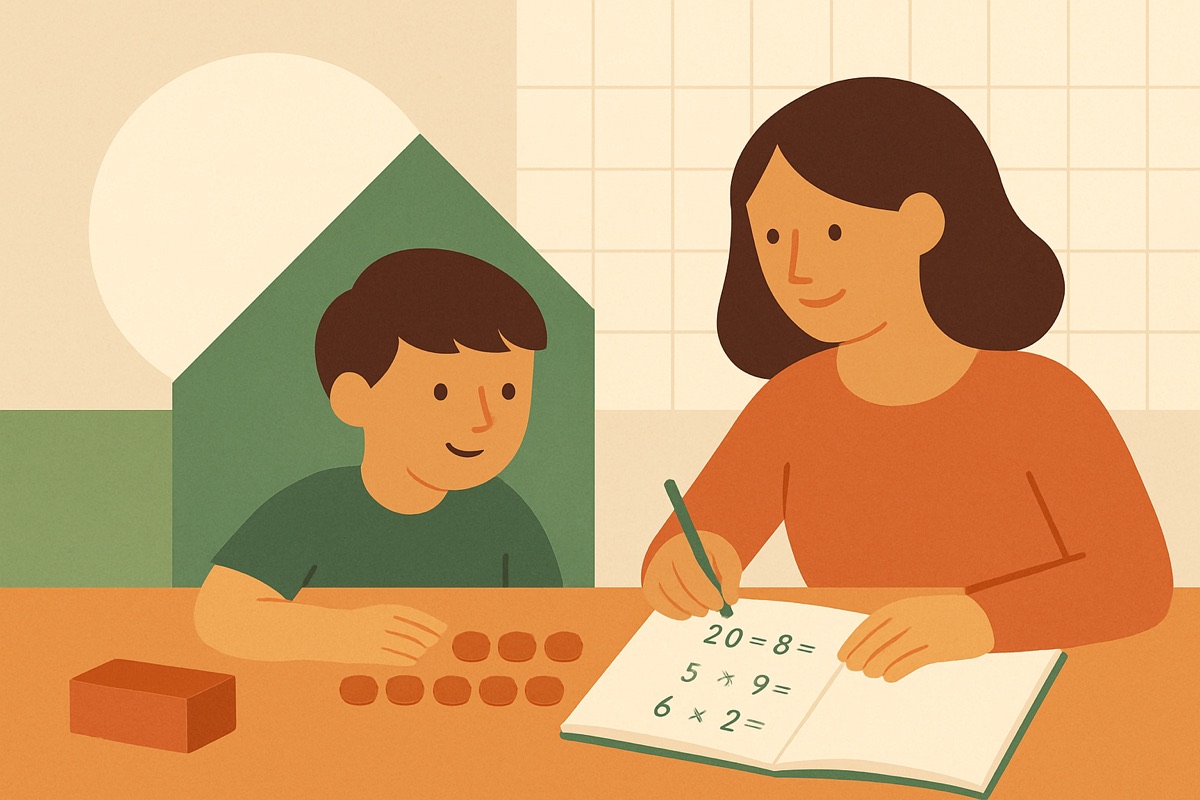
Multi-Step Word Problems: Teaching Kids to Slow Down and Chunk
Most kids don't fail word problems because the math is hard. They fail because they rush. Here's how to teach them to chunk it into pieces.

The 9s Trick That Actually Sticks (and the One I Tell Kids to Skip)
One nine times table trick sticks for good and shows kids why it works. The famous finger version becomes a crutch. Here is the difference.
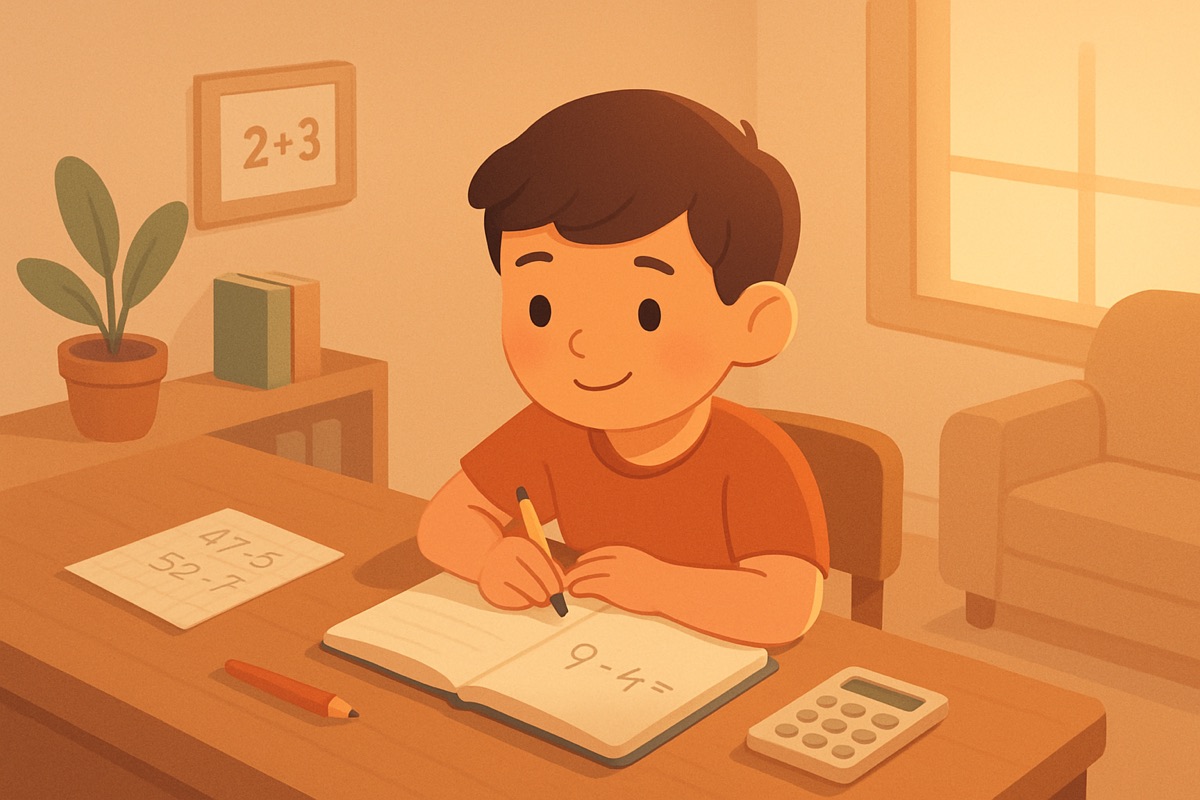
The Perfectionist Kid Who Freezes on Hard Math Problems
Some kids don't struggle with hard math because it's too hard. They freeze because they can't stand the idea of getting it wrong.
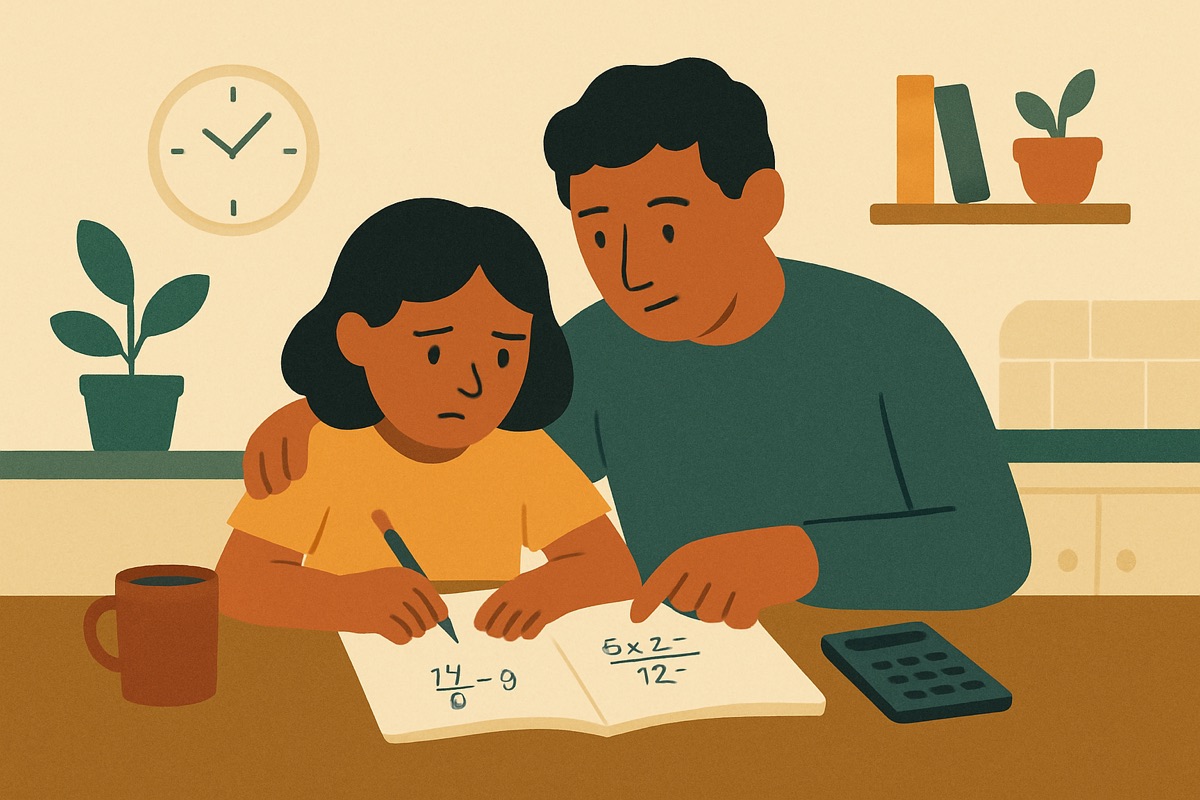
Should I Get a Math Tutor? How To Tell If You've Hit That Point
A tutor is a big commitment of money and time. Here is how to tell if your child has actually hit that point, and what to try first.
Does the App Grow With My Kid? Testing for Grades 1 Through 5
Most math apps say they adapt. Here is a fifteen-minute test that shows you whether the one on your kid's tablet actually does.

Summer Lemonade Stand Math: Profit, Pricing, and Change
A lemonade stand is a full math unit hiding in a pitcher of lemonade. Pricing, profit, and making change all get real when actual quarters are involved.
How to Talk to the Teacher When You Think the Math Pace Is Wrong
Your kid says math is boring and you suspect the pace is too slow. Here is how to raise it with the teacher so it lands as help, not a complaint.
How to Read Your Child's Math Report Card Without Panicking
That row of 2s next to your kid's name is not the disaster it looks like. Here is how to read a math report card and figure out what actually needs attention.
Practicing Math Facts: Why Fluency Frees Your Kid's Brain
When a kid can pull 7 plus 8 from memory, they stop spending every ounce of attention on the small stuff and can actually think about the problem.

Breaking Big Homework Problems Into Steps Your Kid Can Handle
A four-line word problem can look like a brick wall to a nine-year-old. Here's how to break down math problems for kids into steps they can actually handle.

The Growth Mindset Talk That Doesn't Feel Like a Lecture
Skip the motivational poster. Here's how to build a real growth mindset for kids in math with a few honest phrases and one small change in how you praise.
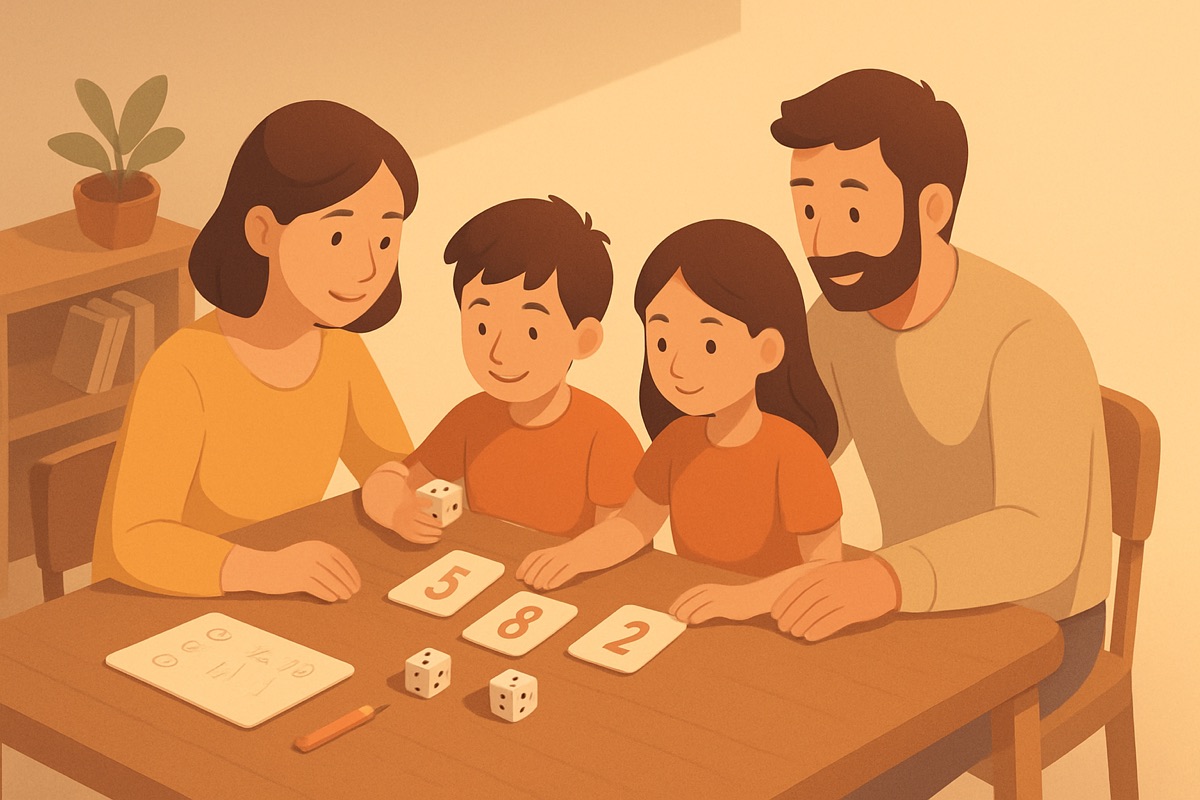
Road Trip Math Games That Kill Time and Build Skills
Long drive ahead? These car math games keep kids busy and quietly sharpen the skills their teacher is trying to build, no worksheets required.

How to Talk to Your Kid About AI Without Scaring Them or Overselling It
AI is already in your kid's homework help and video feed. Here's how to explain what it really is, without the doom or the marketing sparkle.
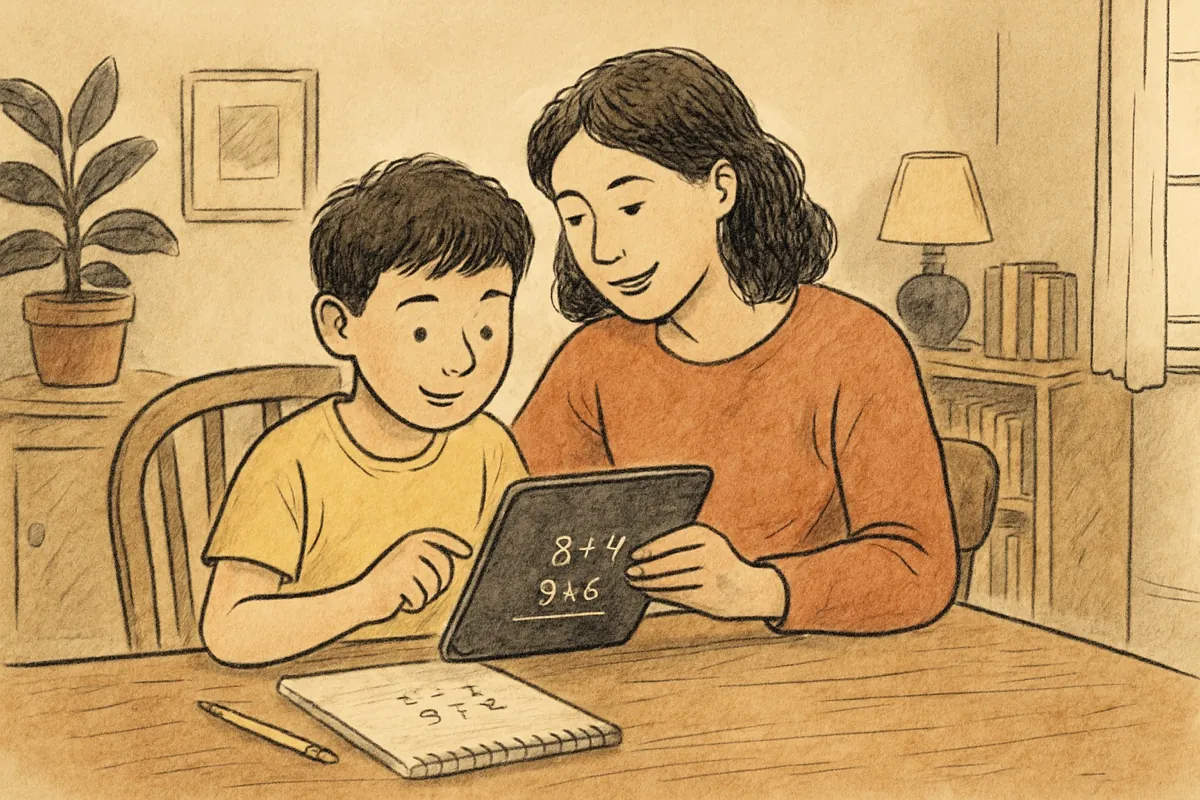
The 5 Cs: A Simpler Way to Judge Screen Time Than Counting Minutes
Two hours on one screen can be totally different from two hours on another. Five questions will tell you more about your kid's screen time than any timer.
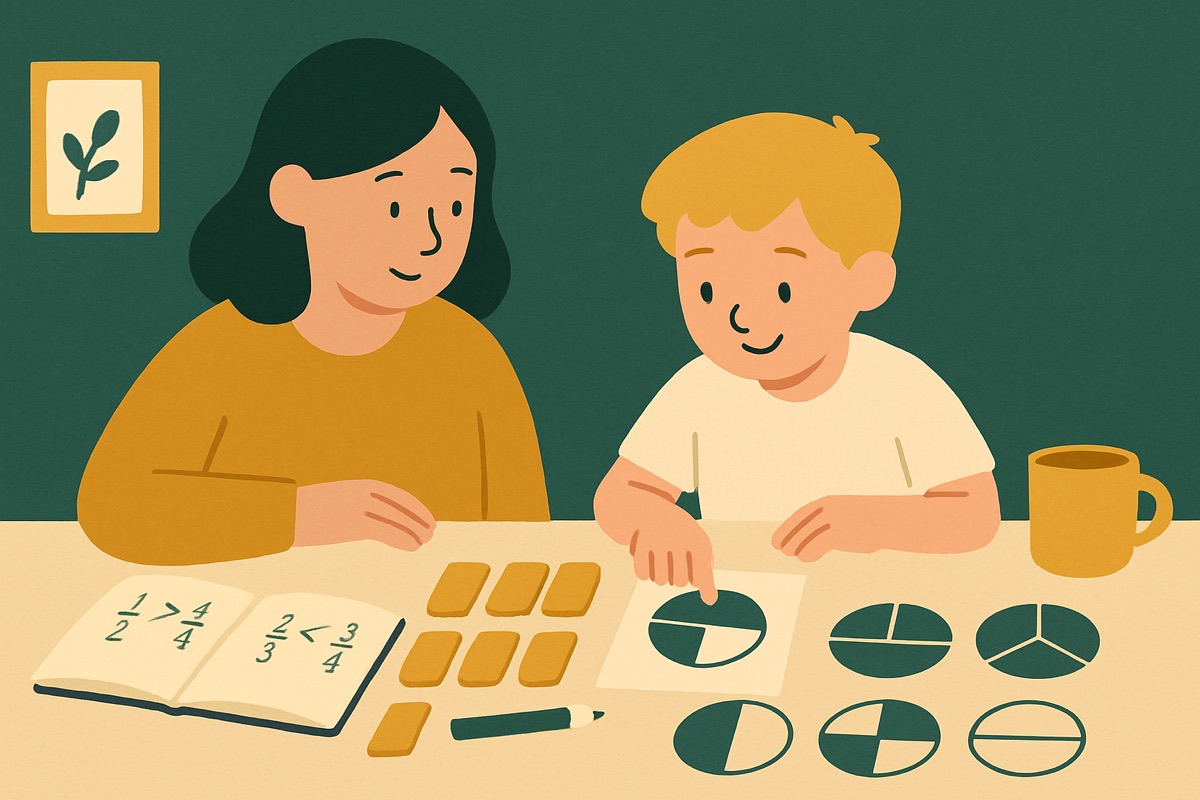
Comparing Fractions: The Trick of Thinking About Missing Pieces
Which is bigger, 5/6 or 7/8? There's a way to see the answer in your head in about two seconds, and it beats cross-multiplying every time.
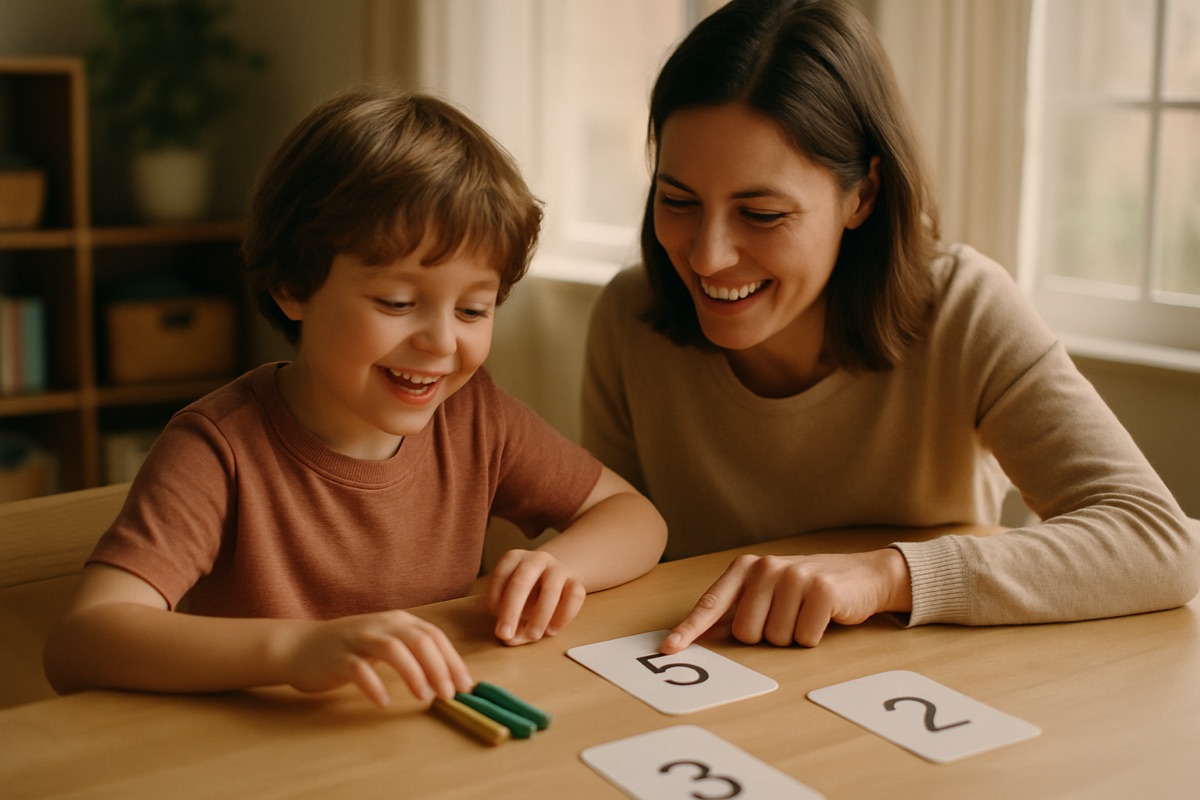
Flashcards Done Wrong vs. Done Well: A Teacher's Rules
Flashcards aren't the problem. The way most of us run them is. A few small changes turn a nightly fight into two calm minutes that actually stick.

Confidence Comes From Competence: Why You Can't Cheerlead It Into a Kid
Telling a nervous kid he's great at math doesn't make him believe it. Real confidence grows from being able to do the thing, not from applause.

My Child Rushes and Makes Careless Math Mistakes: A Fix That Works
Careless math mistakes from rushing rarely mean your kid doesn't care. Here is what is really going on and a routine that reduces the errors for good.
Ads in Kids Apps: How to Tell If They Are Harmless or Predatory
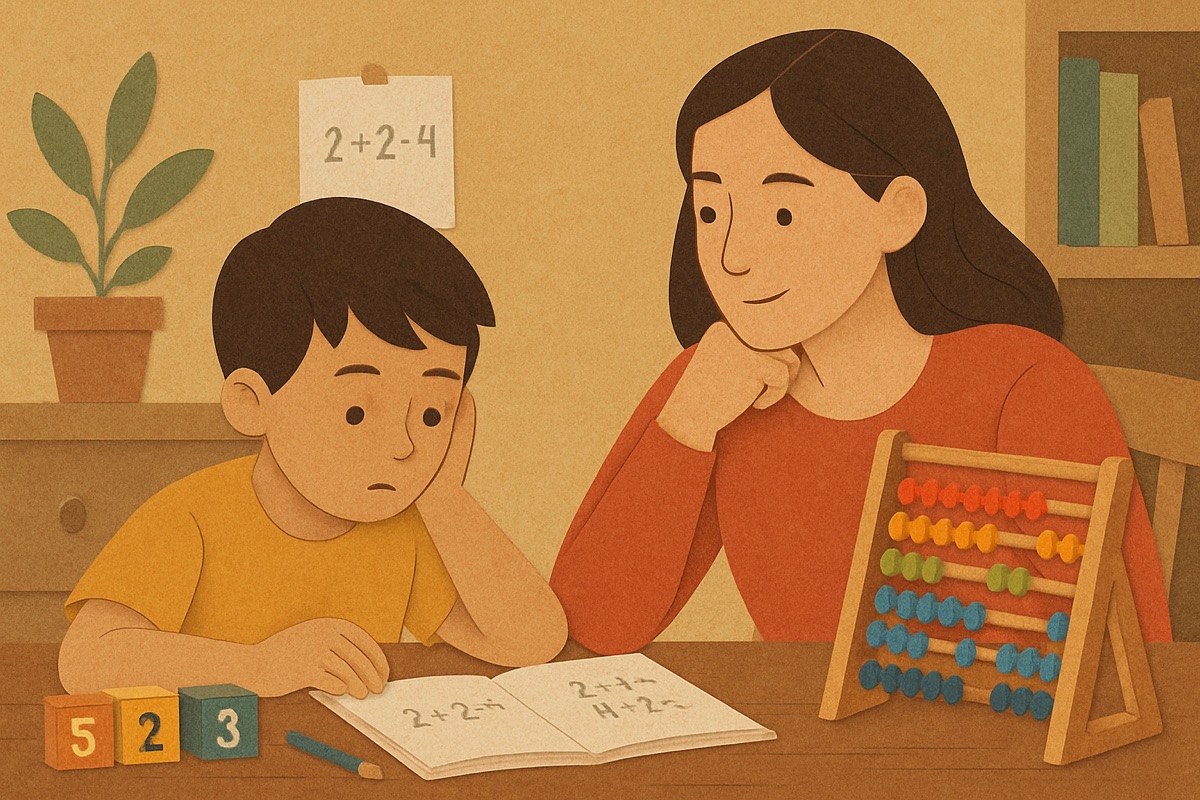
Not every ad in a kids app is a red flag, but some designs are built to trick children. Here is how a developer tells the difference in about two minutes.

Thanksgiving Math: Cooking a Feast Is a Story Problem
The turkey, the pies, and the guest count are all math problems in disguise. Here is how to hand your kid the real ones instead of a holiday worksheet.
What Grade Level Math Standards Really Cover, Grade by Grade
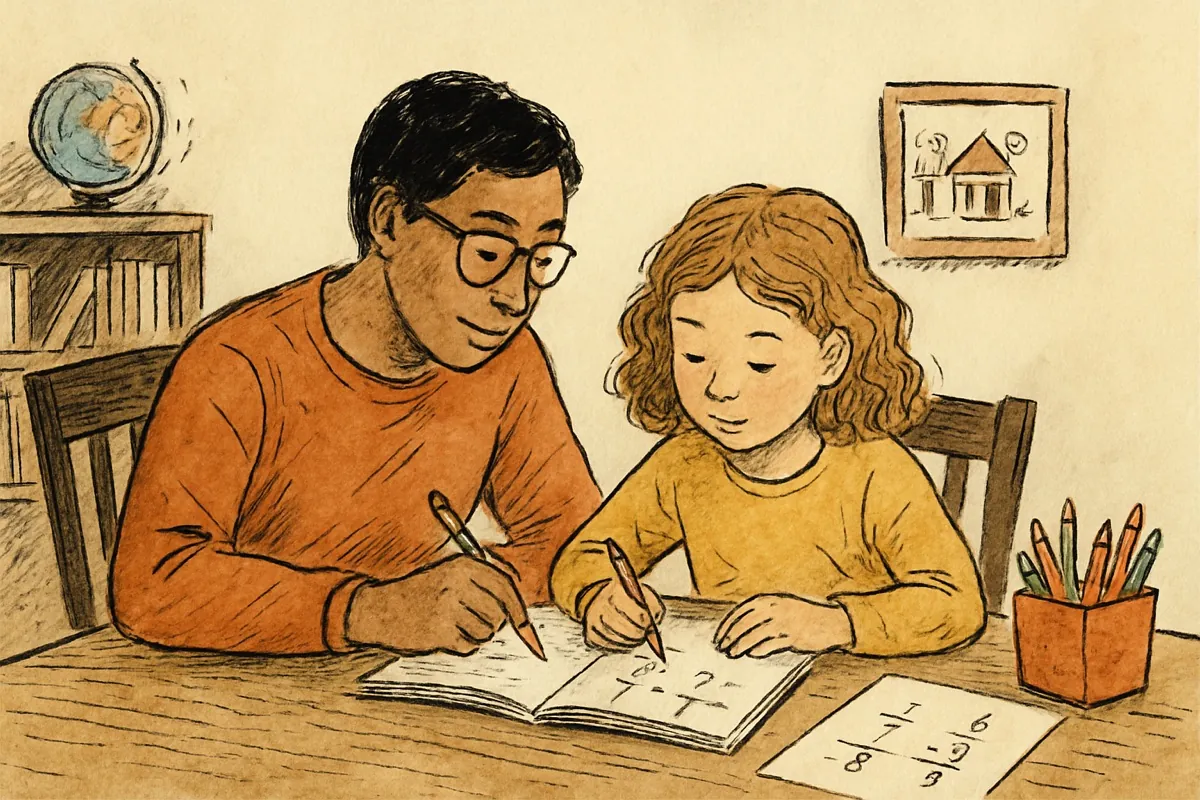
A plain-English tour of what math actually gets taught each year in elementary school, so you can tell whether your kid is on track or quietly behind.

What Do the Grade-Level Math Standards Actually Mean for My Kid?
The grade-level math standards are written for teachers, not parents. Here is what each elementary grade is actually supposed to master, in plain English.