All articles
Every guide in the Math Prizes resource hub, newest first. Page 6 of 16.
Setting Up Parental Controls That Keep Math Time Honest
Time limits alone don't keep math time honest. Here's how to set up parental controls so twenty minutes of app time is twenty minutes of real practice.
Why Third Grade Math Feels So Much Harder All of a Sudden
Your kid cruised through first and second grade math, then hit a wall in third. It's not them. Here's what actually changes in third grade and why.
Why Mixing Up Problem Types Beats Practicing One Skill at a Time
A worksheet of twenty identical problems feels productive and teaches almost nothing. Here's why mixing up problem types is what actually makes math stick.
Building Homework Independence Grade by Grade
Homework independence isn't a switch you flip. It's a handoff you do slowly, and the right amount of help looks completely different in first grade than in fifth.
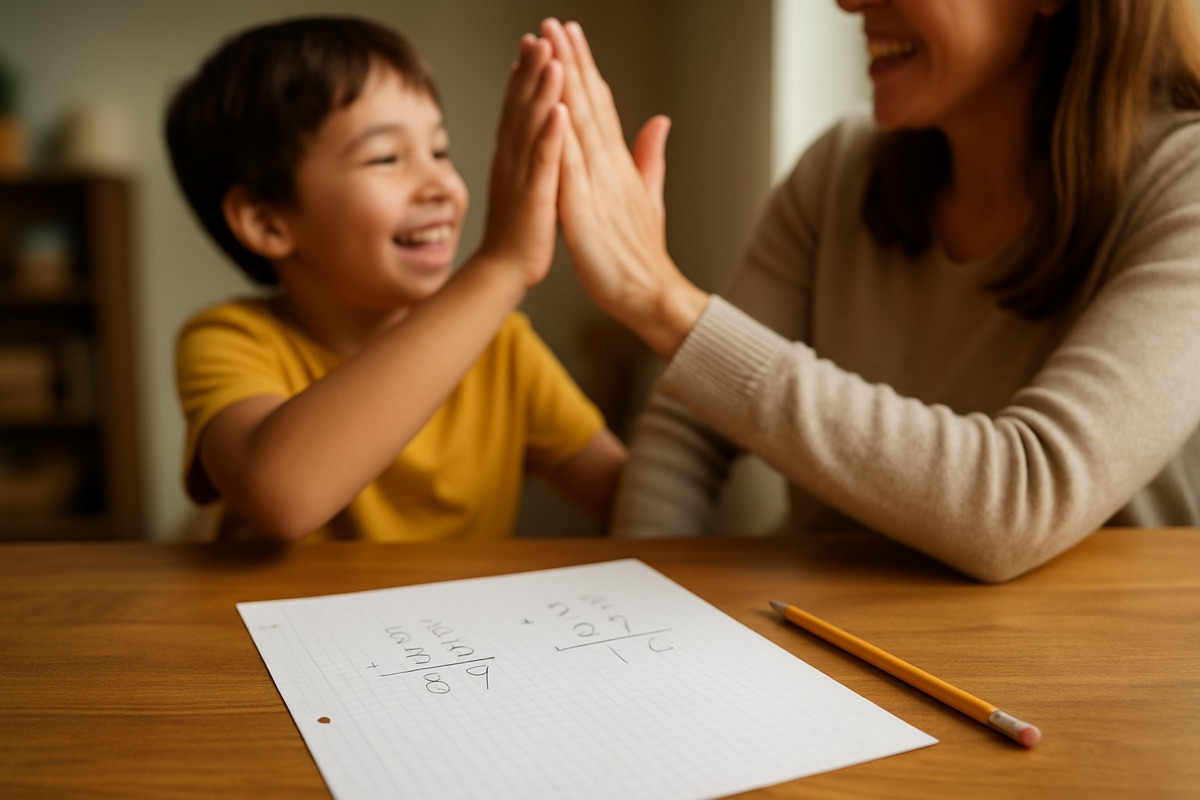
The Right Way to Use Prizes So They Fuel Learning, Not Replace It
Choose what you want to recognize before offering a prize. Consider small rewards for effort and practice, then review how the arrangement is working.
Outdoor and Movement Math Games for Kids Who Can't Sit Still
If your kid bolts from the worksheet in ninety seconds, the answer might not be more focus. It might be getting the math off the chair and into their legs.
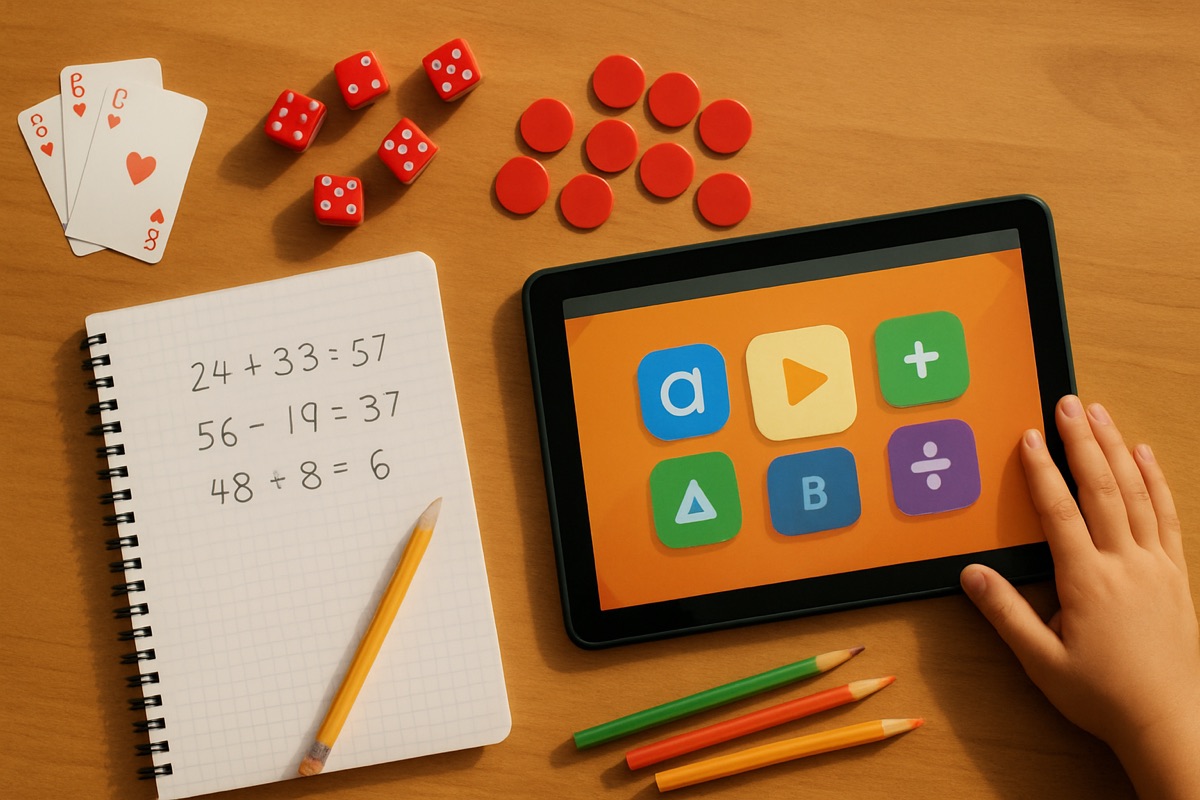
How I Vet Any Learning App Before It Touches My Kid's Tablet
The exact steps I run through before any learning app gets installed on my kid's tablet, from what it collects to whether it teaches at all.

Screen Time You Don't Have to Feel Bad About: Cars, Restaurants, Waiting Rooms
The waiting room screen isn't the enemy. Here is how to make the times you actually need a device count for something, without the guilt.
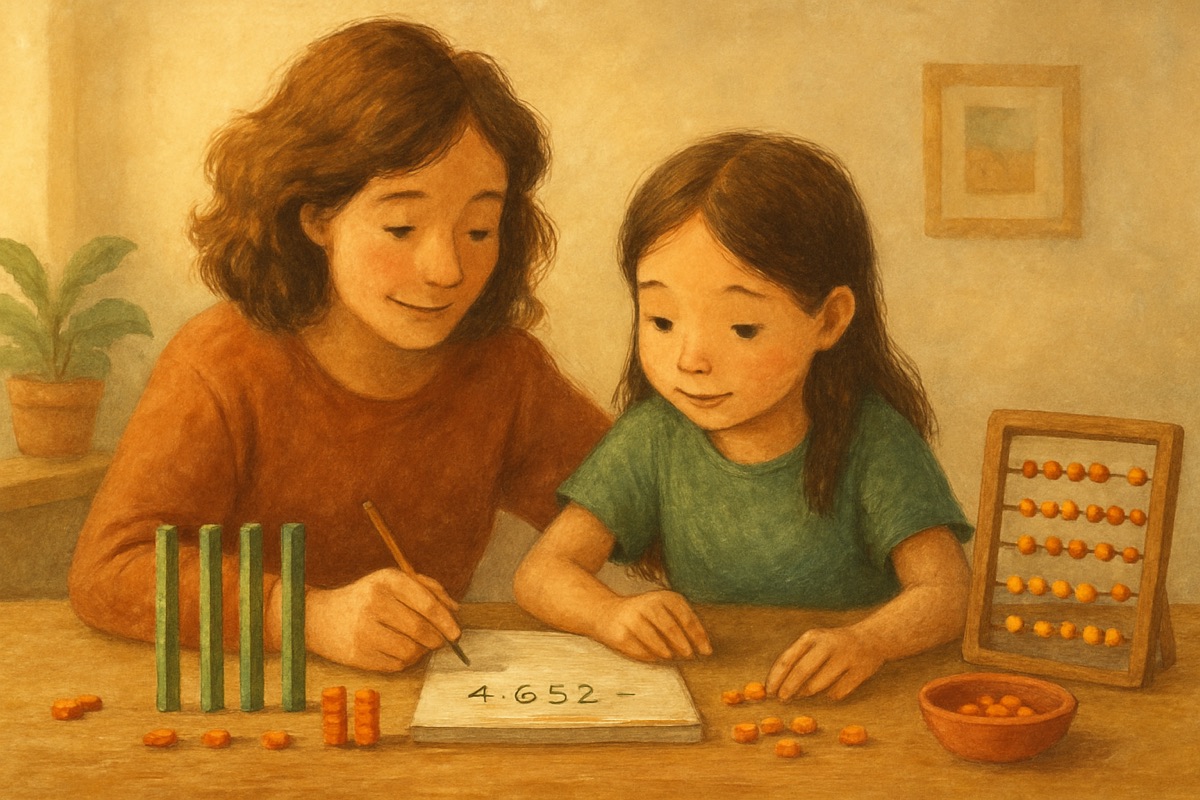
Place Value to the Millions: Helping Kids Read Big Numbers Confidently
The commas are the secret. Once a kid learns to read big numbers by the groups between the commas, the millions stop being scary.
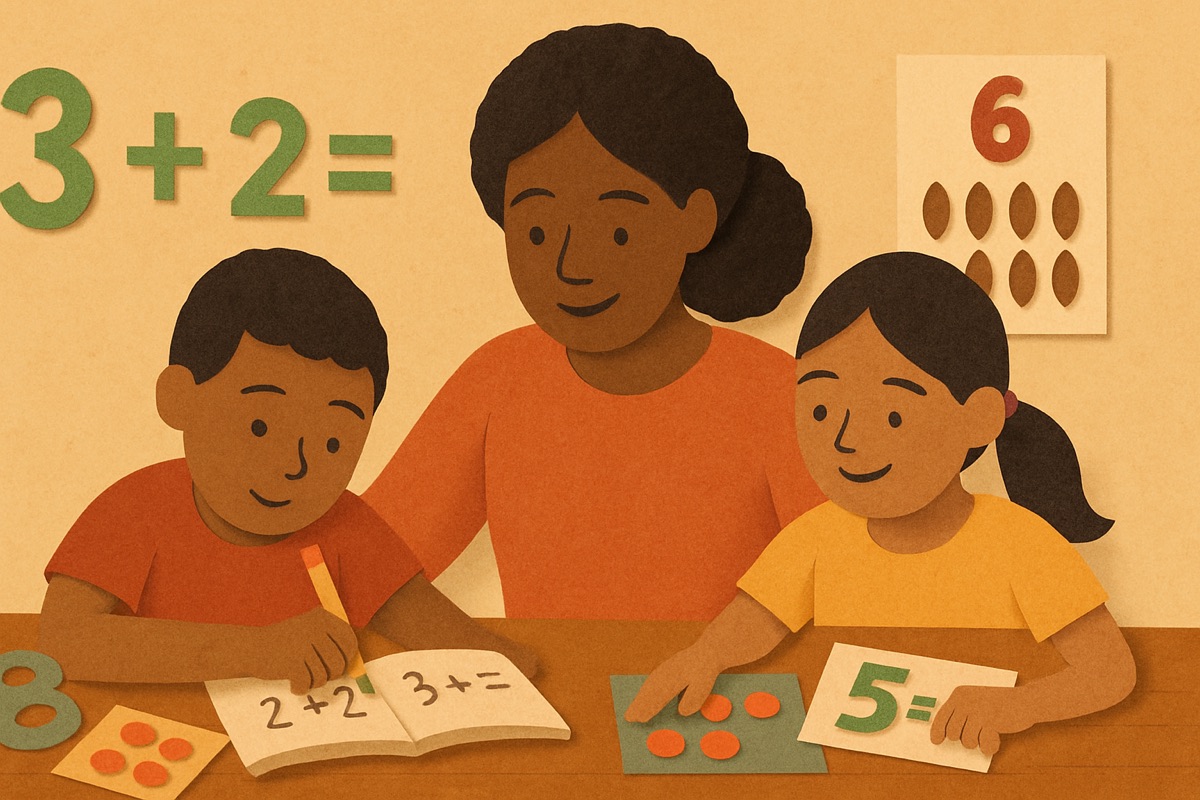
Fact Fluency by Grade: What's Reasonable to Expect in Grades 1 Through 5
A grade-by-grade look at what fact fluency really means, what to expect from first through fifth, and why speed drills aren't the answer.
Grades Aren't the Goal: What To Focus On Instead for Lasting Math Confidence
A perfect report card can hide a kid who is one hard year away from falling apart. Here is what to watch instead, and why it matters more.
Place Value Isn't Clicking: The Foundation Behind So Many Struggles
When later math keeps falling apart, the real problem is often place value. Here's how to spot the gap and rebuild it so the rest of math stops breaking.

Subscriptions That Quietly Renew: Auditing the Cost of a Math App
That $9.99 math app your kid used twice is still charging you. Here's how to find every quiet renewal and decide which subscriptions are actually earning their keep.
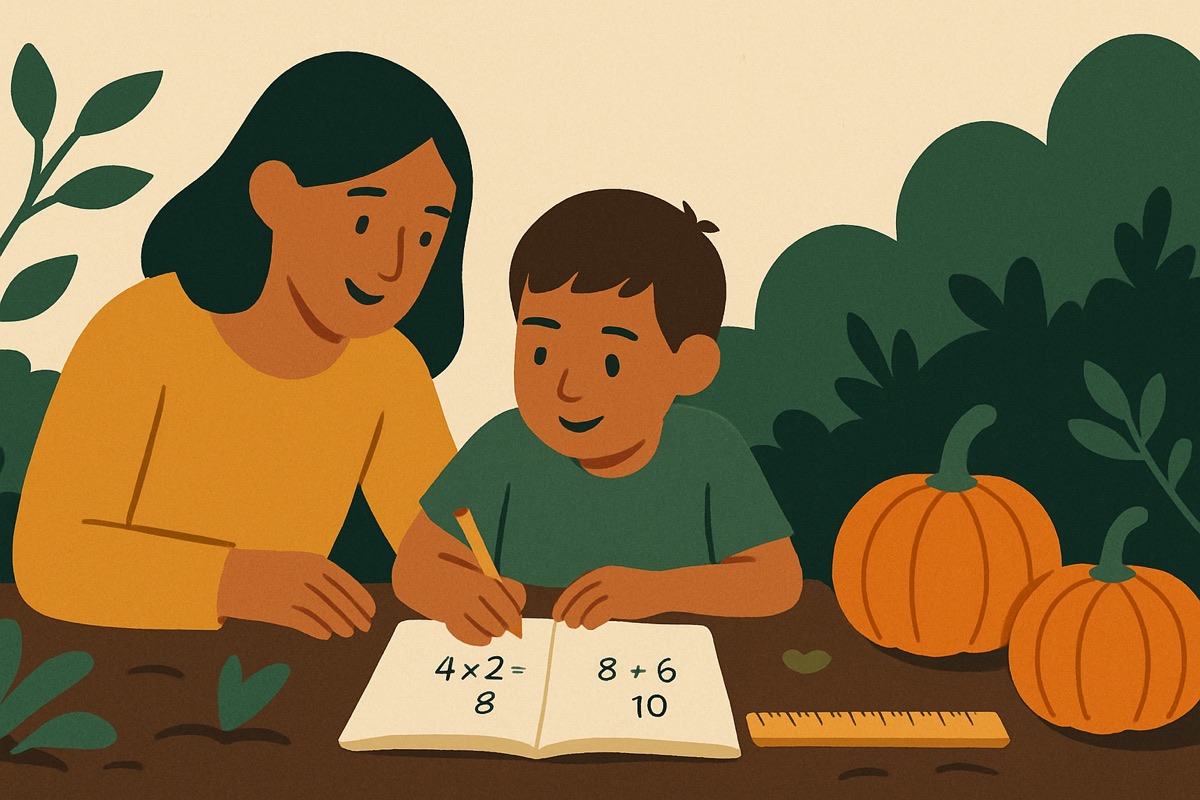
Garden Math: Measuring, Spacing, and Counting the Harvest
A seed packet is a word problem in disguise. Here's how planting a small garden bed quietly teaches measuring, spacing, and counting your kid will remember.
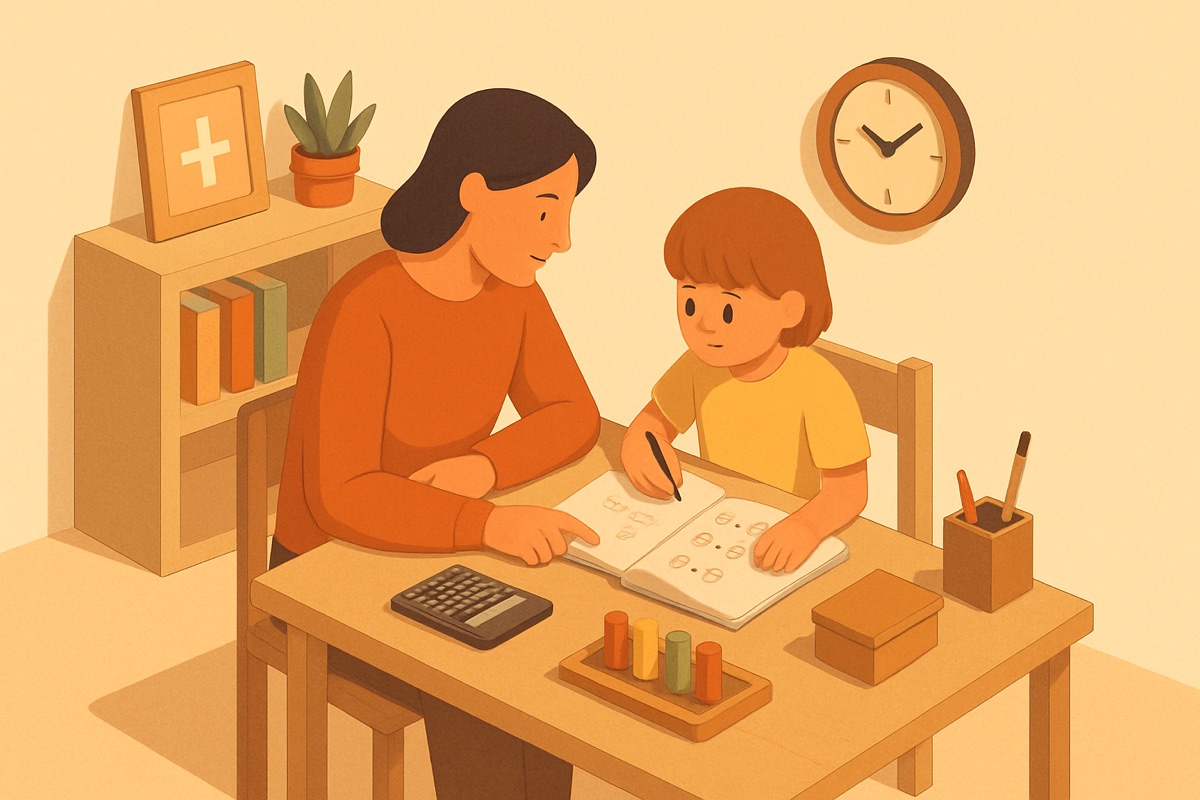
Building a Home Math Corner With Stuff You Already Own
You already own everything you need for a math corner. Here's how I'd set one up with buttons, coins, and a shoebox, and what each thing is actually for.
What Kindergarten Math Homework Should (and Shouldn't) Look Like
A five year old with a math packet and a meltdown is a common sight, and usually a sign something's off. Here's what kindergarten math should really look like.
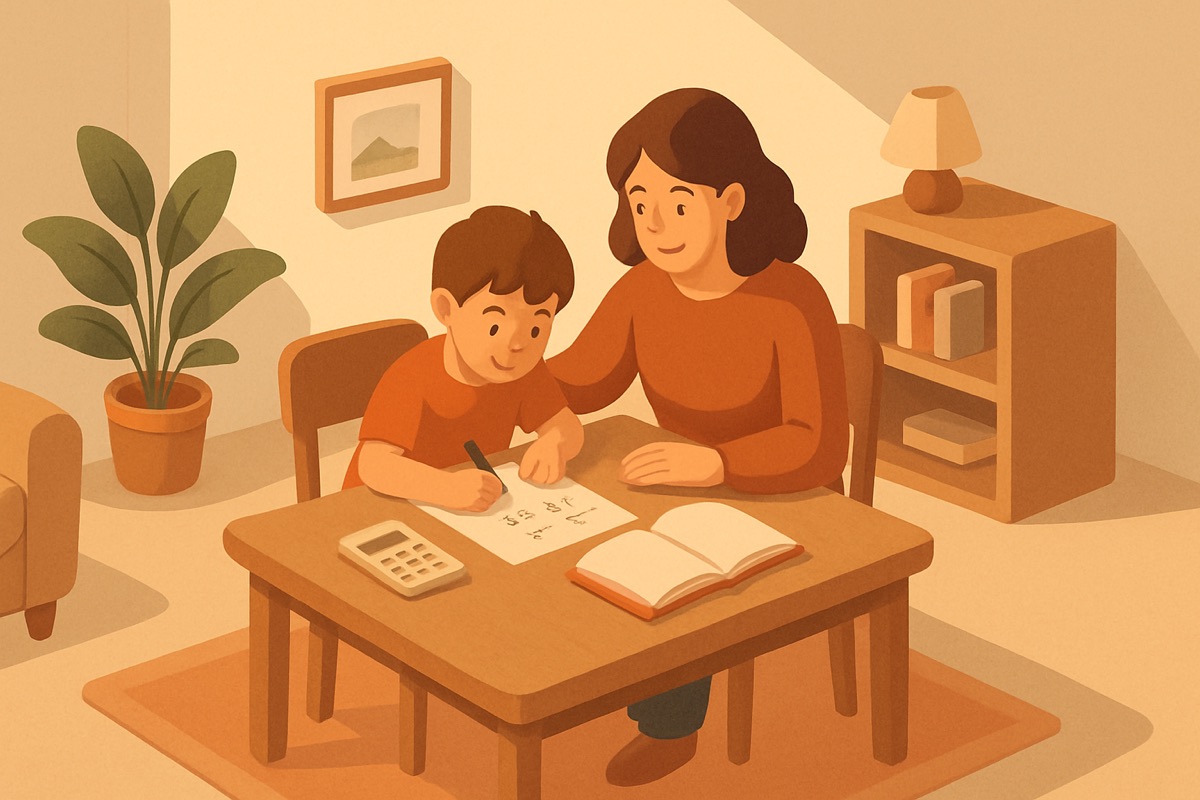
Practice Over Winter and Spring Break Without Ruining the Vacation
A week off doesn't wreck math skills, but three weeks of nothing can. Here's how to keep the rust off over break without turning vacation into school.

When Your Kid Says 'The Teacher Does It Differently'
You show your kid the way you learned subtraction, and they tell you the teacher does it differently. Here's how to help without starting a small war.
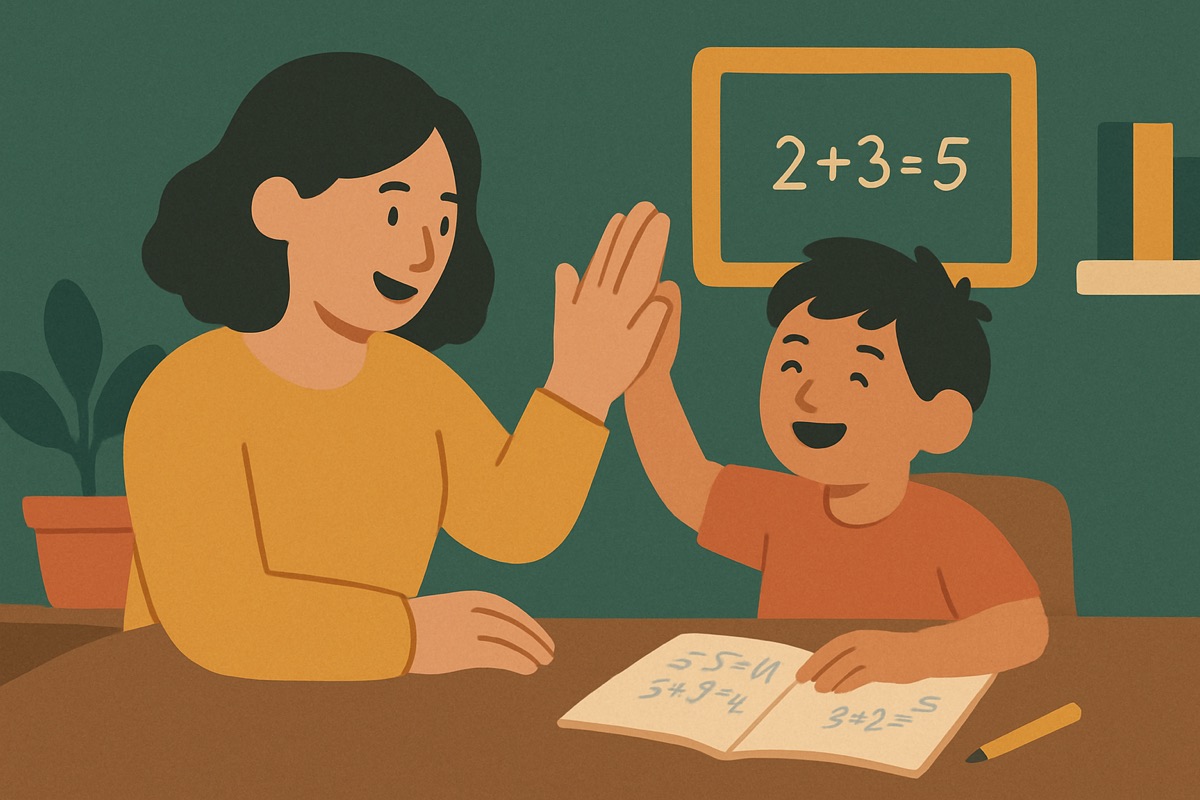
When Your Kid Gives Up the Second Math Gets Hard
The pencil goes down, the eyes go glassy, and you hear 'I can't do this.' Here's what that moment actually means and how to work through it without a fight.
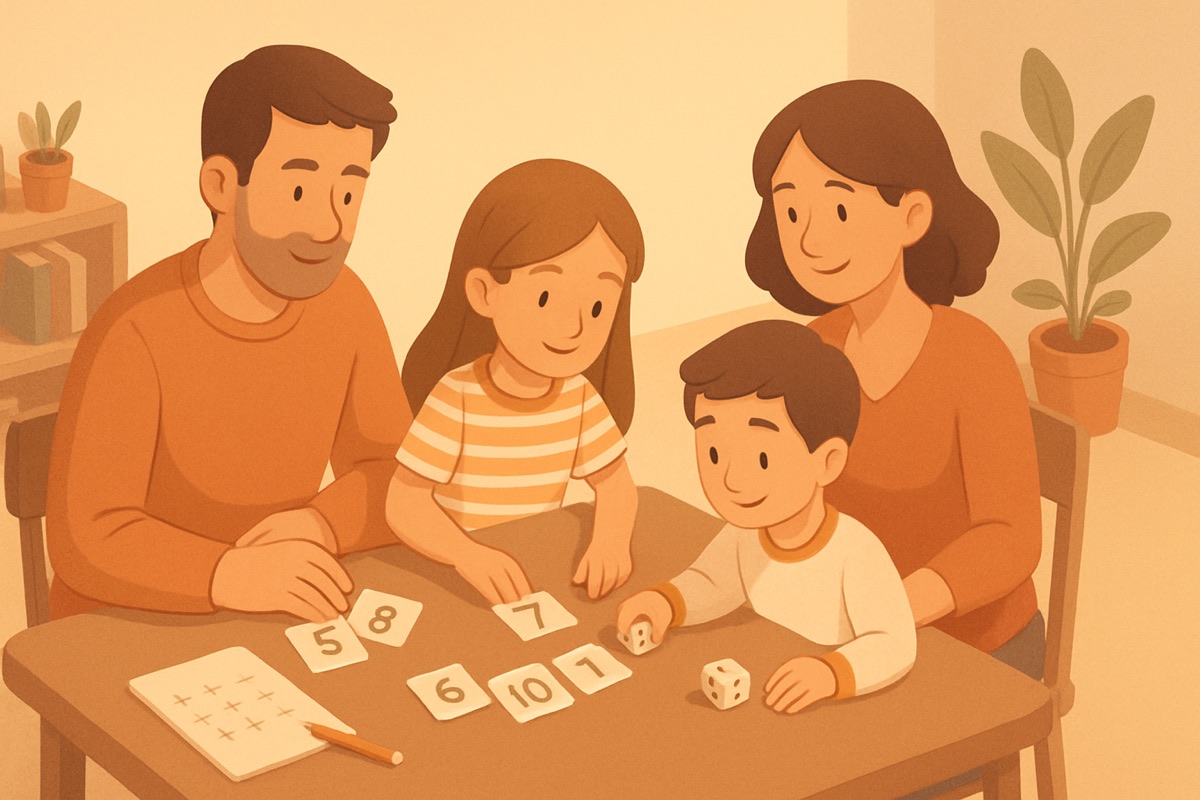
Cooperative Math Games Where the Family Wins Together
The fastest kid always wins competitive math games. These cooperative versions put everyone on the same team, so practice feels like fun instead of a race.
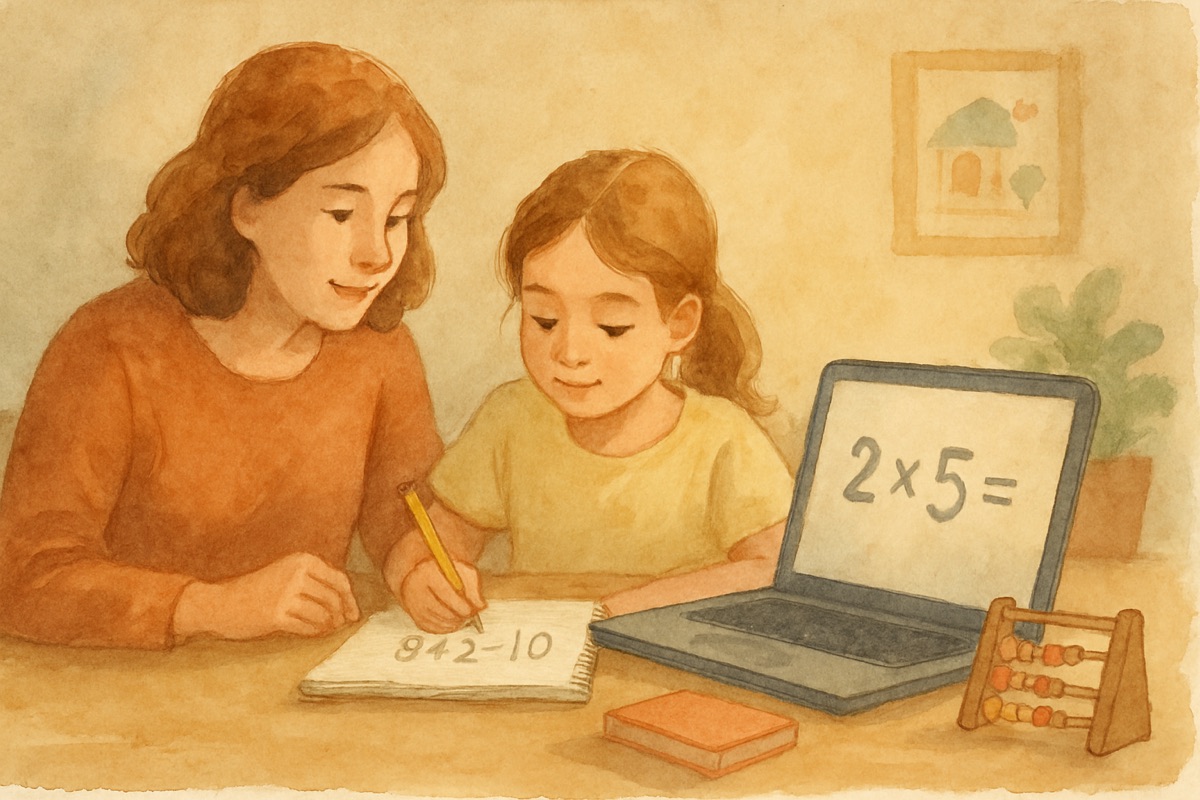
Ads Inside Kids Apps: What's Legal, What's Sketchy, and How to Kill Them
How ads in kids apps really work under the hood, which ones cross a line, and the concrete steps that actually get rid of them.
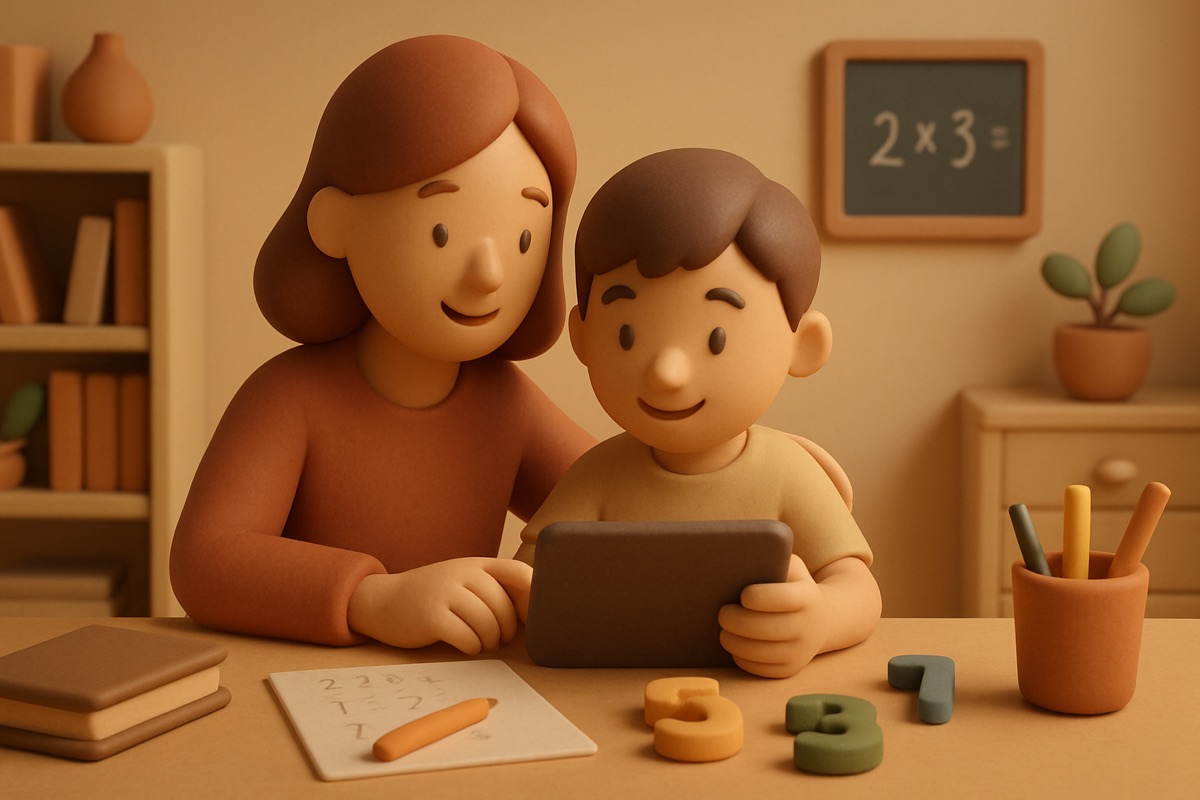
How to Move a Kid From Watching to Doing on the Same Device
Same tablet, same twenty minutes, completely different effect on your kid's brain. Here's how to shift from watching to doing without a fight.
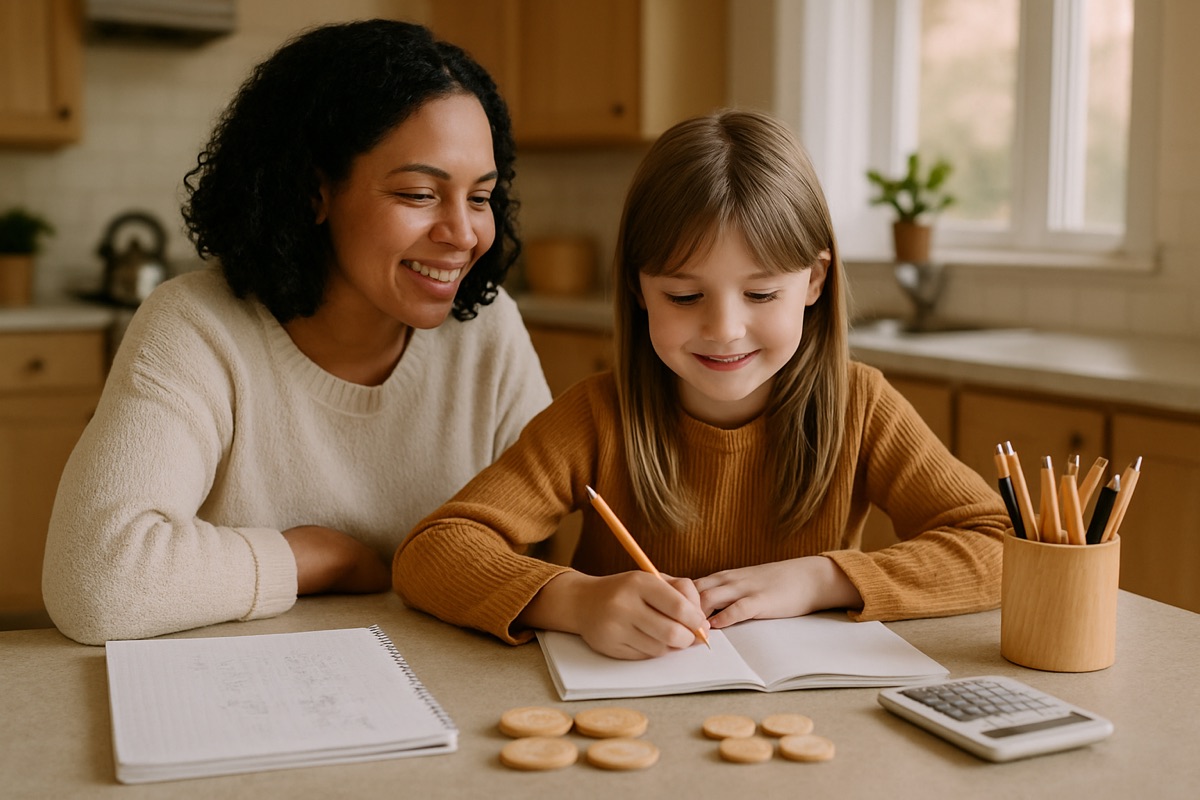
Fractions of a Set: Half of a Group Is Different From Half of a Cookie
Kids who nail half of a pizza often freeze at half of a bag of grapes. Here's why the jump is hard and how to make it click at the kitchen table.
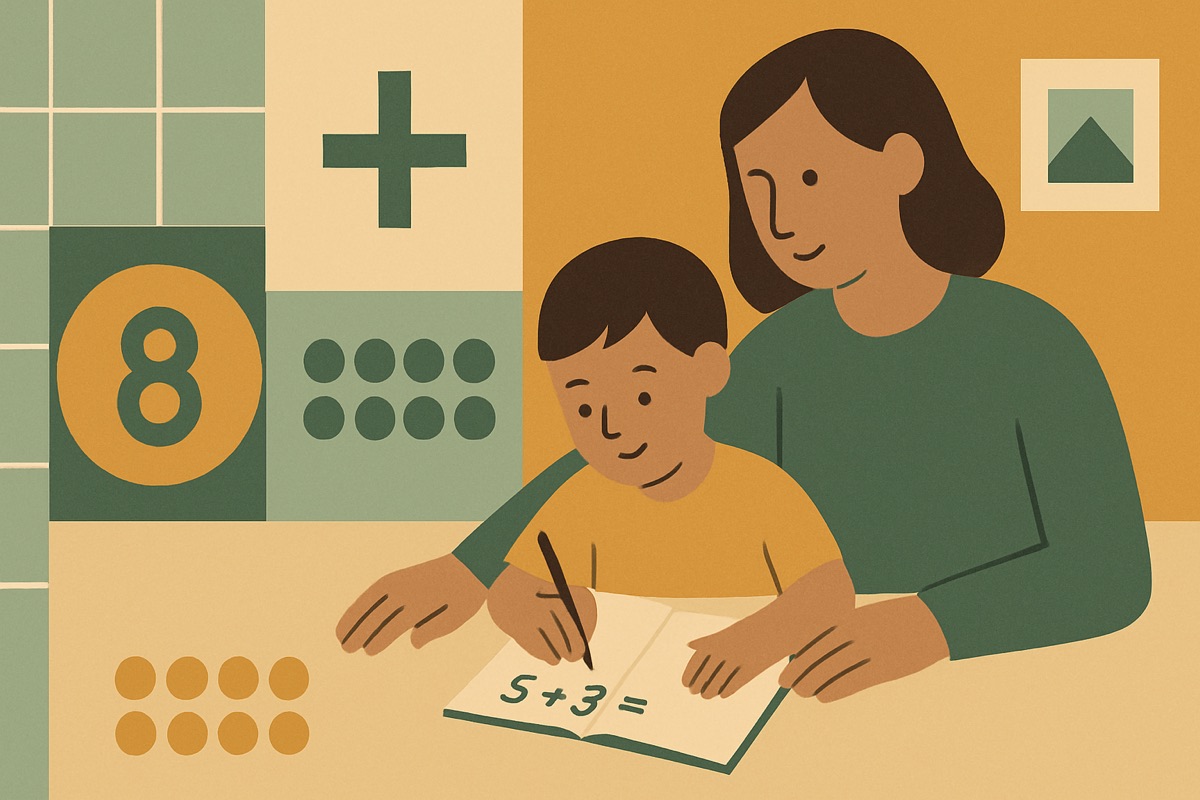
Building Addition Fluency Without a Single Worksheet
My most fluent students weren't the ones who did the most worksheets. They were the ones who played the right games often enough to stop counting on fingers.