The Right Way to Use Prizes So They Fuel Learning, Not Replace It
The sticker that stopped working in March
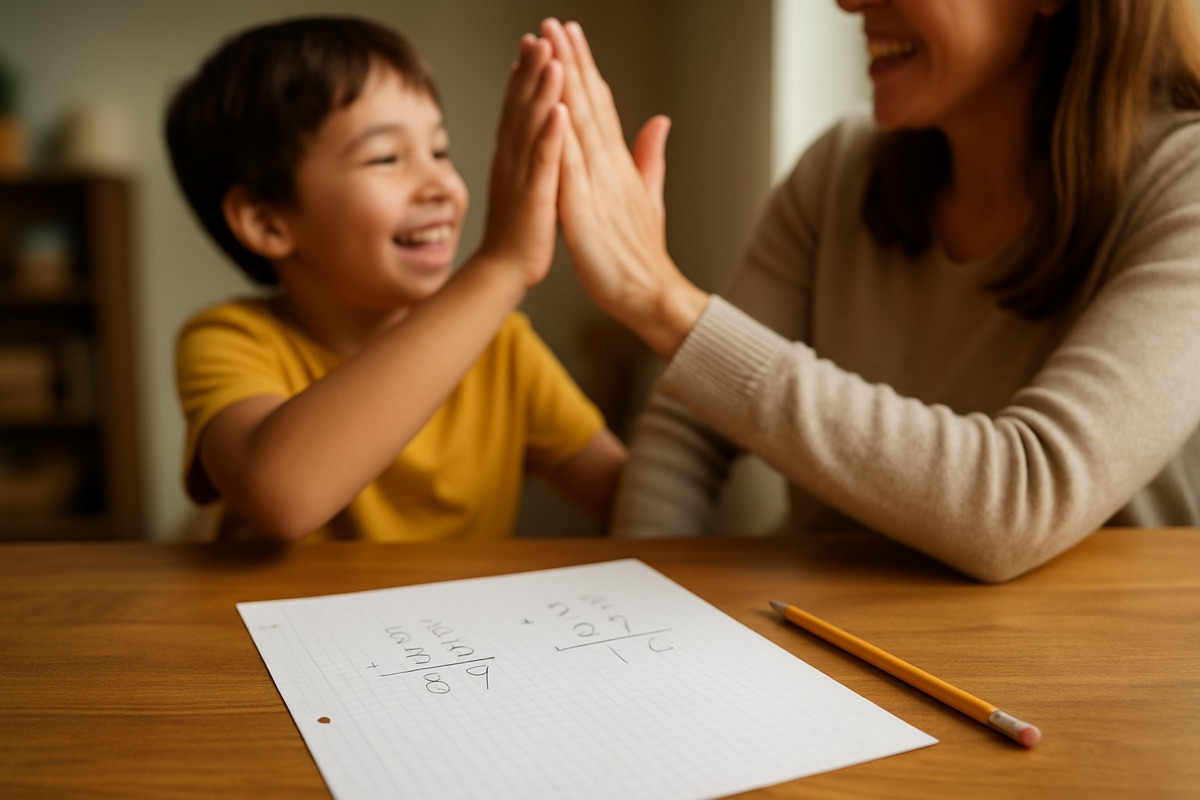
Consider this illustrative family example, not a customer account. A parent starts a reward chart in September: a sticker for every worksheet, a toy at ten stickers. At first the child is happy to join in. Later, the child asks how many stickers a page is worth before picking up a pencil. By March, requests for bigger prizes have become part of the routine.
The example raises a question about the reward rule, not a judgment about the child: what exactly are you recognizing? If you use prizes to encourage practice, decide what you want to notice and review whether the arrangement still fits the learning task.
Reward the thing you actually want more of
Here's a trap to watch for: rewarding volume alone. Finish the page, get the sticker. Do twenty problems, earn the prize. Ask whether a child could earn the same reward by rushing, guessing, or choosing only the easiest problems. Completing a page does not tell you what the child understood.
Flip it. Pay for the behavior you'd be thrilled to see more of.
- Reward effort on hard problems, not completed pages. "You stuck with that one for five minutes and didn't quit" is worth more than "you finished."
- Reward strategies, not just right answers. If they explain how they got there, that's the good stuff. Guessing lucky and moving on is not.
- Reward showing up, especially early. A kid who practices ten minutes a day for a week has built something real. That deserves a prize more than a lucky perfect score does.
Treat the reward rule as something to review, not proof that a habit or understanding has improved. Look at the work and ask the child to explain a strategy as well as counting what they completed.
Prizes start the engine, they don't run it
There's a real fear behind all this, and it's a fair one. Parents worry that if they hand out prizes, the kid will never want to learn for its own sake. That external rewards will crowd out the internal drive we actually want.
One situation to watch for is a child asking only about the prize while still finding the work confusing or frustrating. That is a reason to review the task and the support available, rather than assuming a bigger prize is the answer.
Think about it from the child's side. A prize might help them get started, but starting is not the same as understanding. Make room to notice a step they can explain or a problem they can now solve. A reward does not guarantee that they will keep practicing after the prizes stop.
Choose the learning task and the support first, then decide whether a small reward belongs in that plan. The prize is an optional addition, not a substitute for helping with the work.
Keep the prizes small, frequent, and honest
A distant, expensive prize can make a plan harder to manage. A new video game for a good report card asks a family to connect tonight's short practice with an outcome months away. Consider whether a smaller, nearer choice would be easier to explain and afford.
Small, low-cost options to consider:
- Cheap and immediate wins. Pick the movie Friday, an extra bedtime story, choosing dinner. These options can keep the budget small and give the child a choice.
- Effort-based, not outcome-based. "You practiced every day this week" describes an action. "You got 100" describes a result. Choose a rule the child can understand and reasonably control.
- A ticket or point system is another option. Math Prizes can send earned tickets to Parent Prize Portal, where a parent chooses the prizes and their ticket prices. That records the reward arrangement; it does not establish what the child understood or automatically assess effort and strategies.
When to start letting the prizes fade
The goal isn't prizes forever. It's a kid who eventually practices because they can and it feels good. So plan the exit from the start.
Look for moments when the child starts a problem or talks about a strategy without first asking about a prize. Those moments are cues to discuss the plan, not a guarantee that a habit has formed. Specific attention such as "You figured that out on your own, didn't you" can be part of that conversation.
If you want to space the material rewards further apart, agree on the next rule with the child. You might try a prize for a week of practice instead of every day, then review the arrangement together.
In the illustrative sticker-chart example, the next step could be a smaller reward, a clearer rule, or a pause to see what support the child needs. There is no promised outcome. Keep any reward affordable, connect it to an agreed practice action, and review the plan with the child.