All articles
Every guide in the Math Prizes resource hub, newest first. Page 4 of 16.

Does Screen Time Really Hurt Reading? What Actually Moves the Needle
The link between screen time and reading is messier than the headlines suggest. Here is what the research actually shows, and the handful of habits that matter.
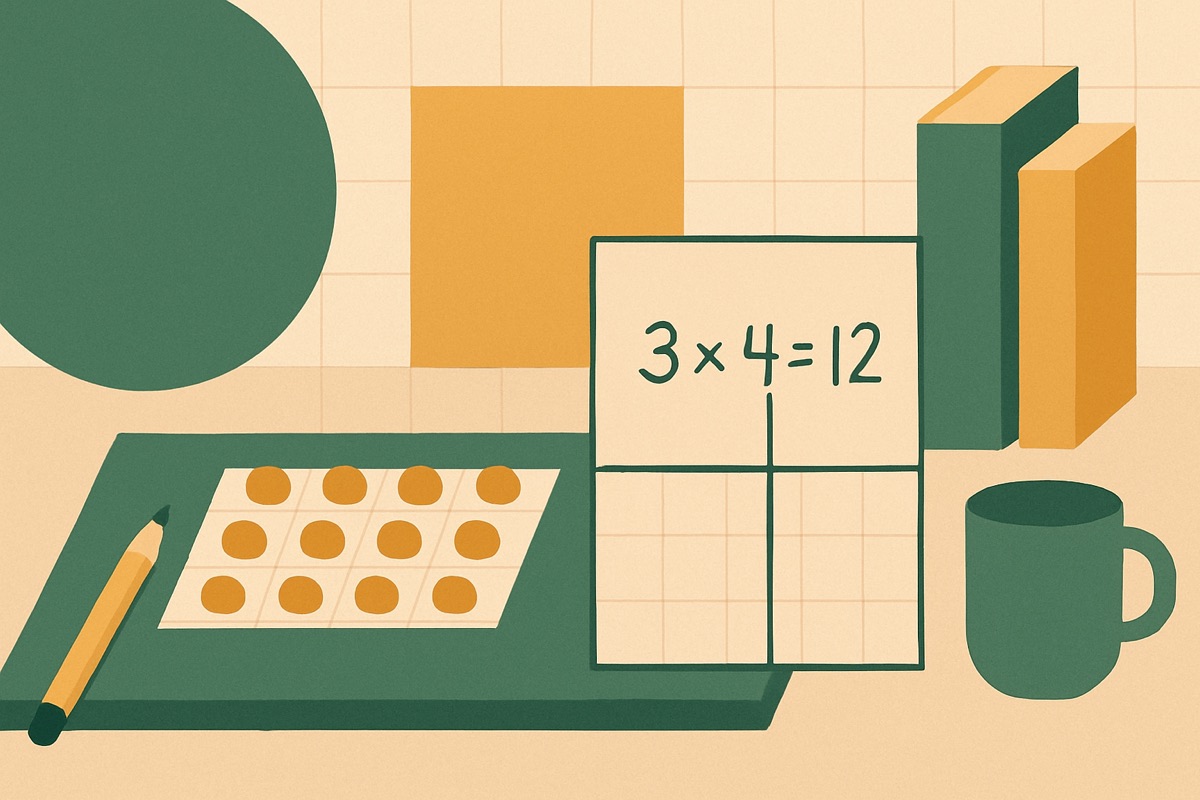
The Area Model: Why Your Kid Multiplies With Boxes Now
Your kid multiplies 23 times 47 by drawing a grid of boxes, and you have no idea why. Here is what the area model teaches and how to help at home.
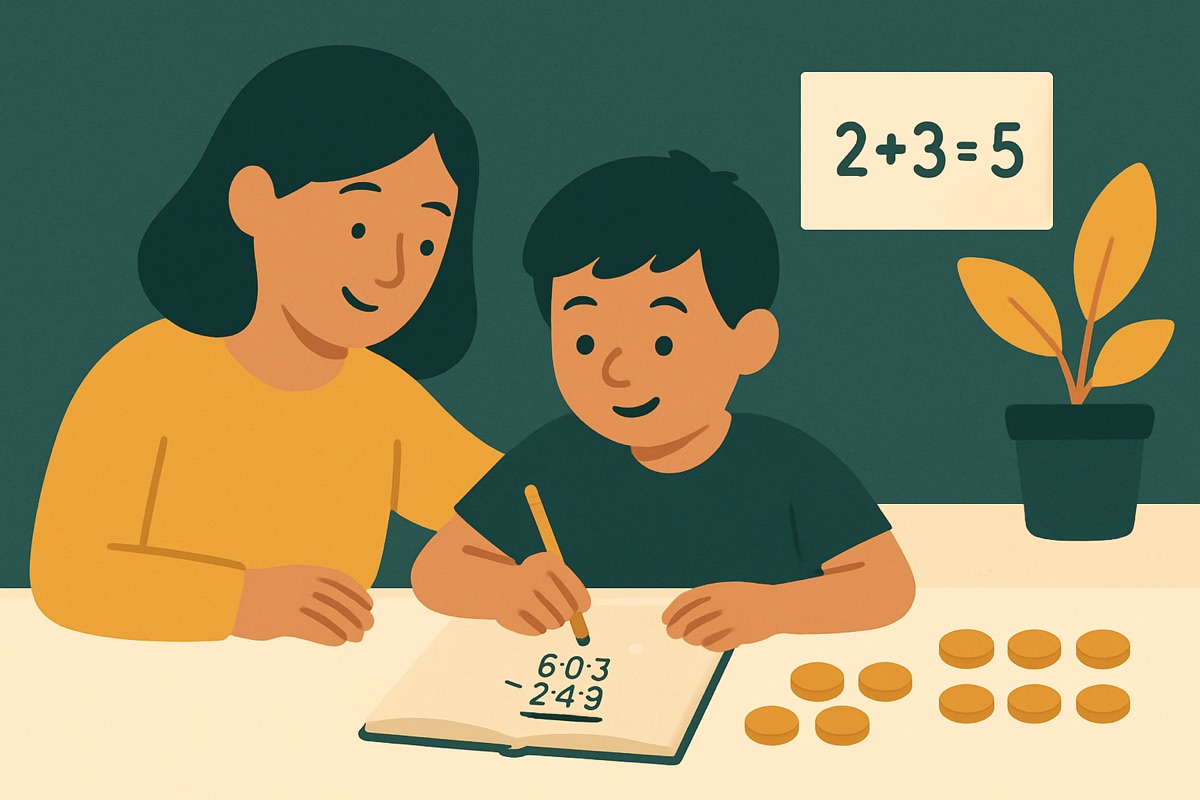
Subtraction Across Zeros: The Fact-Fluency Gap Nobody Talks About
Knowing subtraction facts and regrouping across zeros are different skills. Try two worked examples and check the answers with addition.
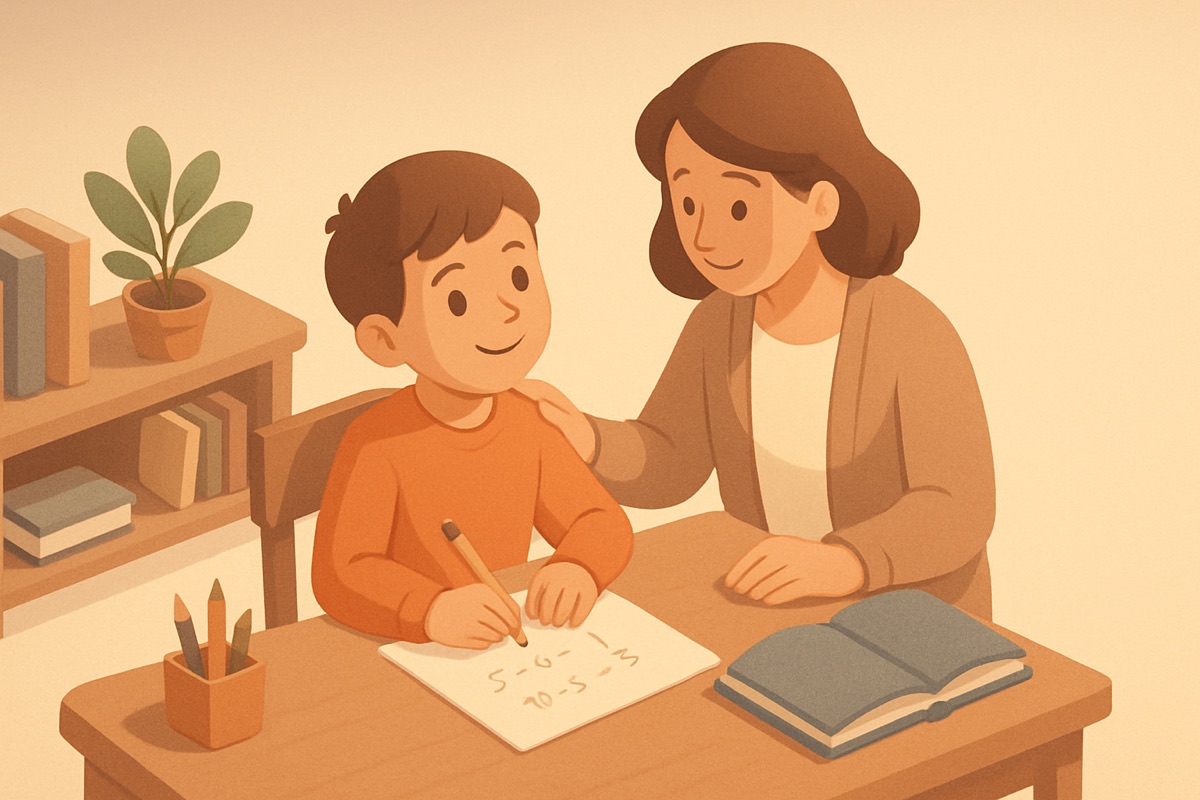
Homework Shutdown: Reading the Anxiety Behind 'I Won't Do It'
When a kid throws the pencil and says 'I won't do it,' that is usually fear talking, not defiance. Here is how to tell the difference and what to do next.

How To Spot Mindless Grinding in a Math App (and What Real Practice Looks Like)
Your kid did 200 problems and learned nothing. Here is how to spot the difference between mindless grinding and the kind of repetition that actually builds skill.
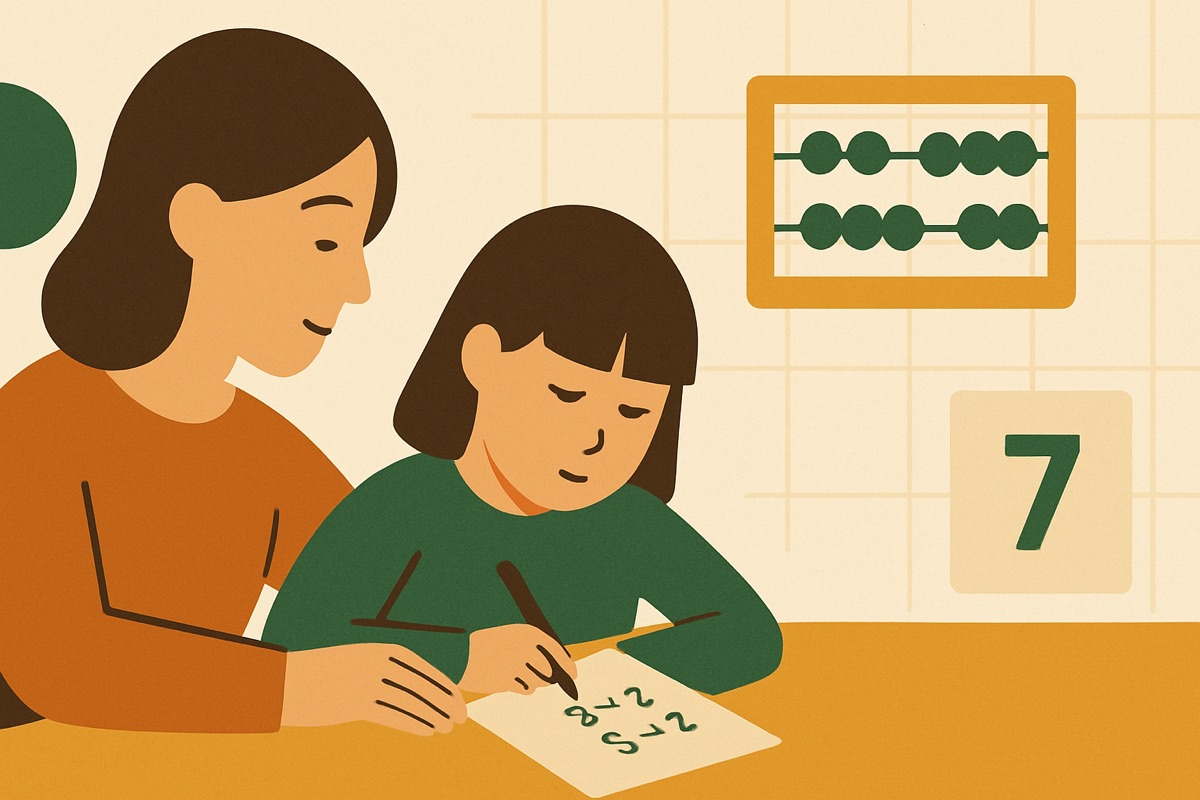
Does Speed Matter? Judging Timed Practice Features in Math Apps
Every math app slaps a timer on the screen. Some clocks build fluency and some just add pressure. Here is how to tell which one you are looking at.
Vacation Budget Math: Let Your Kid Help Plan the Trip
Hand your child a slice of the vacation budget and watch fractions, subtraction, and decisions get real. Here is how to do it without ruining the trip.

Is My First Grader Ahead or Just an Early Reader of Numbers?
A kid who rattles off numbers fast looks advanced. A teacher explains the difference between quick recall and real understanding, and how to check which one you've got.

What Makes a Good Math Practice App (From Someone Who Builds Them)
The features that sell a math app in the store are rarely the ones that teach. Here's what actually matters, from someone who spends his days building one.

Using Your Kid's Homework App the Right Way (Not as a Babysitter)
A homework app can help your kid learn or quietly do the thinking for them. Here's how to tell the difference and set the thing up so it actually teaches.

Why Your Kid Says Math Is Boring (and Five Fixes That Aren't Bribes)
When a kid calls math boring, they usually mean something more specific. Here's what the complaint hides and five ways to fix it without handing over screen time.
Skip Counting Games That Build the Bridge to Multiplication
Before a kid can multiply, they need to feel the rhythm of counting by twos and fives. These skip counting games build that bridge without a worksheet.
Kids and Passwords: Teaching Basic Account Safety Before Age 10
You don't need to scare a kid to keep their accounts safe. Here's how I taught mine the password basics, in plain language, before they turned ten.

Signs Screen Time Is Cutting Into Sleep (and the One Change That Fixed It)
A tired third grader can look a lot like a struggling one. Here are the signs screens are eating into sleep, and the one change that turned it around.

Long Division, Finally Made Clear for the Parent Helping at the Table
Long division falls apart when a kid chants the steps without knowing why. Here is how to teach it so each step actually means something.
Multiplication Facts for the Kid Who Says 'I'm Just Bad at This'
When a kid decides they're bad at multiplication, more flashcards make it worse. Here is how to rebuild the facts and the confidence at the same time.

How To Reframe a Bad Math Grade So It Builds Instead of Breaks
A low math score can teach a kid they're bad at math, or it can teach them exactly what to fix. The difference is the first thing you say.

Is a Math App Actually Helping My Struggling Kid, or Just Keeping Them Busy?
Your kid uses the app every day and the grades haven't moved. Here is how to tell whether it's teaching them or just filling twenty quiet minutes.

How to Try a Math App With Your Kid Instead of At Them
Handing a kid a math app and walking away is the fastest way to waste it. Here is how to sit down for the first ten minutes and get it right.
Beach and Pool Math: Counting Laps and Estimating Depth
The pool is full of math nobody assigned. Laps, depth, timing, and towels all hide real numbers, and summer is the easiest time to let a kid notice them.
A Realistic Weekly Math Plan for the Whole Family
Most family math plans assume a calm, empty week that nobody actually has. Here's one built for the real thing, with short slots and permission to skip.

The Fourth-to-Fifth Grade Math Bridge: Decimals Are Coming
Fifth grade opens with decimals, and the kids who struggle aren't bad at decimals. They're shaky on the fraction and place-value ideas underneath them.

Using a Math App for Daily Practice Without Creating a Screen Fight
The problem usually isn't the math app. It's the handoff when the timer runs out. Here's how to build a daily habit without the meltdown at the end.
When Homework Turns Into a Power Struggle, Try This
The nightly homework fight isn't really about the homework. Here's how to step off the enemy side of the table and turn it back into ten quiet minutes.