When Homework Turns Into a Power Struggle, Try This
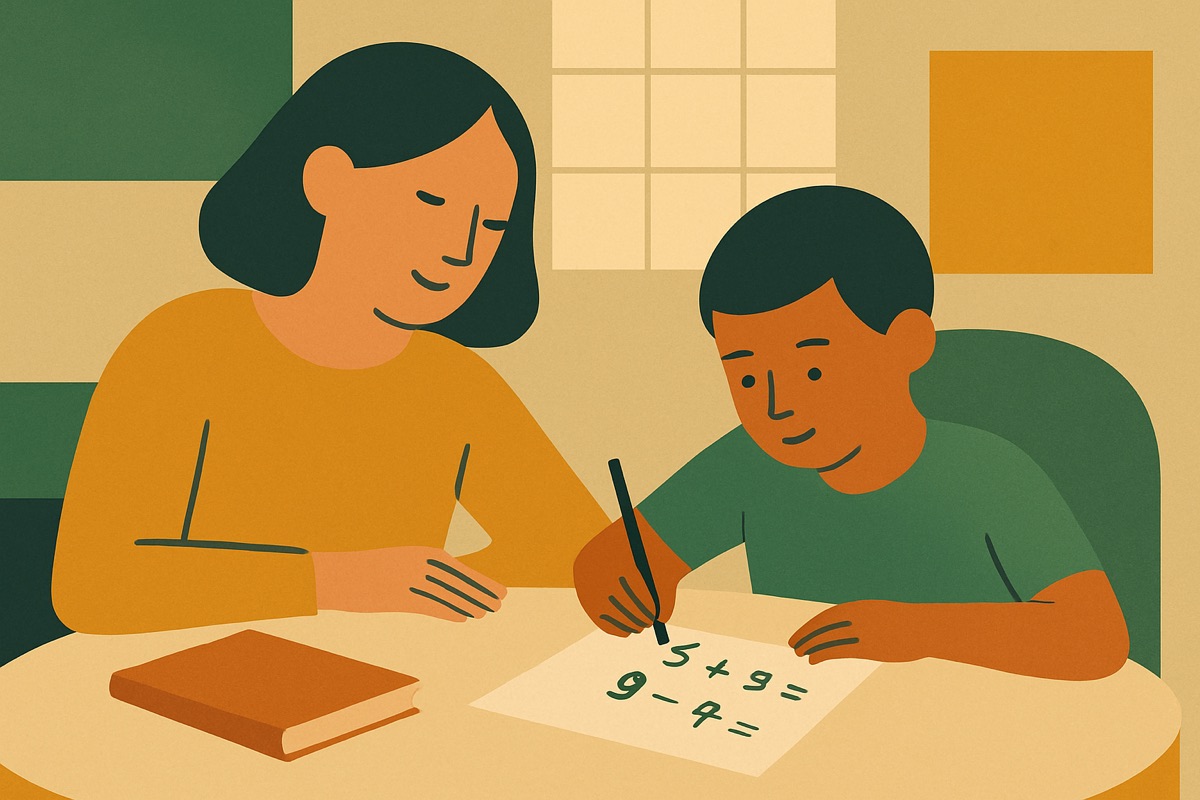
By 6:30 most nights it was the same scene. Worksheet on the table, my son slumped in the chair like the bones had left his body, me standing over him getting tighter by the minute. He'd write one number, then stare at the wall. I'd remind him. He'd write another. Twenty minutes of real work would stretch into ninety minutes of misery for both of us. That's a homework power struggle, and if you're living one, I want you to know it's fixable, and it's usually not really about the homework at all.
I've taught for sixteen years and lived this at my own kitchen table, so I'm not handing you theory. A power struggle over homework is a fight about control. The more you push, the harder a kid digs in, because the one thing they can still control is refusing. The fix isn't a better threat. It's getting yourself off the other side of the table.
Figure out what the fight is actually about
Before you change anything, watch for a couple of nights. A kid who won't do homework is usually telling you something, and it's rarely "I'm lazy."
- If they melt down the second they see the page, the work might be too hard, and the refusal is protecting them from feeling stupid.
- If they're fine until minute five and then fall apart, they might just be fried after a long school day.
- If they'll do anything else in the house first, it might be a control thing, plain and simple.
- If it's one subject every time, the problem is that subject, not homework in general.
You handle each of these differently. Fighting harder handles none of them. My son's stalling turned out to be exhaustion. He'd been "on" since 7am and had nothing left at 6:30. Once I saw that, the whole fight looked different.
Move the timing before you move anything else
The single change that helped us most had nothing to do with attitude. It was when. We'd been doing homework right before dinner, at the exact moment his tank was emptiest. We moved it to after a snack and twenty minutes of running around outside, and half the battle just evaporated.
Kids are not small adults who can grind on demand. A tired brain fights everything. So try the boring stuff first. Feed them. Let them move. Some kids do better right after school before they get too comfortable, some need a real break. There's no universal right answer, but there's a right answer for your kid, and you find it by experimenting, not by insisting the current time should work.
Get on the same side of the table
This is the mindset shift that ends most power struggles, and it's harder than it sounds because it means changing what you do, not just what you say.
Sit next to your kid, not across from them. That sounds small, but across-the-table is the posture of an interrogation, and beside-them is the posture of a teammate. Then make the homework the shared enemy, not the kid. "Ugh, this worksheet is a lot. Let's figure out how to get it done fast so we can be finished." Now you're both against the worksheet instead of you against them.
A few things that keep you on the teammate side:
- Break it into chunks. "Just the first three problems, then we take a two-minute break." A wall of twenty problems is where kids give up. Three feels doable.
- Let them own some choices. Which subject first? Pencil or marker? Kitchen or floor? Small choices give back the control they're fighting for, and it costs you nothing.
- Stop hovering. Get them started, then step back. Sitting on top of a kid signals you don't trust them to do it, and they'll rise or sink to meet that.
Hold the line on the things that matter
Getting off the enemy side doesn't mean going soft. It means being calm and firm at the same time, which is a very different thing from being loud.
Homework still gets done. You just stop making its completion a personal battle of wills. State the boundary once, plainly, and then stop repeating it. "Homework happens before screens. When it's done, you're free." Then you don't nag, you don't bribe, you don't renegotiate every five minutes. The rule is the rule, and it's boring, and boring is exactly what takes the charge out of a power struggle. A kid can't fight with someone who won't fight back.
And keep it in proportion. If a "twenty-minute" assignment is eating your whole evening night after night, that's worth an email to the teacher, not another fight with your kid. I would much rather hear from a parent that a worksheet is taking ninety painful minutes than have that family wreck their evenings over my homework. Sometimes the honest answer is that there's too much of it, and that's on us, not on your child.
The night my son and I stopped fighting, nothing magic happened. He still didn't love homework. But I pulled my chair around next to his, we knocked out three problems, took a break, knocked out three more, and were done in fifteen minutes. The homework hadn't changed. I had. Turns out he'd been fighting me, not the math, the whole time.