All articles
Every guide in the Math Prizes resource hub, newest first. Page 3 of 16.
Pattern and Logic Games That Grow Real Math Thinking
Math isn't just facts. It's noticing patterns and reasoning to an answer. These logic games for kids build that muscle, and every one of them feels like play.

Can Kids Learn Math From an App? What the Screen Can and Can't Do
An app can drill facts and free up your evening, but it can't hear the confusion in your kid's voice. Here's what the screen does well and where it falls flat.
How We Handle Screen Time With Two Kids and One Tablet
One tablet, two kids, endless arguments about whose turn it is. Here's the system we landed on for sharing screen time that finally cut the daily fights.
Adding and Subtracting Fractions Without the Tears
The pizza trick that makes fractions click, plus the one rule kids skip that causes most of the tears. A plain guide to adding and subtracting fractions.
Should You Practice Math Facts Over Summer? A Teacher's Honest Answer
Yes, but not the way you're picturing. Here's the honest answer on summer math fact practice, from a teacher who sees what happens in September.
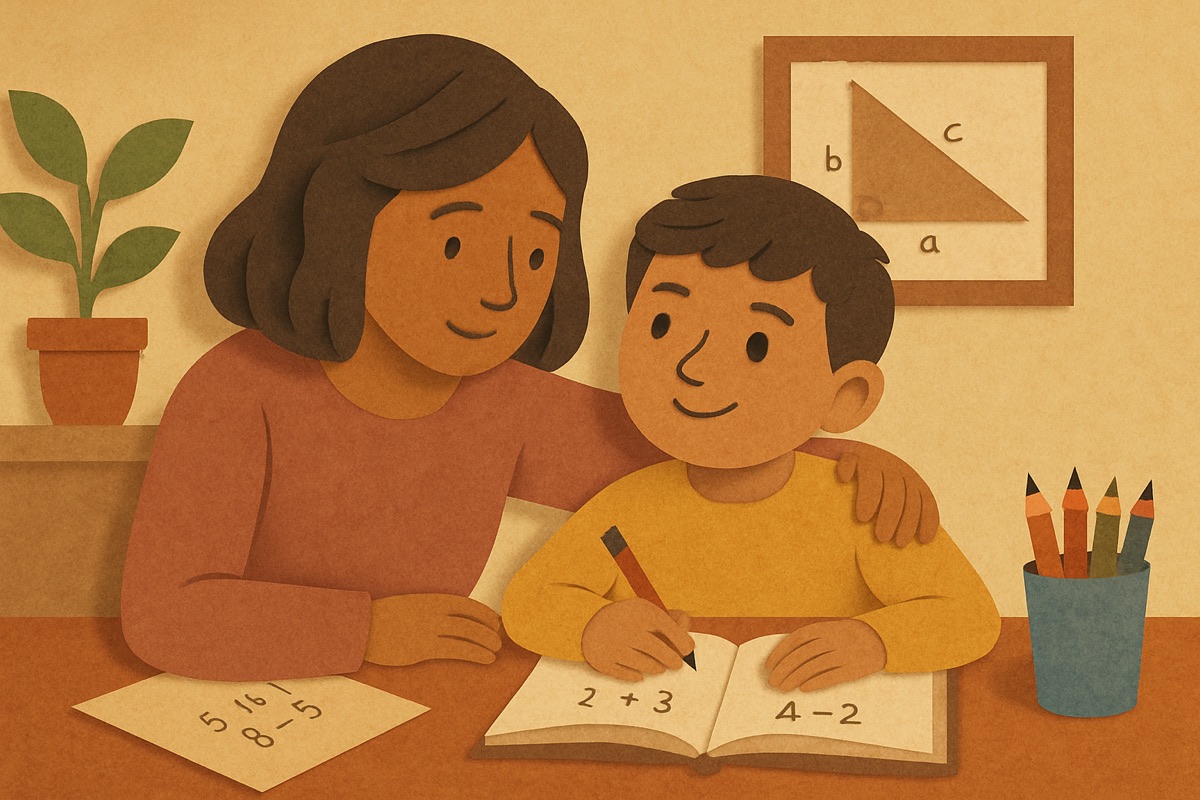
Teaching Your Anxious Kid To Talk Back to the 'I'm Dumb' Voice
When your kid says 'I'm dumb' over a math problem, they believe it. Here's how to teach an anxious child to answer that voice instead of obeying it.

Catching Struggles Early: What Practice Data Can (and Can't) Tell You
App dashboards promise to show you how your kid is doing. Here's what those numbers actually catch, what they miss, and how to read them like the person who built them.

The Hardware Question: Tablet, Phone, or Laptop for Home Math Practice
Tablet, phone, or laptop for home math practice? A developer breaks down what each device actually does well, and the one most families already own.

Setting a Screen-Time-Sane Summer Math Routine on the Tablet
You want the tablet to keep math sharp over summer without becoming an all-day habit. Here's a short, sane routine that does the first without triggering the second.

What a Solid Foundation Looks Like Before Multiplication Begins
Before a kid can truly learn multiplication, a few quieter skills have to be in place. Here's what a teacher watches for, and how to build them at home.
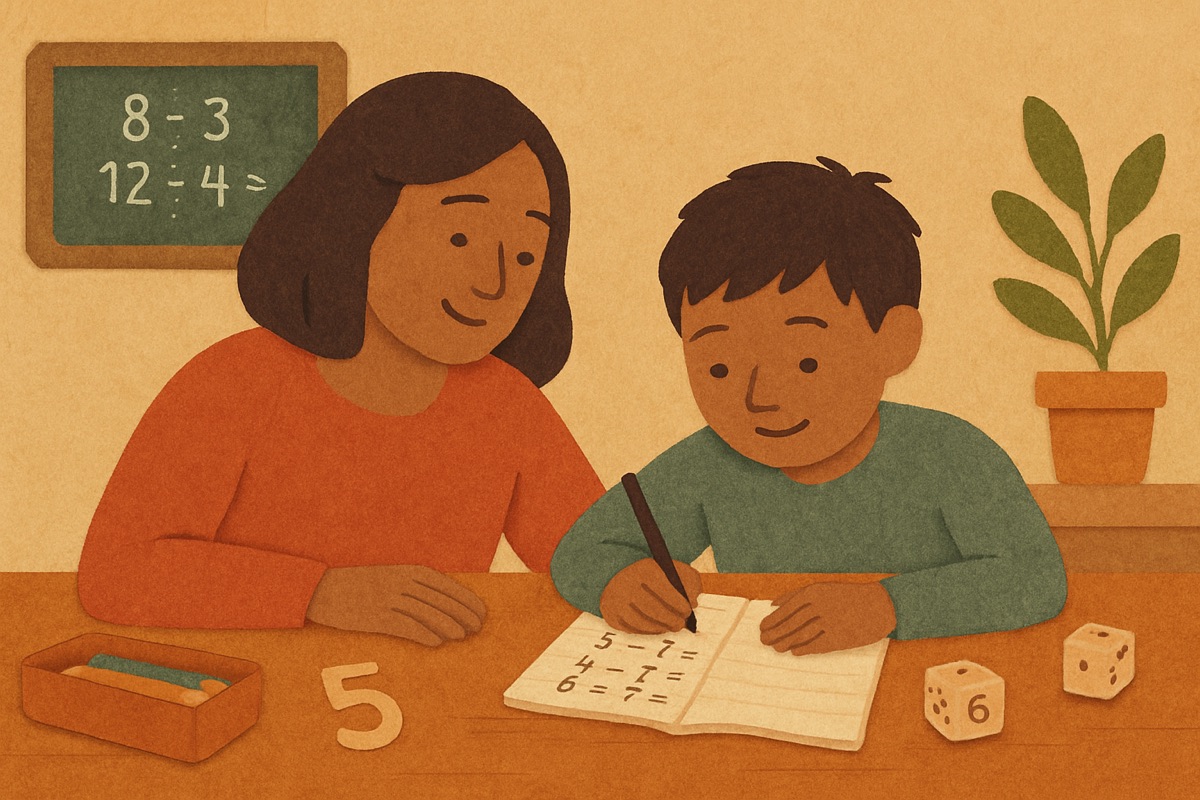
Car-Ride Math: Turning Dead Time Into Daily Practice
The school run is fifteen quiet minutes twice a day. Here's how to turn that dead time into real math practice your kid won't even notice.

Should You Let Your Kid Use a Calculator or Photo-Solver on Homework?
When a calculator actually helps a kid learn, when a photo-solver quietly does the opposite, and how to tell which one is sitting on your kitchen table.

How to Keep Math Motivation Alive Over Summer Break
How to keep math from dying over summer break without turning July into a worksheet slog your kid will fight you on every single day.
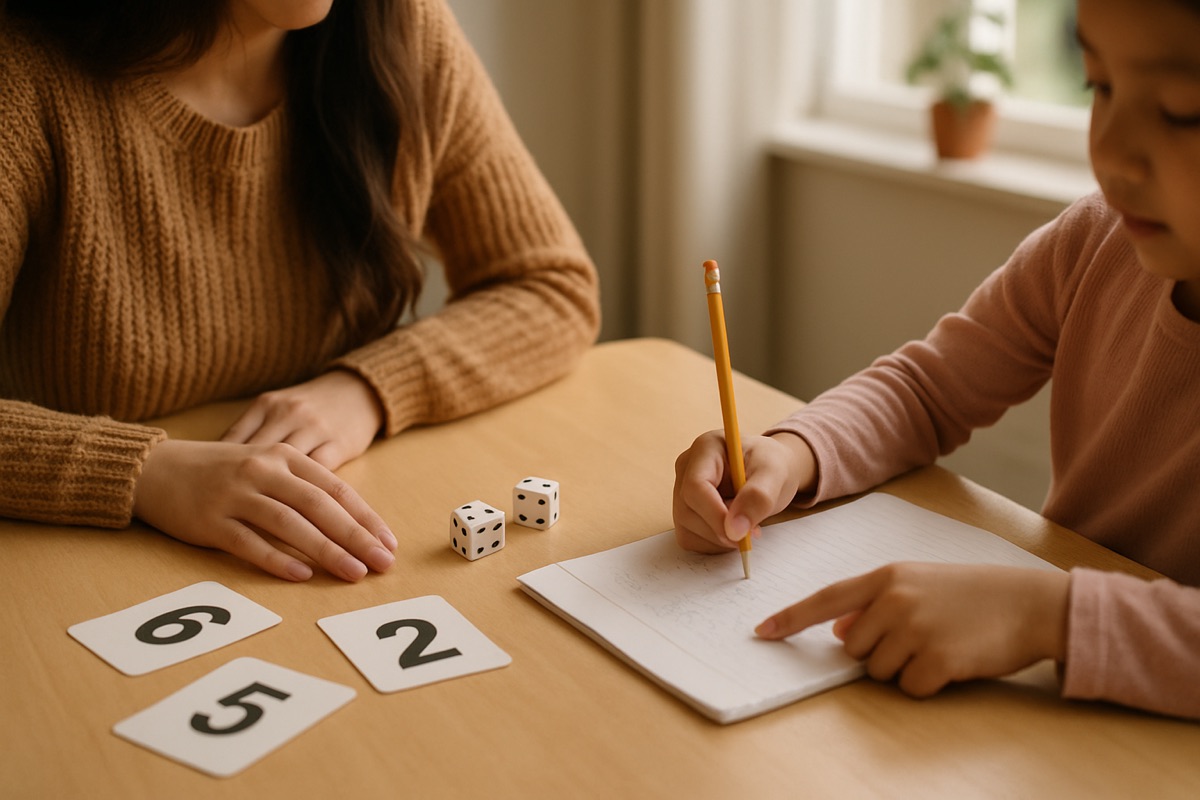
Word Problem Games That Take the Fear Out of Story Math
The reason kids freeze on story math, and the low-pressure word problem games that get them reading, drawing, and solving without the panic.

What a Good Parent Dashboard Should Show You (Most Don't)
Most parent dashboards in learning apps count minutes and stars, not learning. Here is what a good parent dashboard should show, from someone who builds them.

Does Screen Time Really Hurt Reading? What Actually Moves the Needle
The link between screen time and reading is messier than the headlines suggest. Here is what the research actually shows, and the handful of habits that matter.
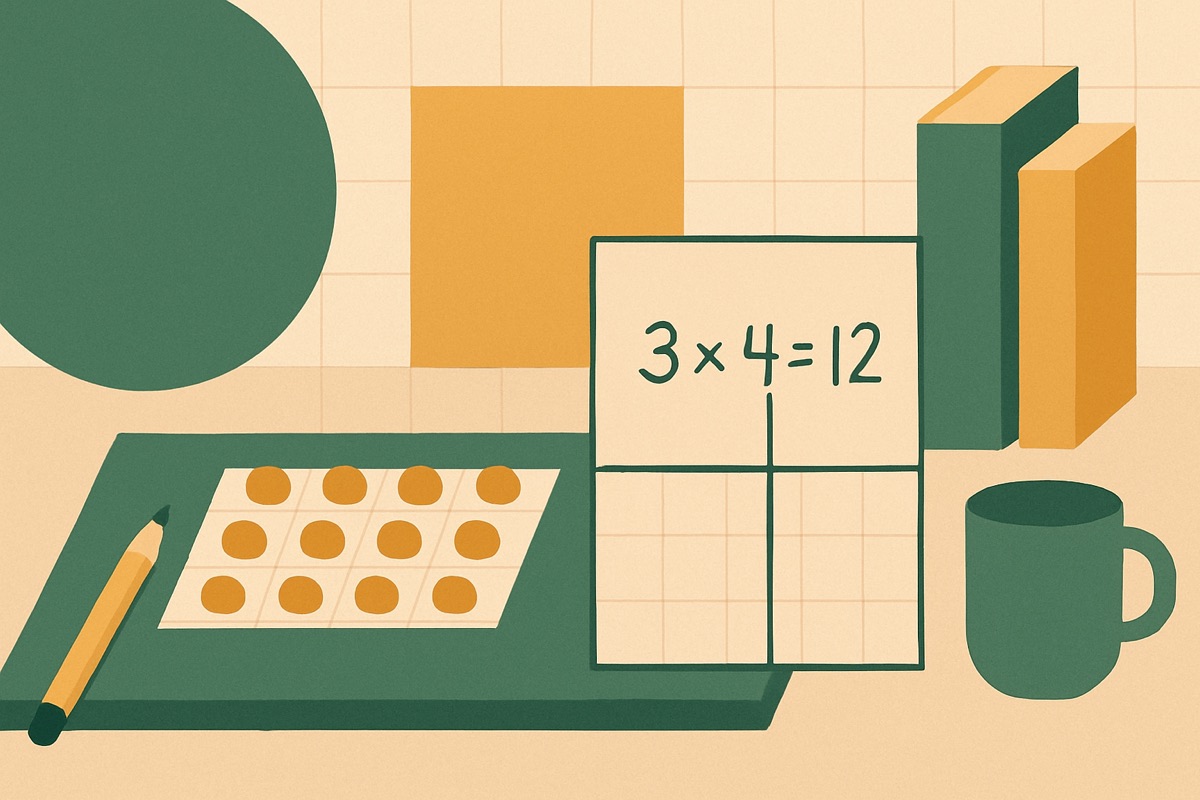
The Area Model: Why Your Kid Multiplies With Boxes Now
Your kid multiplies 23 times 47 by drawing a grid of boxes, and you have no idea why. Here is what the area model teaches and how to help at home.
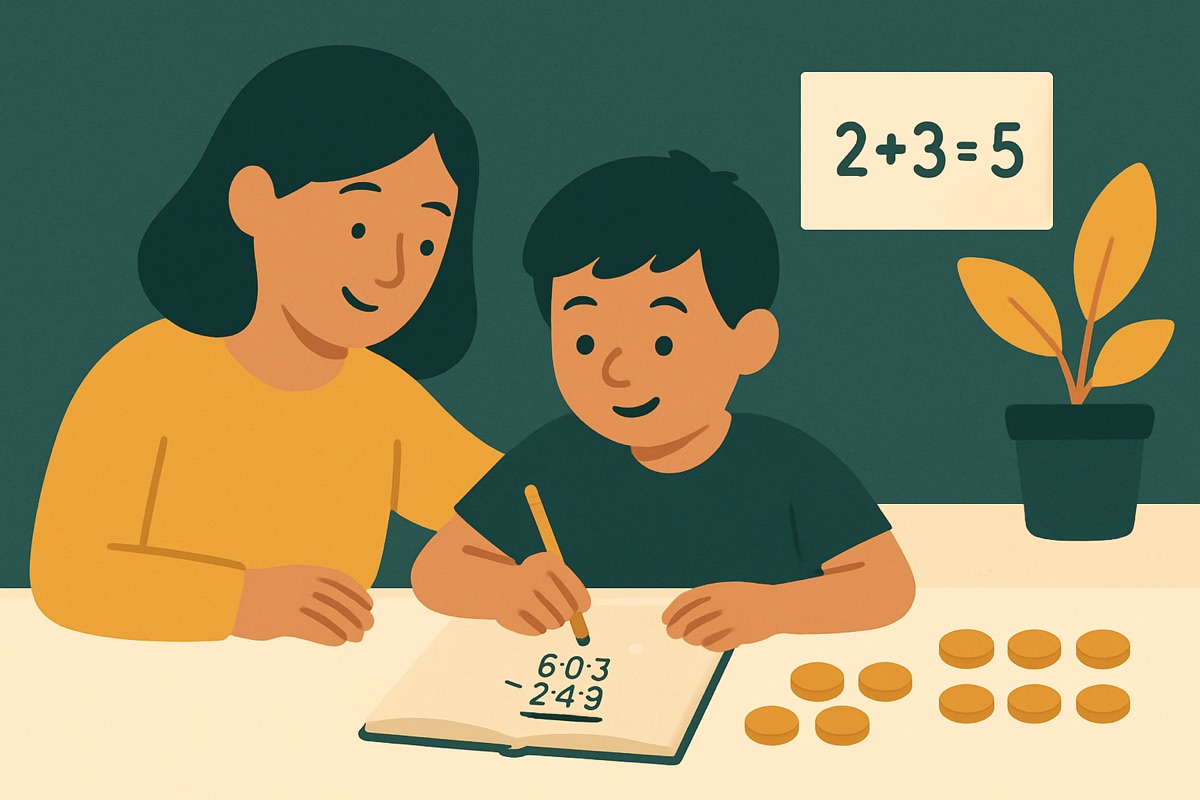
Subtraction Across Zeros: The Fact-Fluency Gap Nobody Talks About
A kid who knows every subtraction fact can still freeze at 1000 minus 486. Here is why zeros break borrowing, and how I teach it so it finally sticks.
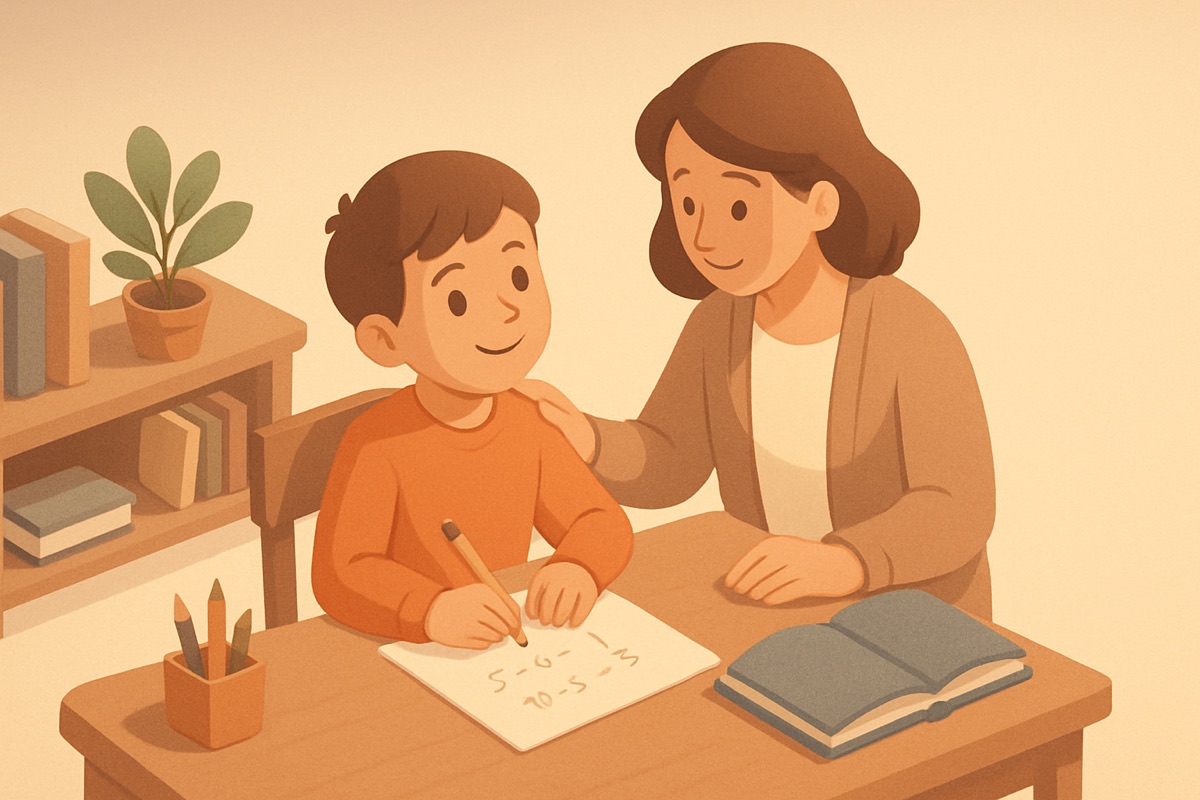
Homework Shutdown: Reading the Anxiety Behind 'I Won't Do It'
When a kid throws the pencil and says 'I won't do it,' that is usually fear talking, not defiance. Here is how to tell the difference and what to do next.

How To Spot Mindless Grinding in a Math App (and What Real Practice Looks Like)
Your kid did 200 problems and learned nothing. Here is how to spot the difference between mindless grinding and the kind of repetition that actually builds skill.
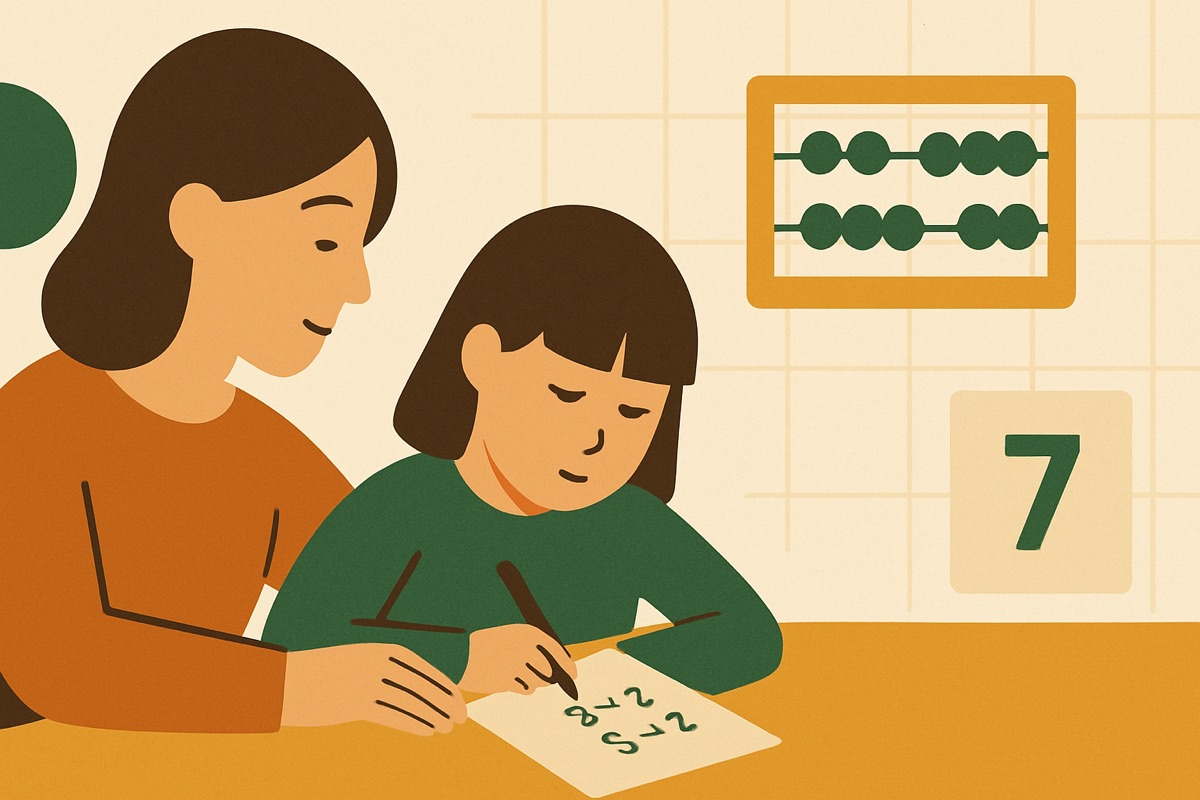
Does Speed Matter? Judging Timed Practice Features in Math Apps
Every math app slaps a timer on the screen. Some clocks build fluency and some just add pressure. Here is how to tell which one you are looking at.
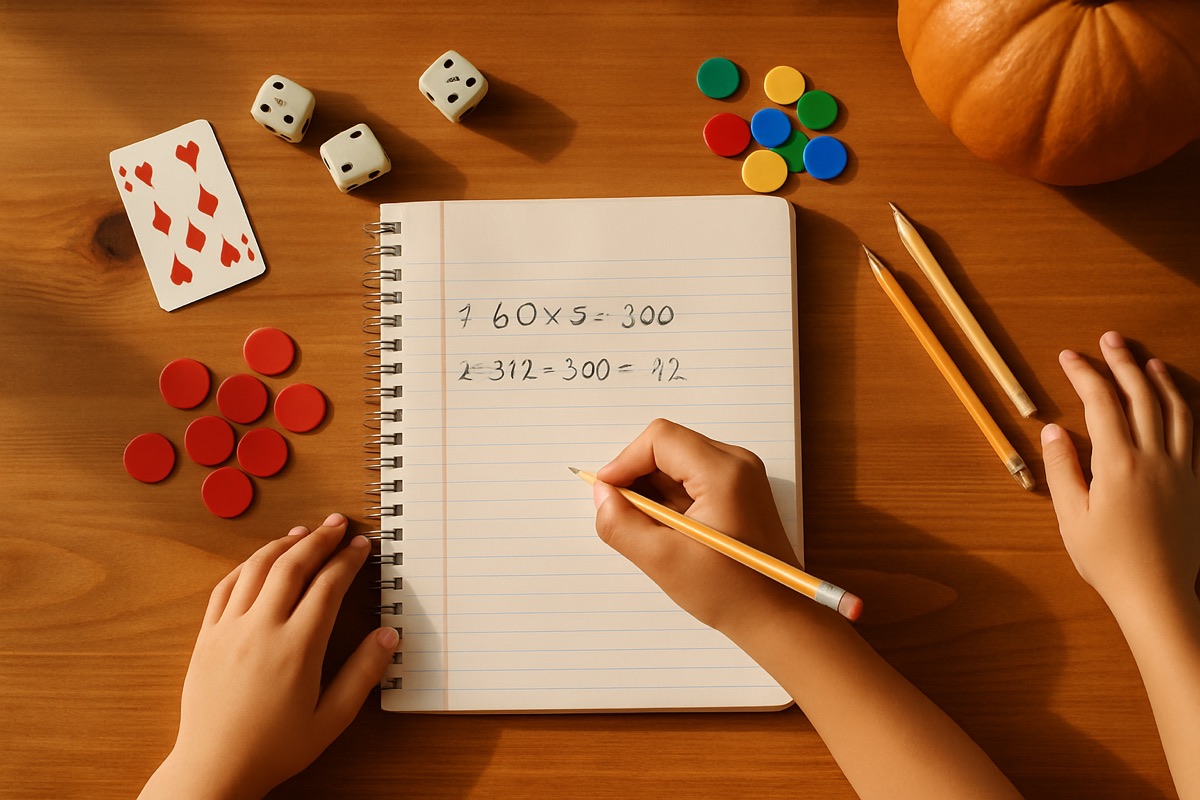
Vacation Budget Math: Let Your Kid Help Plan the Trip
Hand your child a slice of the vacation budget and watch fractions, subtraction, and decisions get real. Here is how to do it without ruining the trip.

Is My First Grader Ahead or Just an Early Reader of Numbers?
A kid who rattles off numbers fast looks advanced. A teacher explains the difference between quick recall and real understanding, and how to check which one you've got.

What Makes a Good Math Practice App (From Someone Who Builds Them)
The features that sell a math app in the store are rarely the ones that teach. Here's what actually matters, from someone who spends his days building one.