Homework Shutdown: Reading the Anxiety Behind 'I Won't Do It'
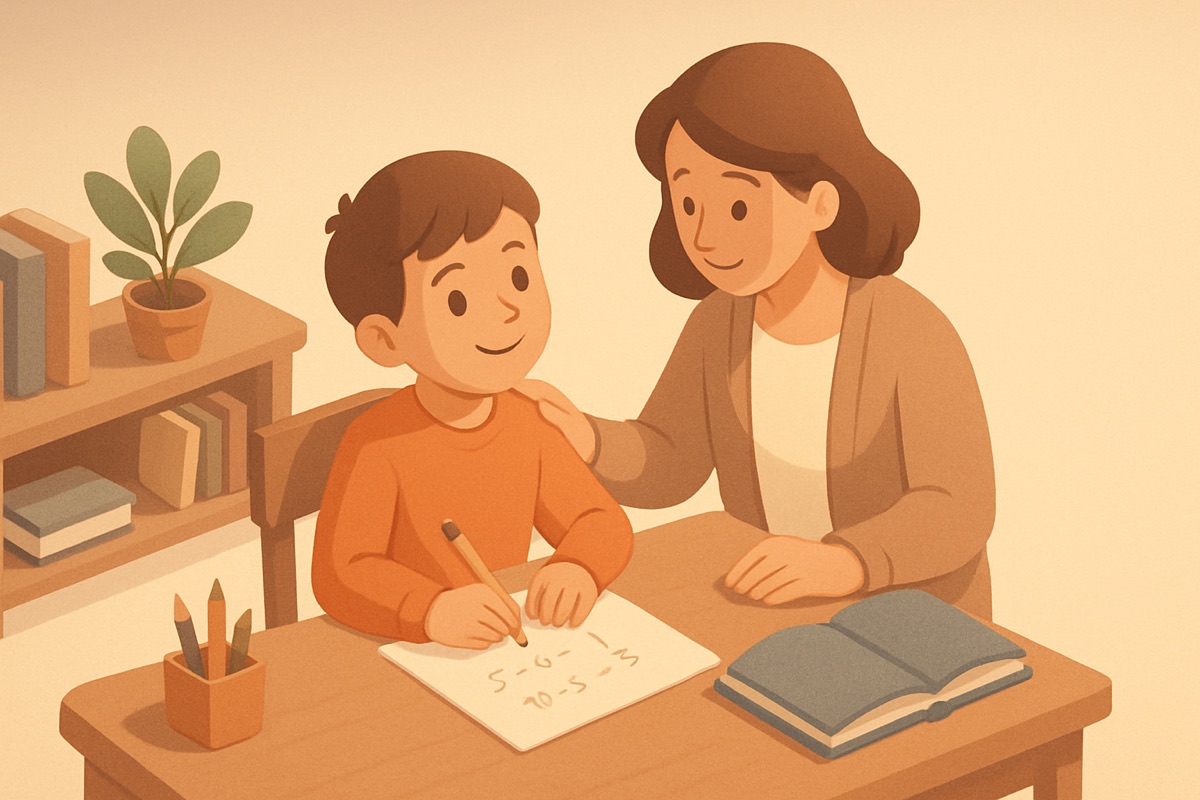
A girl in my class named Mara used to put her head down on the desk the second we started math. Not tired, not bored. She would go flat and still, and if I pushed, she would say "I'm not doing it" in a voice that sounded like a wall. Her mom told me the same thing happened every night with homework. The pencil would go down, the arms would cross, and "I won't do it" would end the conversation.
For a long time everyone read Mara as stubborn. She was not stubborn. She was scared, and the shutdown was the only tool she had to make the scary thing stop. When a child refuses to do math homework the way Mara did, the refusal is almost never about the homework. It is about what the homework makes them feel, and until you deal with the feeling, no amount of firmness moves the pencil.
Defiance and Fear Look the Same From the Outside
This is the trap most of us fall into. A kid crossing their arms and saying no looks like a discipline problem, so we respond to it like one. We get firmer, we set consequences, we dig in. And with a genuinely defiant kid, that sometimes works.
But fear wears the same face. A kid who is terrified of getting it wrong also crosses their arms and says no, because refusing to try feels safer than trying and failing. If you never start, you can never be bad at it. The shutdown is protection, not rebellion, and treating it as rebellion makes it worse. Now the kid is scared of the math and in trouble with you.
The tell is usually timing and topic. Defiance tends to be broad and negotiable. A kid who does not want to do chores will also push back on bedtime and will bargain. A fear shutdown is narrow and absolute. It shows up on the same subject every time, it comes on fast, and there is no bargaining, because the kid is not trying to win anything. They are trying to escape.
What a Math Shutdown Actually Feels Like Inside
Ask an anxious kid what happens when the worksheet comes out and, if they can find the words, you get something like this. Their heart speeds up. Their mind goes blank. They look at the first problem and the numbers stop meaning anything. This is not an excuse. It is what stress does to a working brain. Under a real threat response, the part of your mind that does math basically goes offline, which means the kid genuinely cannot think clearly in that moment even about facts they know cold.
Mara could do her multiplication facts perfectly when we practiced them as a game with no pressure. The same facts on a timed worksheet turned into a blank stare. The knowledge was there. The access was not, because fear had shut the door.
Once you understand that, the shutdown makes a sad kind of sense. The kid is not refusing because they are lazy. They are refusing because, in that moment, the math actually is impossible for them, and "I won't do it" is easier to say out loud than "I can't and I don't know why."
What Helps in the Moment
You cannot reason a kid out of a threat response, and you cannot push through it either. The first job is to bring the temperature down. A few things that reliably help:
- Stop the standoff. The homework is not getting done in the next five minutes anyway. Say "okay, we're going to take a break," and mean it. Removing the pressure is the fastest way to get the thinking brain back online.
- Get small. Cover everything but the first problem with a piece of paper. A page of thirty problems is a threat. One problem is a task. Kids can often start when they only have to look at one thing.
- Drop the timer. If the worksheet is timed, let it be untimed at home. Speed is the single biggest trigger for a lot of these kids, and you can practice the actual math without it.
- Sit beside, not across. Pull your chair next to them instead of facing them. It stops feeling like an interrogation and starts feeling like you are on the same team looking at the same problem.
- Name it without making it a big deal. "Math feels scary right now, huh. That's okay. Let's just look at the first one together." You are telling them the feeling is allowed and survivable.
None of this is about lowering the bar. You are still going to do the math. You are just clearing the fear out of the way first, because a scared kid cannot learn and a calm one can.
The Longer Repair
Getting through one night is one thing. Undoing the dread takes longer, and it comes down to slowly rebuilding the kid's sense that they can do this. That does not happen through pep talks. "You're so smart, you can do it" bounces right off a kid who is convinced otherwise. It happens through actual small wins they can see for themselves.
That means finding math the kid can do, and letting them succeed at it before you climb back up to the hard stuff. If your fourth grader is melting down over long division, spend a week on things they can nail, and let the wins pile up where they can feel them. Confidence is built from evidence, and the evidence has to be real, not manufactured. A reward for finishing a page they hated does nothing. A reward tied to actually getting better at something, so the kid can point to progress they made, is the kind that starts to change how they feel about the whole subject.
Go slow. A kid who has been shutting down for months did not get that way overnight, and they will not climb out in a weekend. What you are looking for is the day the pencil does not go down quite as fast, and the day after that when they try the first problem without you asking twice.
When To Get More Help
Sometimes this is bigger than a homework routine, and it is worth saying so. If the shutdowns are spreading past math, if there are stomachaches on school mornings or tears that seem out of proportion, or if nothing you try moves the needle over a few months, talk to the teacher and consider a school counselor. Math anxiety is real and well documented, and there are people whose whole job is helping kids through exactly this.
Mara got there, by the way. It took most of a year, a lot of untimed practice, and a teacher and a mom who both finally understood that the wall was fear and not defiance. The head stopped going down on the desk. She was never going to love math, and that is fine. She just stopped being afraid of it, and that turned out to be the whole battle.