When math is hard
What to do when your kid struggles with or dreads math, from a teacher who has helped hundreds of them get unstuck.
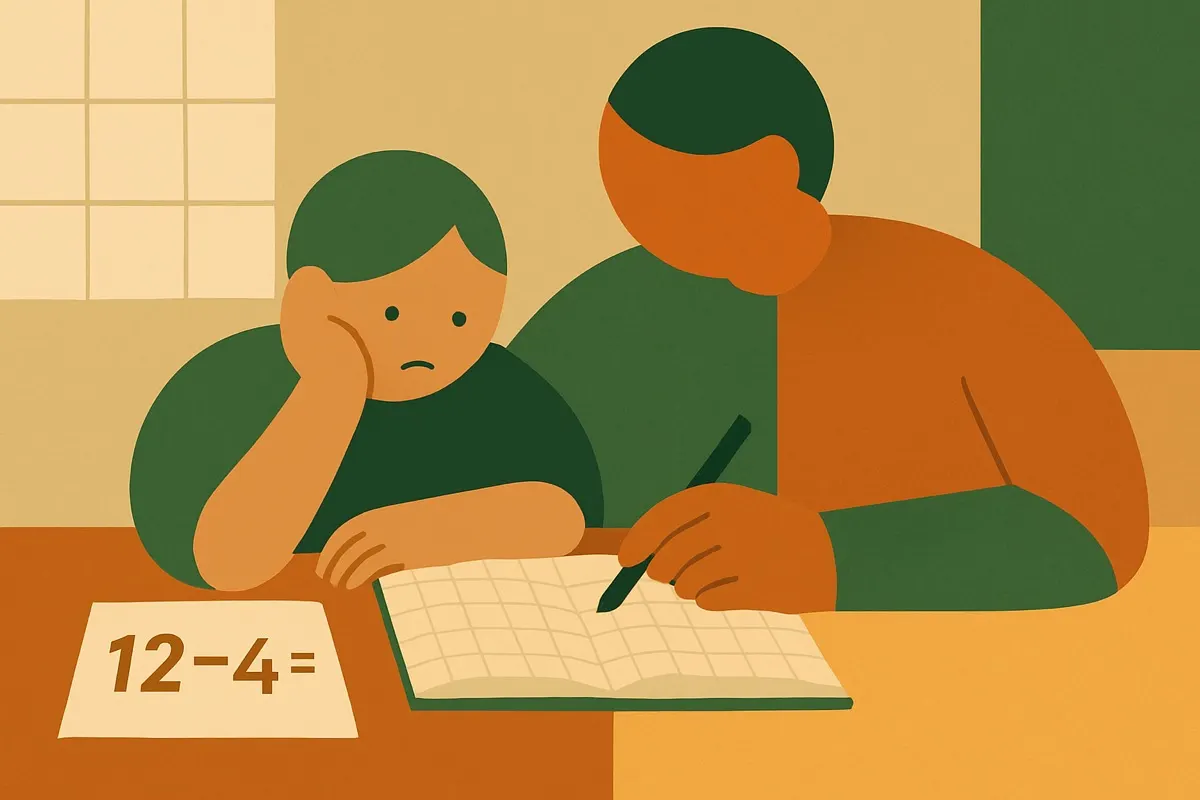
How to help a child who is struggling with math
When a kid decides they are bad at math, the fix is almost never more of the same worksheet. Here is the triage I use in the classroom, step by step.

Catching Struggles Early: What Practice Data Can (and Can't) Tell You
App dashboards promise to show you how your kid is doing. Here's what those numbers actually catch, what they miss, and how to read them like the person who built them.

How To Spot Mindless Grinding in a Math App (and What Real Practice Looks Like)
Your kid did 200 problems and learned nothing. Here is how to spot the difference between mindless grinding and the kind of repetition that actually builds skill.

Is a Math App Actually Helping My Struggling Kid, or Just Keeping Them Busy?
Your kid uses the app every day and the grades haven't moved. Here is how to tell whether it's teaching them or just filling twenty quiet minutes.

When Every Math Session Ends in a Fight: Resetting the Dynamic
If math time has become a nightly standoff, the worksheet is not the real problem. Here is how to reset the dynamic before it hardens into a habit.
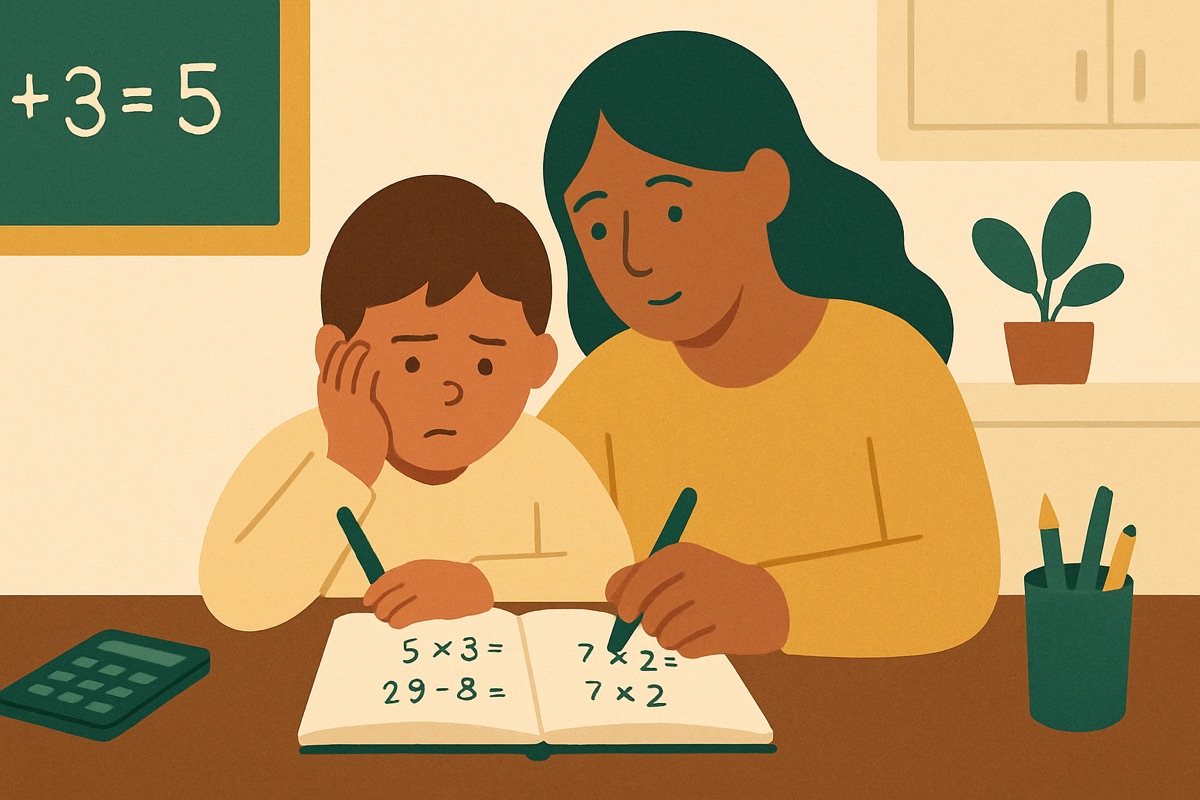
My Kid Guesses Instead of Working Problems Out: Breaking the Habit
The kid who blurts out an answer in two seconds isn't lazy. They've learned that guessing feels safer than working. Here's how to change that.
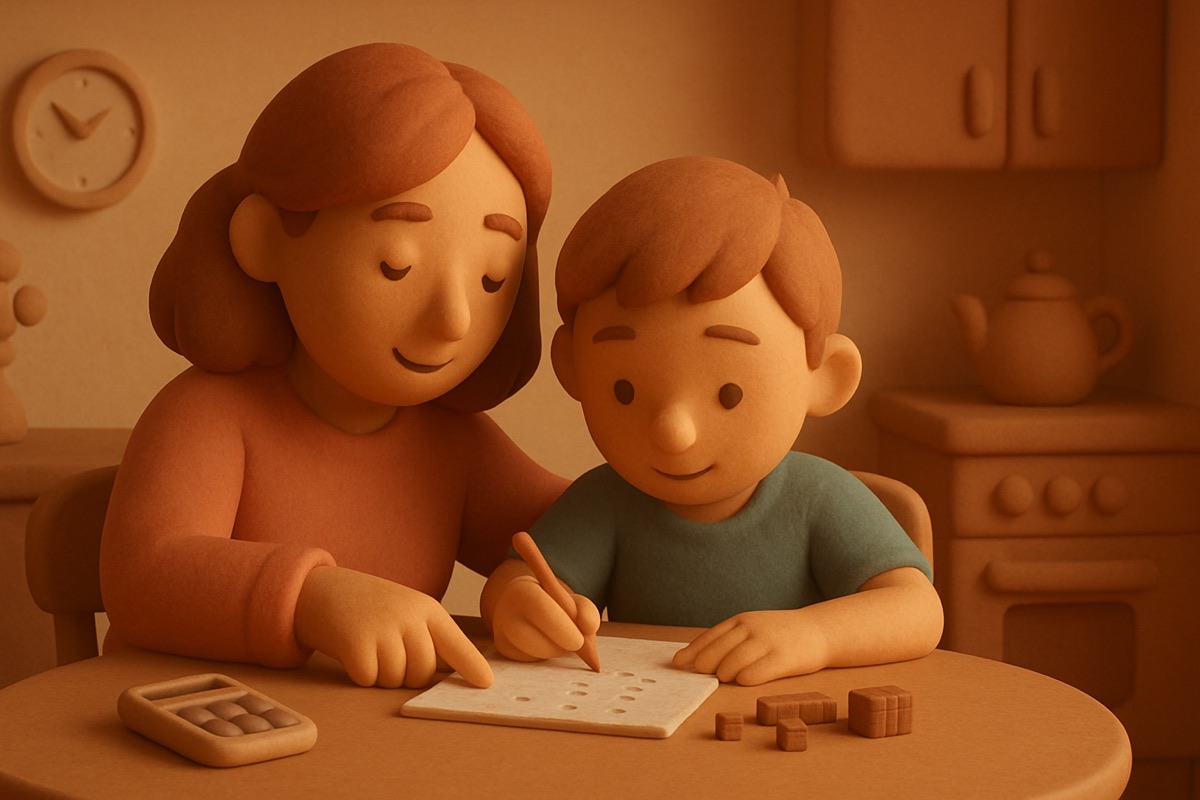
Place Value Isn't Clicking: The Foundation Behind So Many Struggles
When later math keeps falling apart, the real problem is often place value. Here's how to spot the gap and rebuild it so the rest of math stops breaking.

The 10-Minute-a-Day Habit That Turns Around a Struggling Math Kid
The kid who was behind in October caught up by spring, and it wasn't a tutor or a weekend cram. It was ten quiet minutes a day.
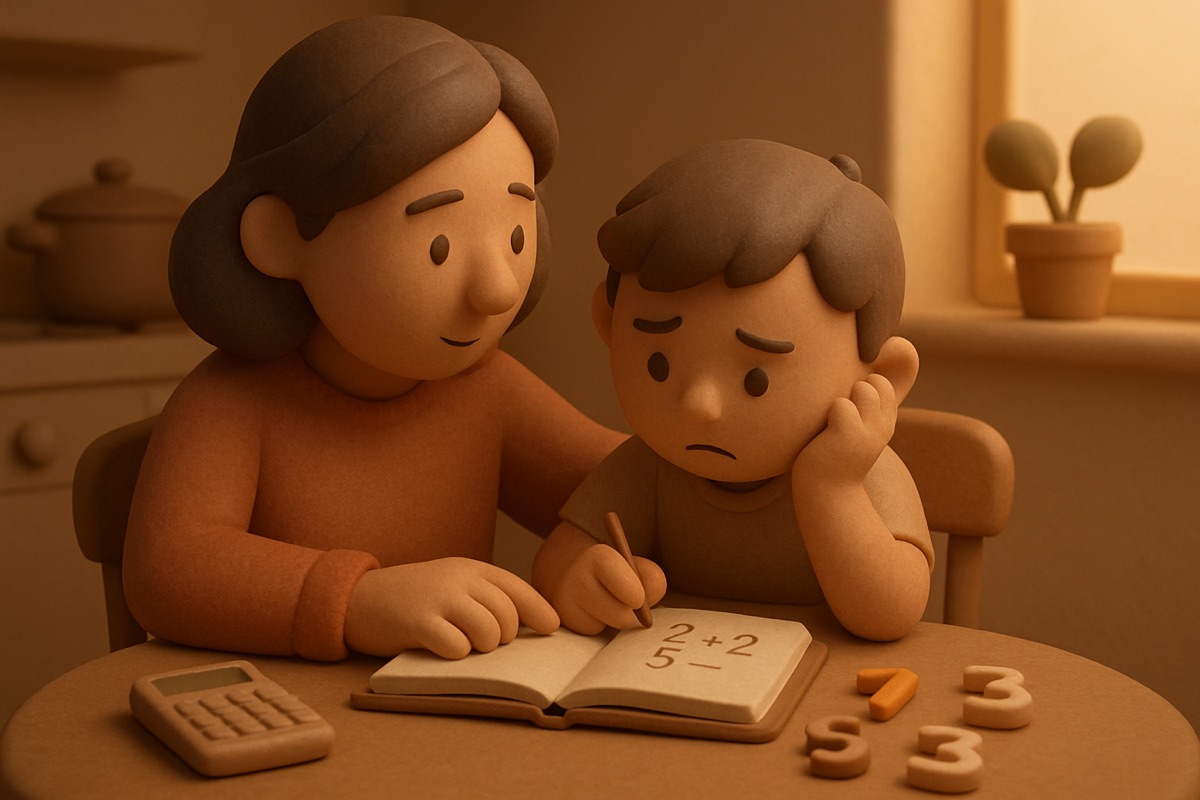
Talking to Your Child's Teacher About Math Struggles: What To Ask
The parent teacher conference is fifteen minutes long. Here are the questions that turn it from a vague reassurance into a real plan for a struggling math kid.
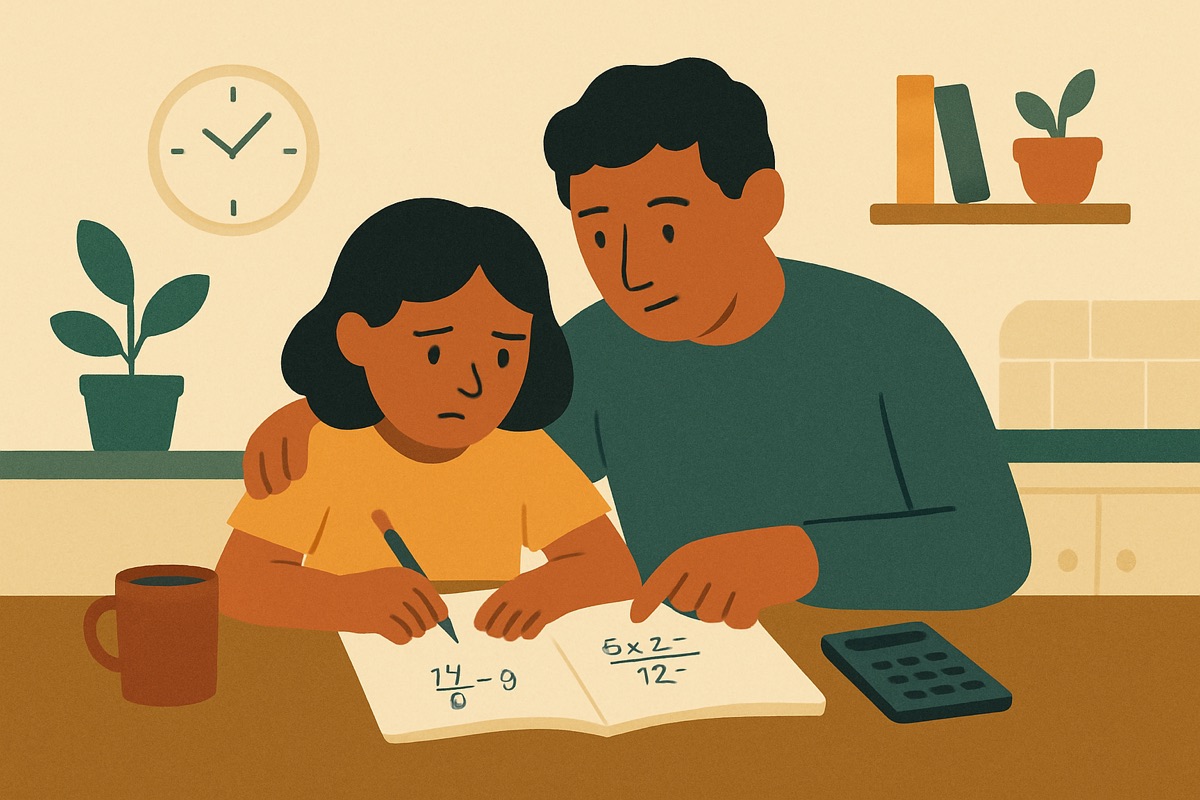
Should I Get a Math Tutor? How To Tell If You've Hit That Point
A tutor is a big commitment of money and time. Here is how to tell if your child has actually hit that point, and what to try first.

My Child Rushes and Makes Careless Math Mistakes: A Fix That Works
Careless math mistakes from rushing rarely mean your kid doesn't care. Here is what is really going on and a routine that reduces the errors for good.
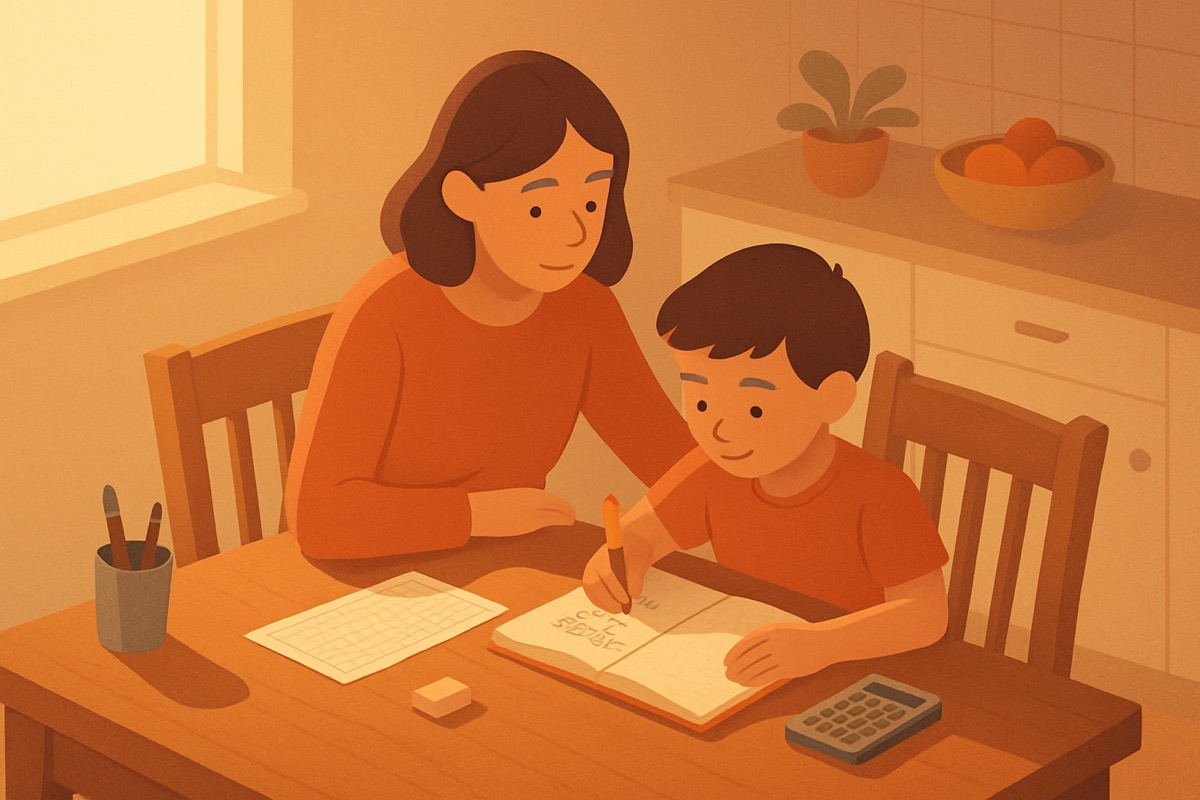
When Homework Takes Two Hours: Shrinking the Nightly Math Battle
Twenty minutes of math should not eat your whole evening. Here is what is really going on when it does, and how to bring the night back down to size.
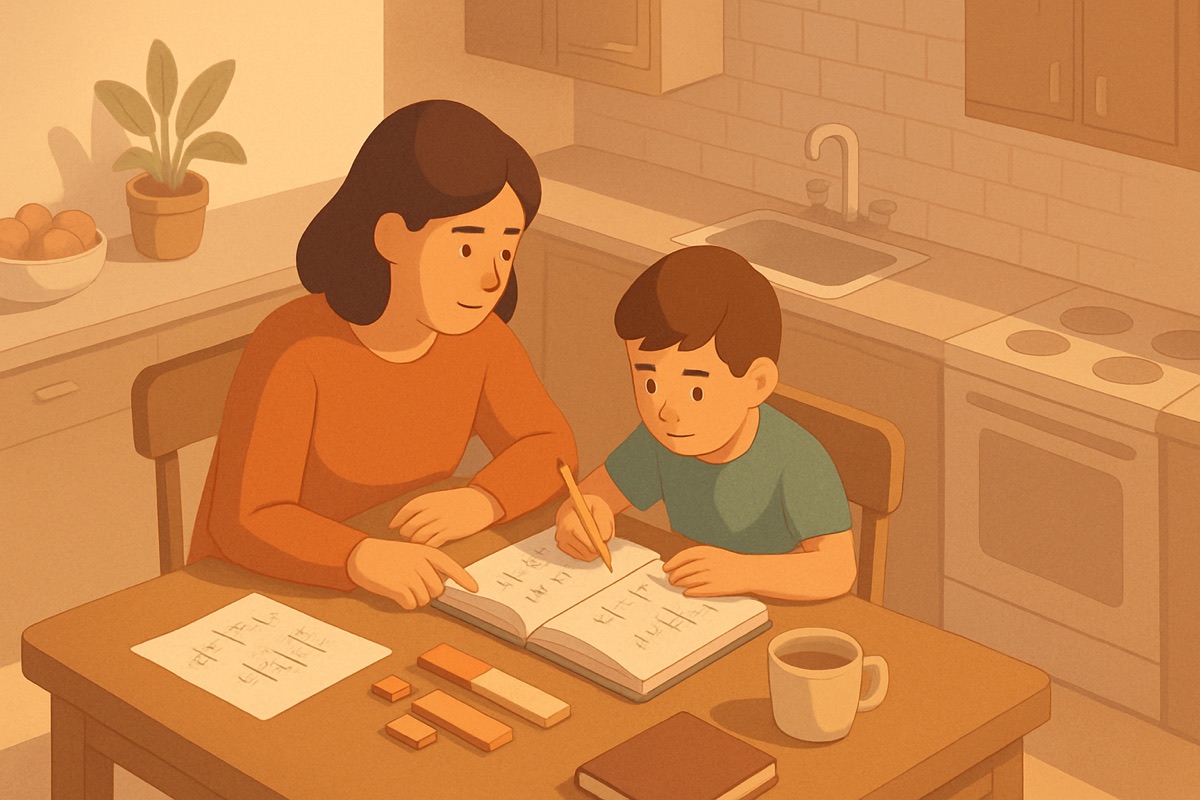
Fractions Confusion: Making a Half Actually Make Sense
When a child struggles with fractions, the fix usually isn't more practice. It's going all the way back to what a half really means, with something they can hold.

How To Fill Math Gaps From Last Year Without Overwhelming Your Kid
Last year left holes in your kid's math. Here's how to fill math learning gaps a little at a time, without a summer of worksheets and tears.

Could It Be Dyscalculia? A Parent's Plain Guide to the Signs
A calm, plain-language walk through the real dyscalculia signs in children, what they mean, and the practical steps to take before you panic or wait too long.
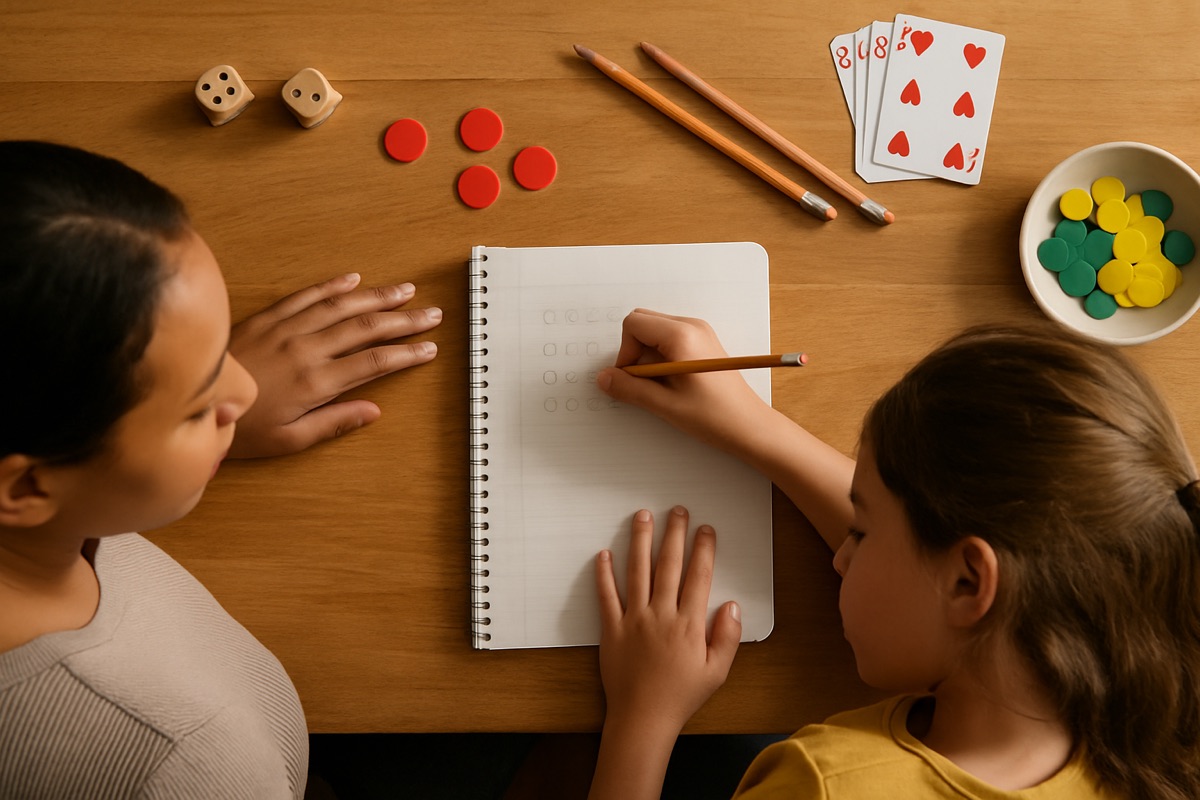
Times Tables Are Not Sticking: A Gentler Path to Multiplication Fluency
Drilling the same flashcards harder rarely fixes stuck times tables. Here is the gentler, faster path I use with kids who feel like they will never get it.
Regrouping and Borrowing: Where Kids Get Stuck and How To Unstick Them
Regrouping is where a lot of kids hit their first real math wall. Here's exactly where they get stuck and how to walk them back through it.

The Word Problem Wall: Why Reading Trips Kids Up in Math
Your kid can add and subtract fine, then hits a word problem and shuts down. The problem usually isn't the math. It's the reading, and that's fixable.

How To Help a Child Who Says 'I Don't Get It' About Everything in Math
When a kid says I don't get it about every single problem, the words usually mean something other than what they say. Here is how to find out.

Your Child Knows Facts One Day and Forgets Them the Next: Here's Why
The multiplication facts your child knew cold on Tuesday are gone by Thursday. It isn't laziness, and it isn't a red flag. It's how memory works.
My Second Grader Still Counts On Fingers: Is That a Problem?
Your second grader still counts on fingers for 6 plus 5, and you are wondering if you missed something. Here is what it actually means and what to do.
When To Worry About Your Child's Math (And When To Wait It Out)
A bad math week is not a red flag. Here's a teacher's honest take on when to worry about your child's math and when to give it more time.
7 Real Signs Your Child Is Struggling With Math (Not Just Being Lazy)
The kid who says math is boring is often the kid who is lost. Here are the quiet signs a child is struggling, and what each one is really telling you.

My Kid Cries During Math Homework: A Calm Plan for Tonight
The tears usually start before the math does. Here is the calm plan I give parents for the nights when homework falls apart at the kitchen table.
Give the math a reason.
Kids earn tickets for real practice and trade them for prizes you set at home.
Set up a free parent account