Math by grade
What your child should know at each grade, in plain language, so you can tell on track from behind.

Grade-Level Math Anxiety: Is It the Math or the Pace?
Sometimes a kid isn't bad at the math. The class just moved on before it clicked. Here is how to tell the difference, and what to do about each.

The Kindergarten-to-First-Grade Math Shift: From Counting to Adding
Why counting on your fingers stops working in first grade, and the small mental shift that makes adding click for kids who feel stuck.
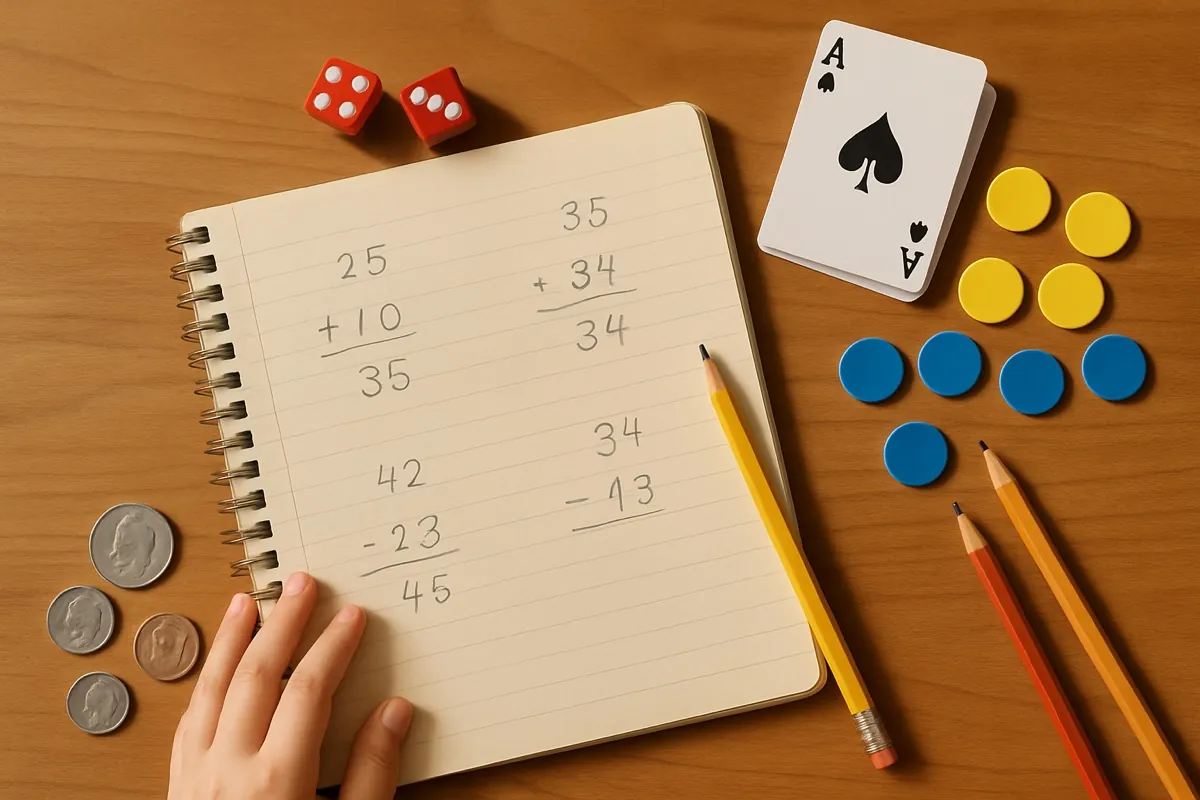
How Much Should a Second Grader Know About Money and Time?
A plain rundown of what a second grader should be able to do with coins and clocks, and how to practice it without a worksheet in sight.

What a Solid Foundation Looks Like Before Multiplication Begins
Before a kid can truly learn multiplication, a few quieter skills have to be in place. Here's what a teacher watches for, and how to build them at home.

Is My First Grader Ahead or Just an Early Reader of Numbers?
A kid who rattles off numbers fast looks advanced. A teacher explains the difference between quick recall and real understanding, and how to check which one you've got.

The Fourth-to-Fifth Grade Math Bridge: Decimals Are Coming
Fifth grade opens with decimals, and the kids who struggle aren't bad at decimals. They're shaky on the fraction and place-value ideas underneath them.
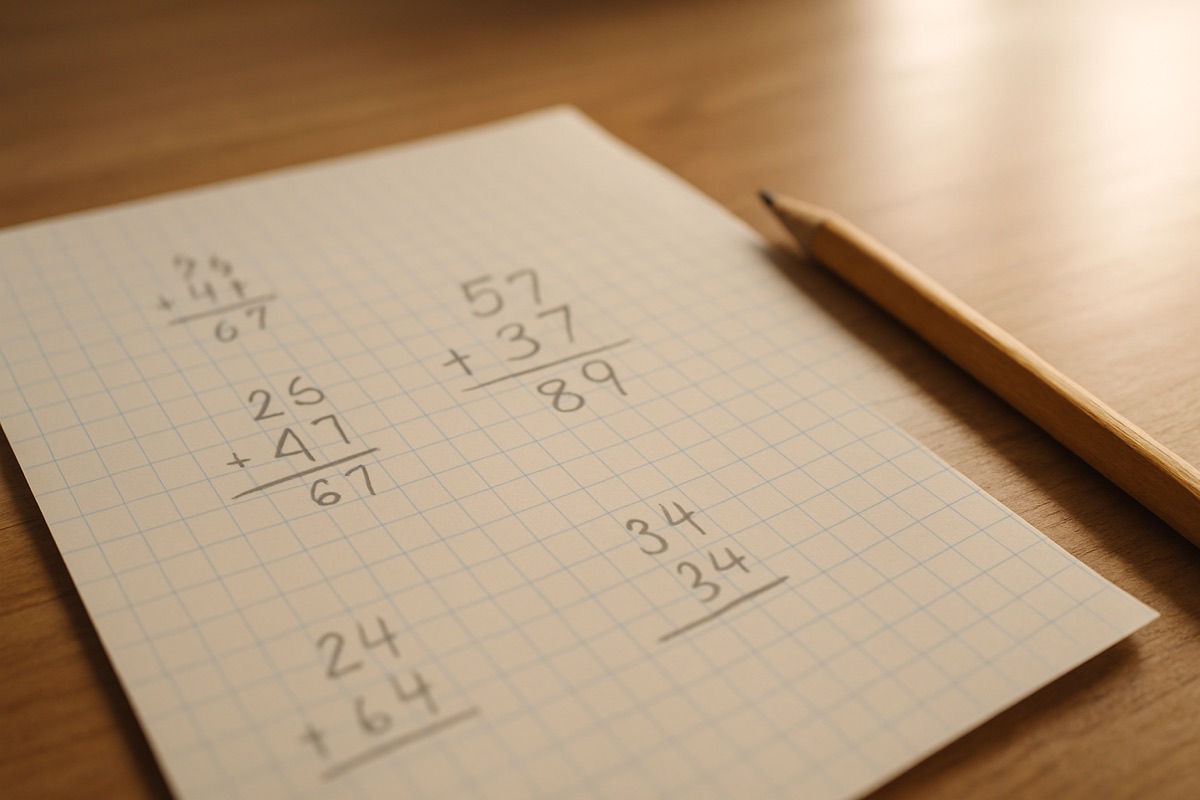
How I Assess Where a Child Really Stands in Math at Home
A report card tells you a grade, not what your kid understands. Here is how I figure out where a child really stands in math, no formal test required.

Why Third Grade Math Feels So Much Harder All of a Sudden
Your kid cruised through first and second grade math, then hit a wall in third. It's not them. Here's what actually changes in third grade and why.
What Kindergarten Math Homework Should (and Shouldn't) Look Like
A five year old with a math packet and a meltdown is a common sight, and usually a sign something's off. Here's what kindergarten math should really look like.
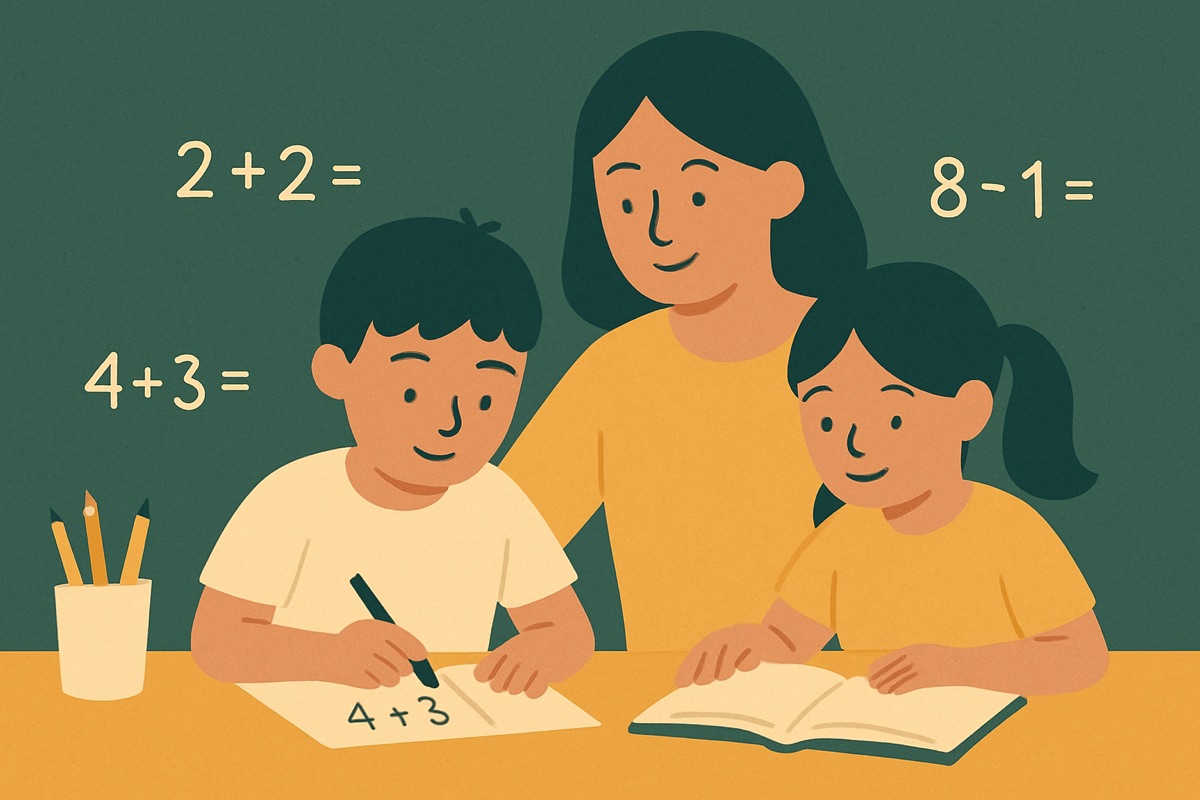
Grade-Level Math Milestones: A Year-by-Year Cheat Sheet for Parents
A plain year-by-year map of what math kids actually pick up from kindergarten through fifth grade, so you can tell a normal wobble from a real gap.
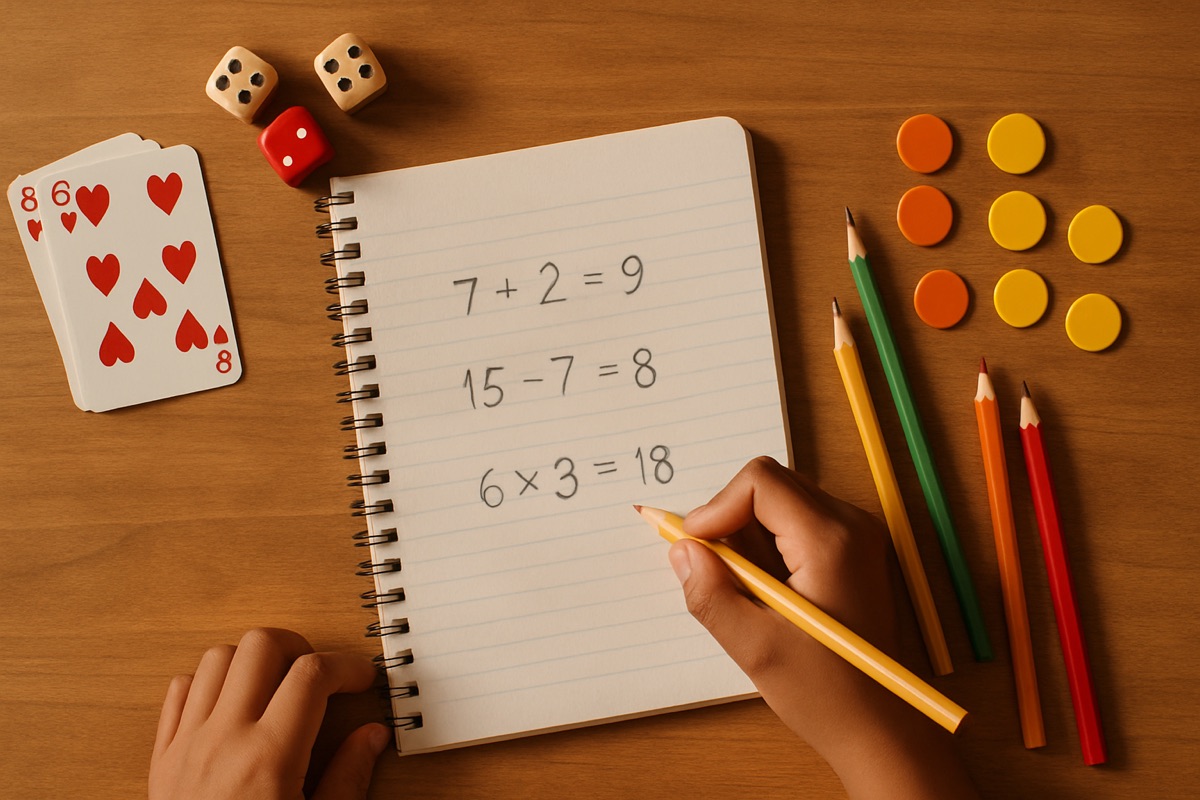
A Realistic Summer Math Plan So Your Kid Doesn't Slide Backward
Every September I watched kids show up rusty. Here is a realistic summer math slide plan that keeps skills sharp without wrecking the whole vacation.
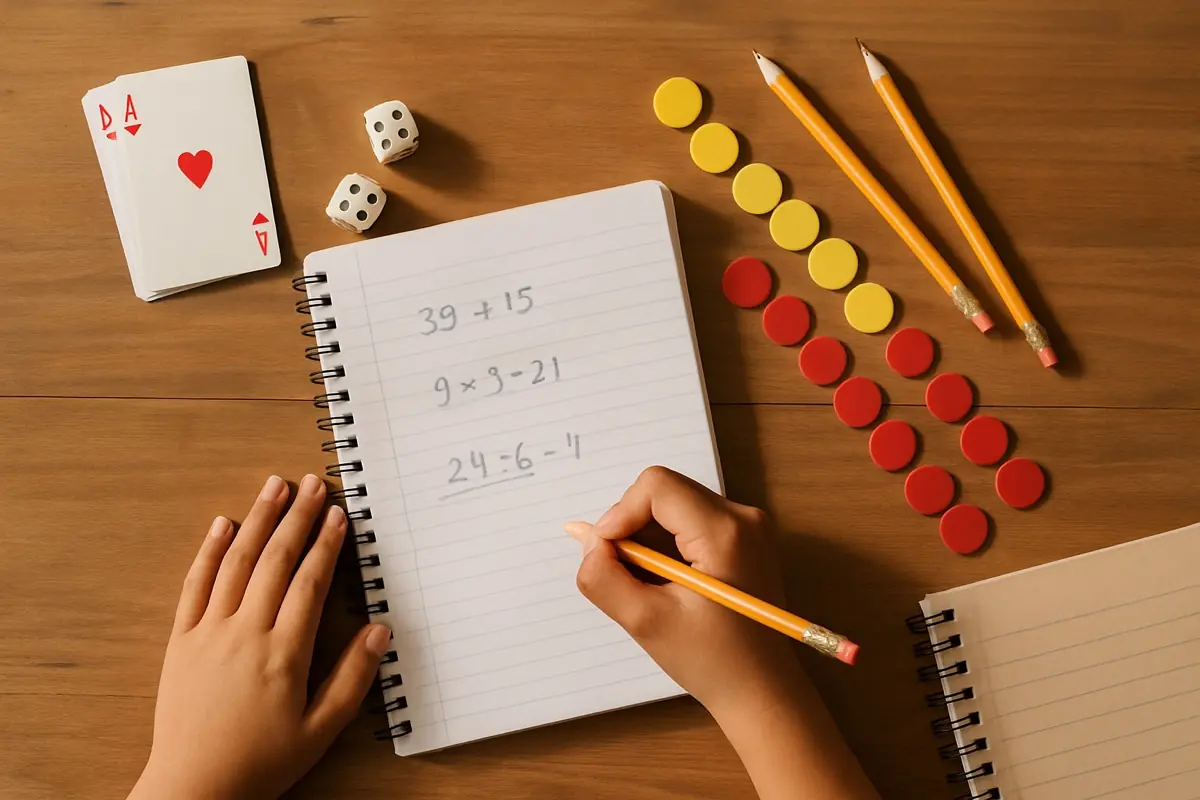
How to Read Your Child's Math Report Card Without Panicking
That row of 2s next to your kid's name is not the disaster it looks like. Here is how to read a math report card and figure out what actually needs attention.

What Do the Grade-Level Math Standards Actually Mean for My Kid?
The grade-level math standards are written for teachers, not parents. Here is what each elementary grade is actually supposed to master, in plain English.
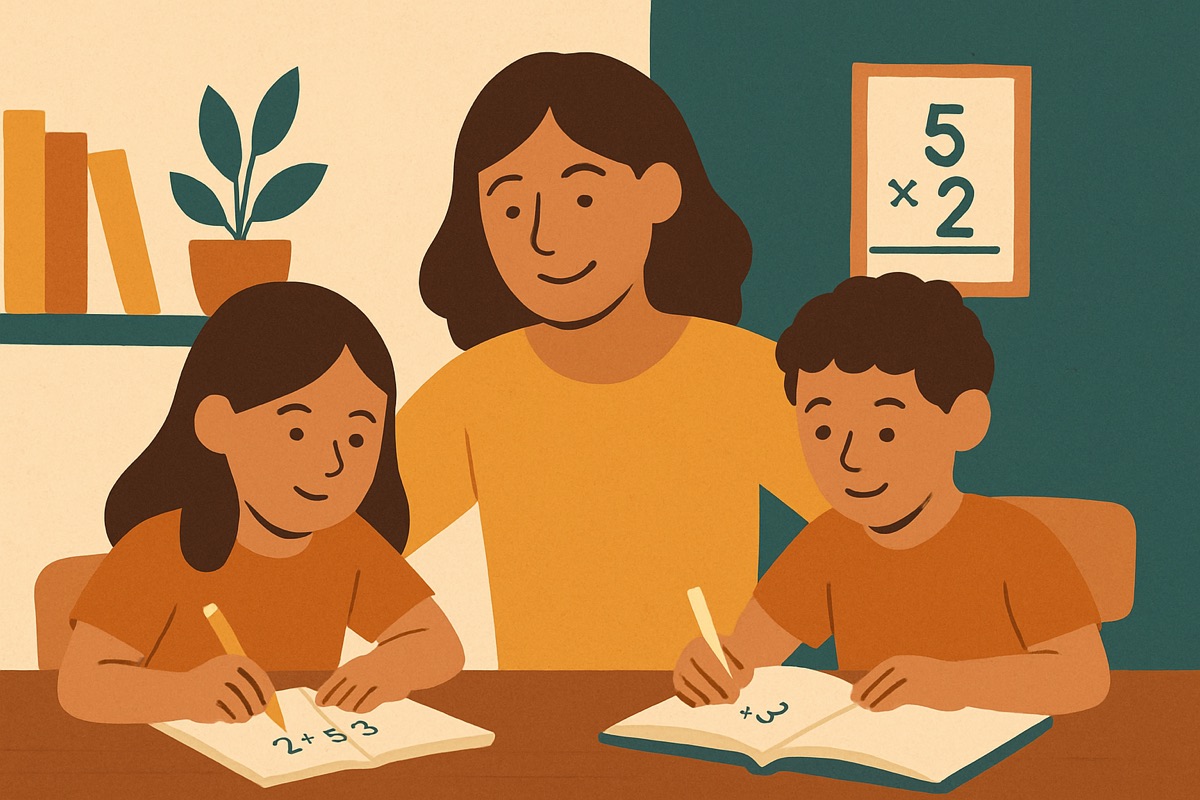
Is Your Rising Kindergartner Ready for Math? A Gentle Readiness Check
Your rising kindergartner doesn't need to add or write numbers yet. Here's what actually signals kindergarten math readiness, and how to build it without flashcards.

The Third-to-Fourth Grade Math Leap Nobody Warns Parents About
A kid who cruised through third grade math can suddenly struggle in fourth. The 3rd to 4th grade math transition is real. Here's what actually changes.

From Second to Third Grade: Getting Ready for Multiplication and Fractions
Third grade is where math gets serious. The kids who thrive aren't smarter. They walked in with a few specific skills already solid.
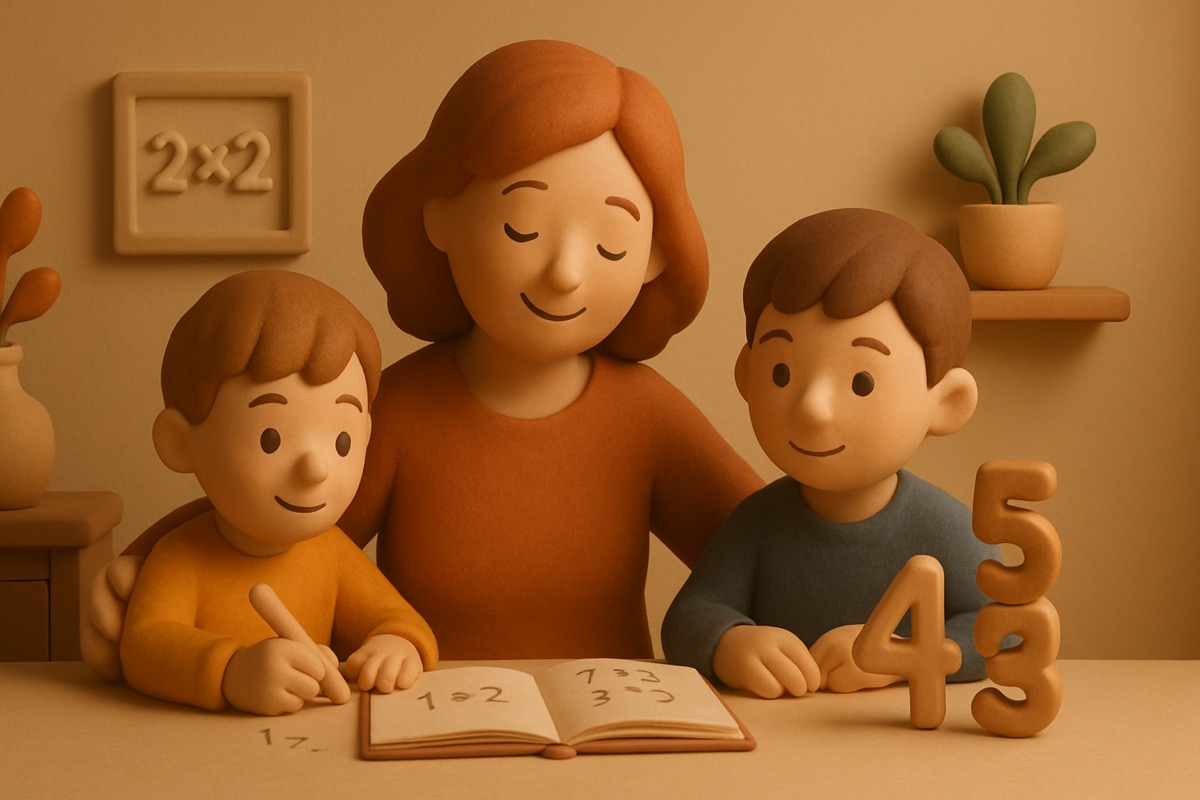
The Jump From First to Second Grade Math, and How to Smooth It
Second grade math asks for more than first grade let on. Here is what changes in the first to second grade math transition, and how to get ready.
My Child Is Ahead in Math. Now What Do I Do at Home?
When your kid finishes the math worksheet in two minutes and asks for more, giving them more of the same is exactly the wrong move.
Is My Child Behind in Math? How a Teacher Actually Decides
Behind compared to what? A teacher explains how she actually decides if a child is behind in math, and why one bad report card almost never is.
Fifth Grade Math: The Last Stop Before Middle School Math
Fifth grade is where the math either holds together or quietly falls apart before middle school. Here are the skills that actually carry weight in sixth grade and beyond.
Fourth Grade Math Skills: The Year Multi-Digit Everything Arrives
Fourth grade is the year the numbers get big and the fractions get serious. Here is what your kid will face and where they tend to get stuck.

Third Grade Math Is Where It Gets Real: Here's the Full Picture
Third grade is the year math stops being counting and starts being thinking. Here is exactly what changes and where kids tend to slip.
What Every Second Grader Should Know in Math by June
A plain checklist of the 2nd grade math skills that really matter, how to check each one at your kitchen table, and what to do about the shaky ones.

The First Grade Math Skills That Actually Matter (And the Ones That Can Wait)
The first grade math skills that build a real foundation, the ones parents stress about that can wait, and how to practice at home without a battle.
What Math Should My Kindergartner Know? A Teacher's Honest Checklist
The kindergarten math skills that actually matter, what can wait until first grade, and how to help at home without a single worksheet.
Give the math a reason.
Kids earn tickets for real practice and trade them for prizes you set at home.
Set up a free parent account