Parents teaching at home
How to help even when you are not a math person, talk to teachers, and make sense of the report card.
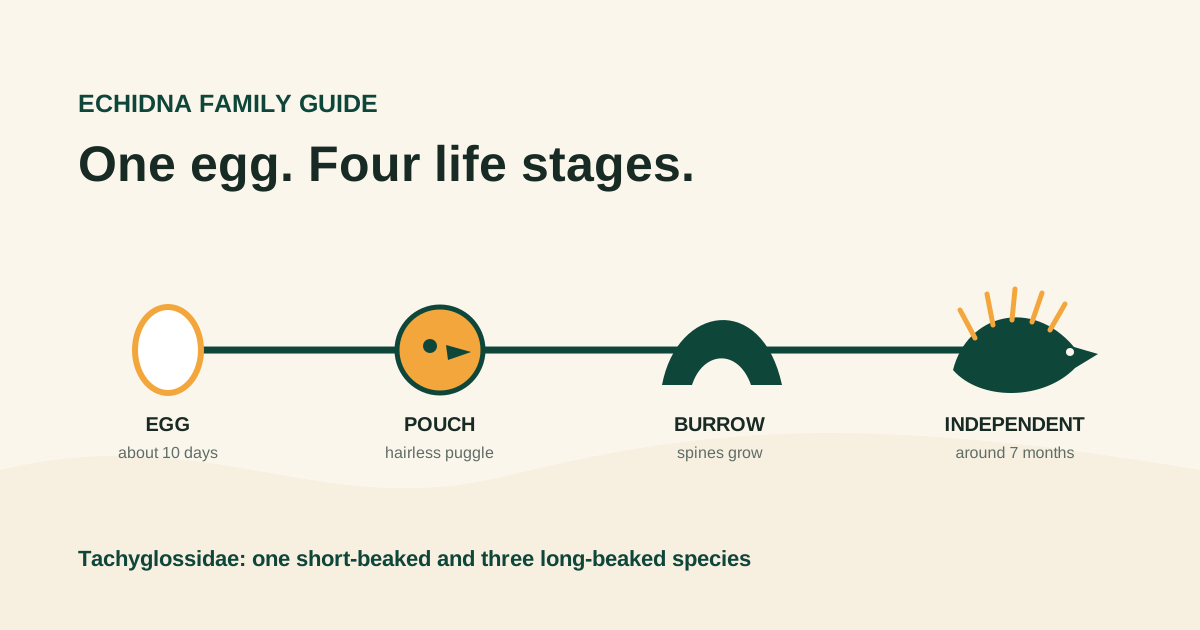
Echidna Family Guide: From Egg to Independent Puggle
A sourced family guide to the four living echidna species and the unusual route from one tiny egg to an independent puggle.
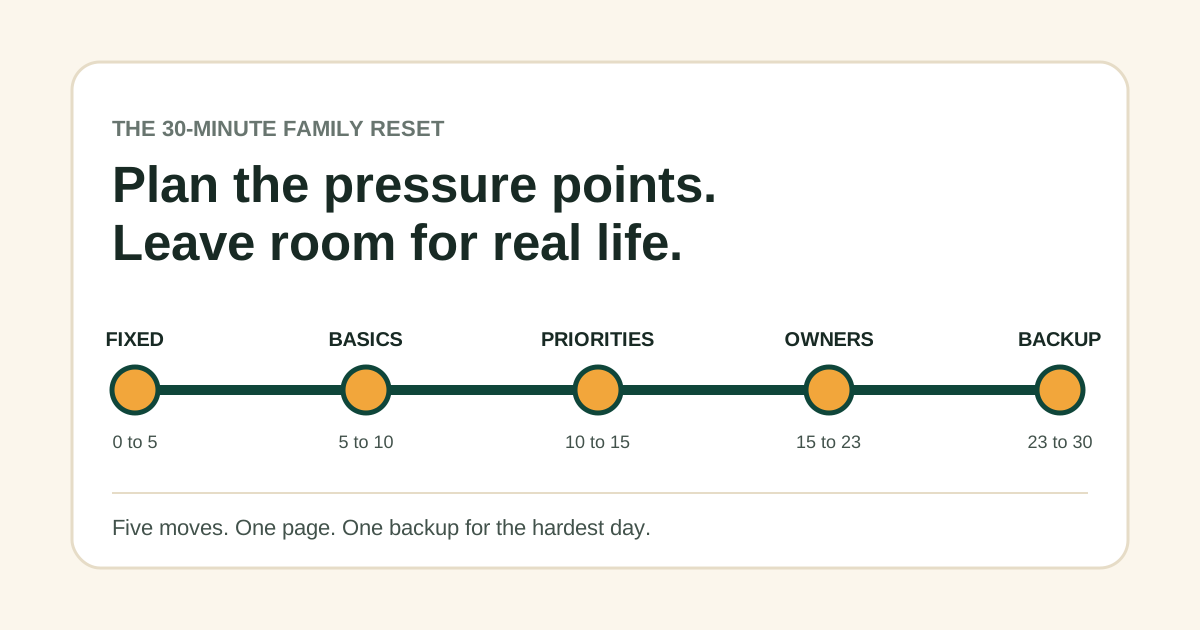
A 30-Minute Weekly Family Reset That Fits Real Life
A 30-minute weekly reset that turns school events, meals, practice, screens, and rewards into a plan the family can actually see.
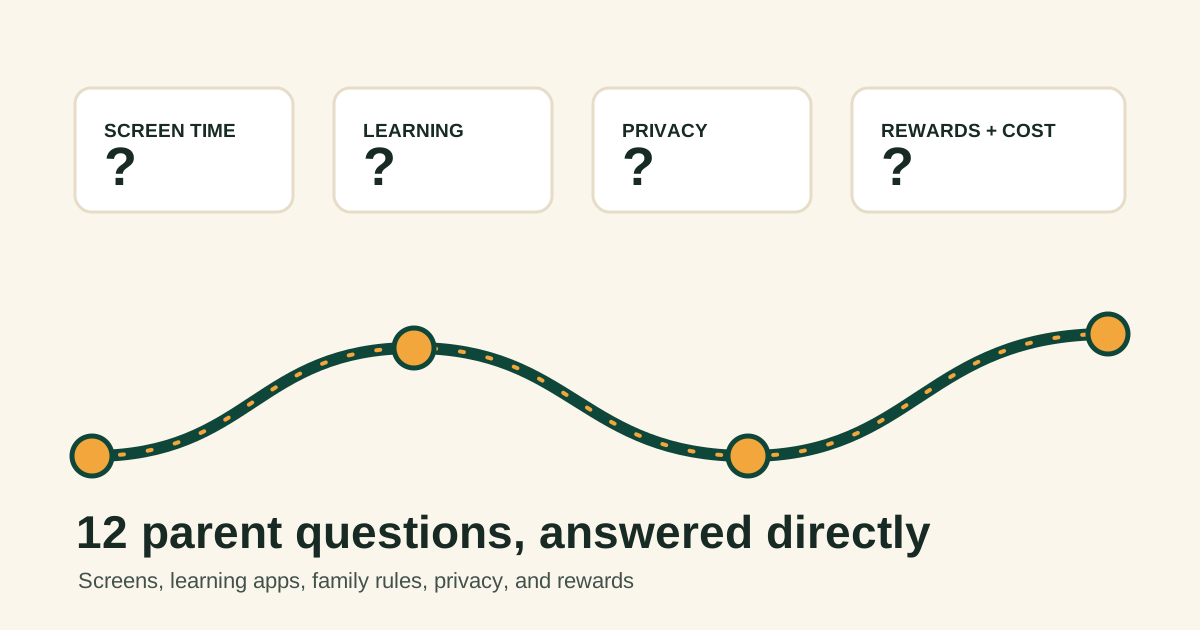
12 Parent Questions About Screens, Rewards, and Learning Apps
Twelve short, sourced answers to the questions parents ask most about screens, rewards, privacy, and learning apps.
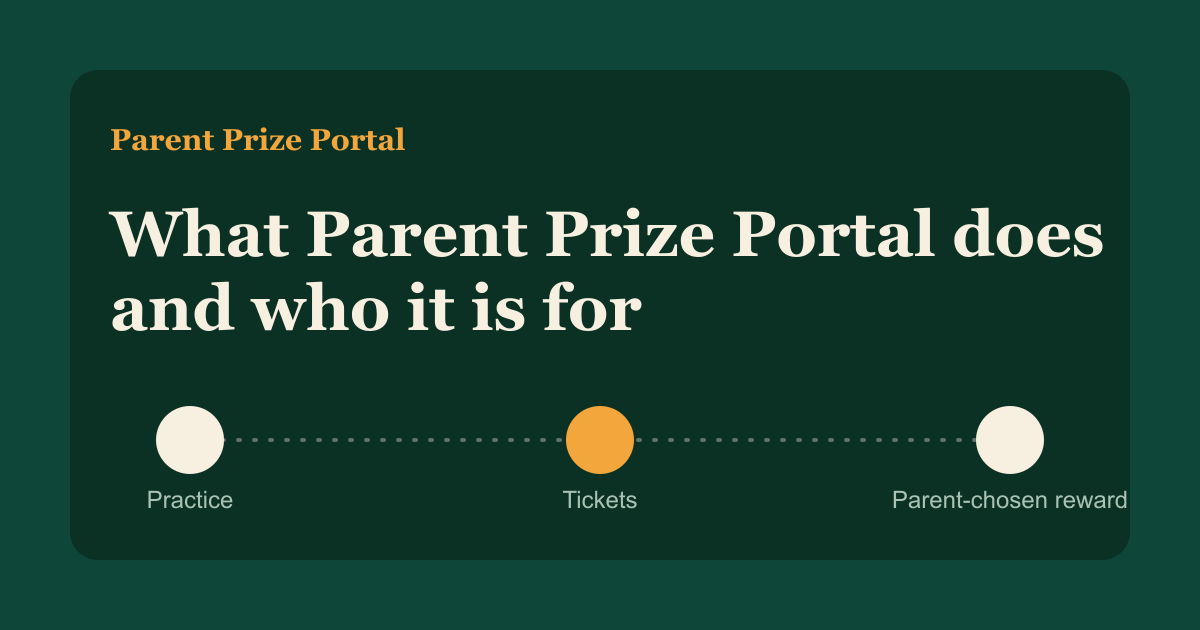
What Parent Prize Portal Does and Who It Is For
Parent Prize Portal is a parent dashboard for a family ticket economy. Kids earn tickets in learning apps, and parents decide what the tickets buy.
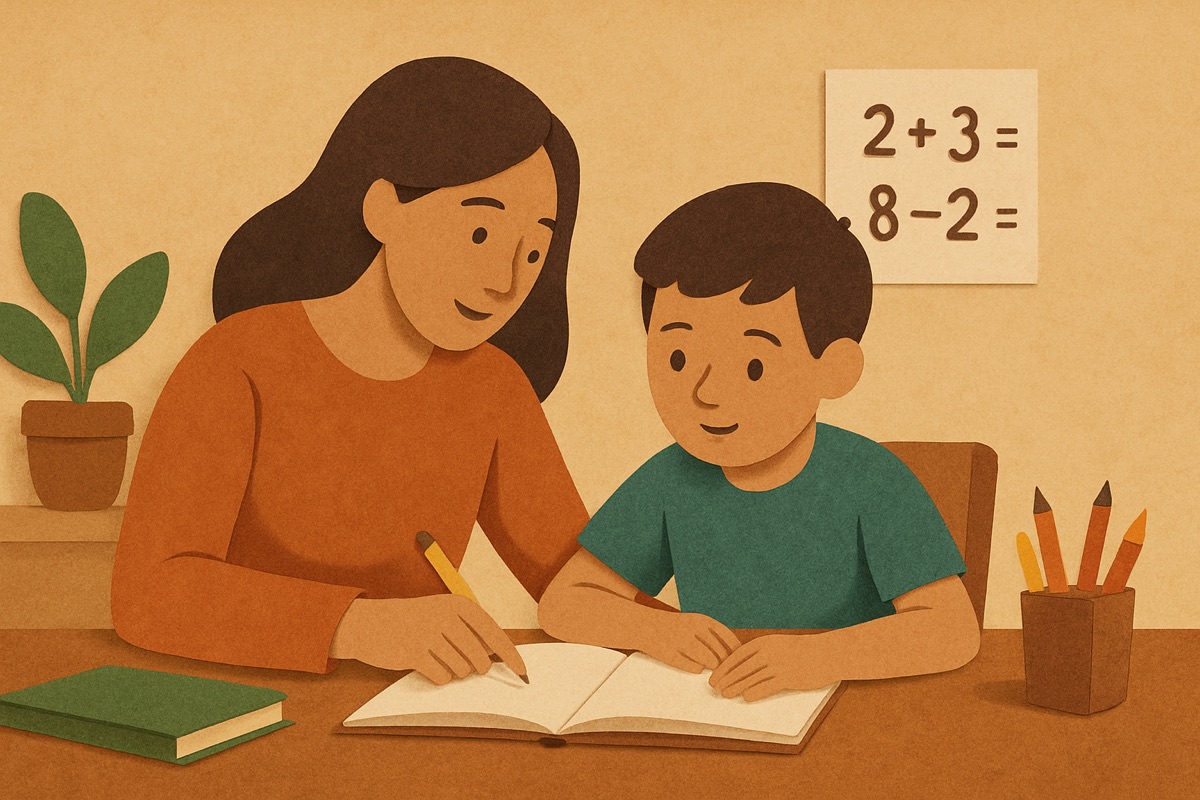
A Realistic Weekly Math Plan for the Whole Family
Most family math plans assume a calm, empty week that nobody actually has. Here's one built for the real thing, with short slots and permission to skip.

How to Spot a Math App That Is Just a Slot Machine in Disguise
Some math apps teach. Others just wire a slot machine to a few addition problems. Here is how to tell the difference in about ten minutes.
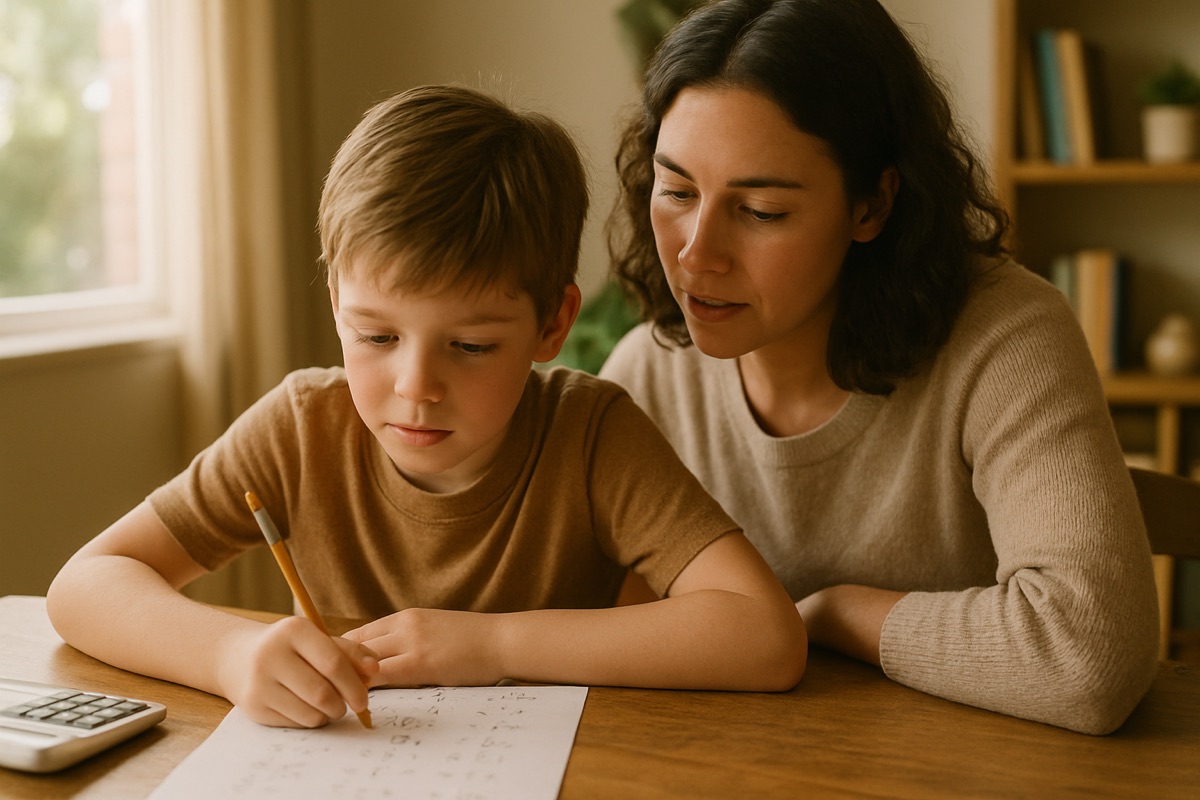
Setting Up Parental Controls That Keep Math Time Honest
Time limits alone don't keep math time honest. Here's how to set up parental controls so twenty minutes of app time is twenty minutes of real practice.
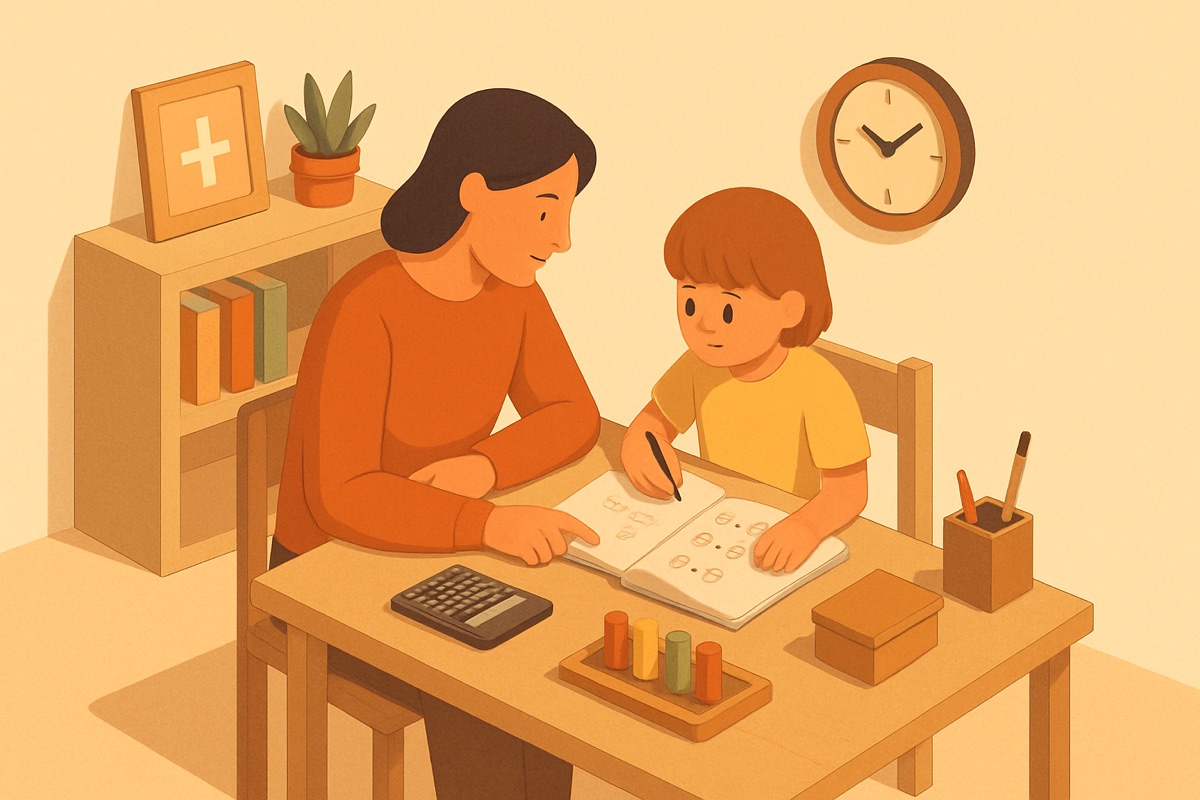
Building a Home Math Corner With Stuff You Already Own
You already own everything you need for a math corner. Here's how I'd set one up with buttons, coins, and a shoebox, and what each thing is actually for.
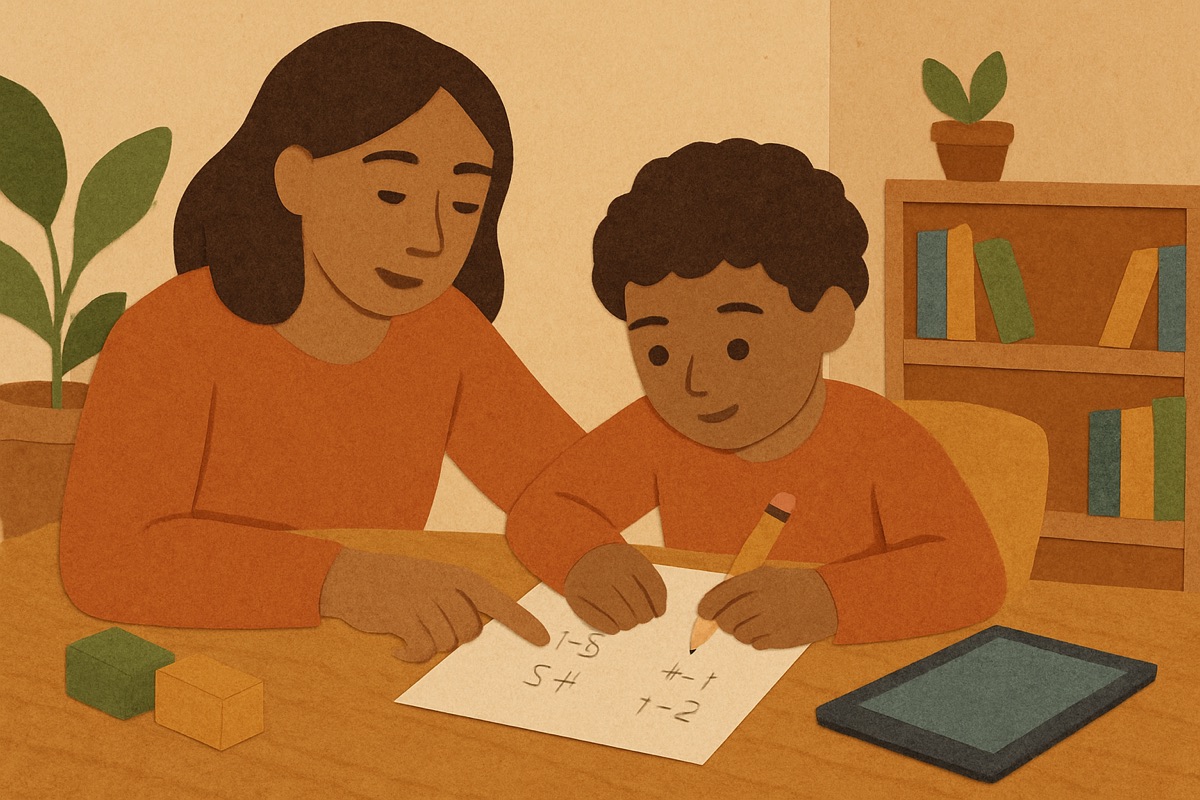
Should Your Kindergartner Be Using a Math App at All?
Math apps for kindergarten can help or quietly get in the way. Here is when a screen makes sense at age five, and when a bin of buttons wins.

Khan Academy at Home: A Parent's Setup Guide for Grades 1 to 5
How to actually set up Khan Academy for a first through fifth grader, what the mastery bar really measures, and the three settings most parents miss.
How to Talk to the Teacher When You Think the Math Pace Is Wrong
Your kid says math is boring and you suspect the pace is too slow. Here is how to raise it with the teacher so it lands as help, not a complaint.
What Grade Level Math Standards Really Cover, Grade by Grade
A plain-English tour of what math actually gets taught each year in elementary school, so you can tell whether your kid is on track or quietly behind.

Roadschooling Math: Keeping Skills Sharp While You Travel Full Time
You don't need a desk or a full curriculum to keep math alive on the road. Here's how full-time traveling families turn miles and maps into real practice.

Homeschool Math Without a Teaching Degree: A Starting Point
You don't need a credential to teach your kid math at home. You need to know what order things go in and how to tell when the understanding is real.

How to Check Your Kid's Math Without Giving Away the Answer
The moment you say 'that's wrong, it's actually 42,' the learning stops. Here is how to check the work without handing over the answer.
Could It Be Dyscalculia? What I Look for as a Teacher
The specific things I watch for in the classroom before I ever say the word dyscalculia, and the difference between a rough patch and a real learning difference.
IEPs, 504s, and Math: What to Actually Ask For
You're allowed to ask for specific things in that IEP meeting, and knowing which ones actually help math is half the battle.

How to Tell If Your Kid Is Behind in Math or Just Having a Rough Week
One bad math test doesn't mean your kid is behind. Here's how to tell a real gap from a rough week, and what actually deserves your attention.

Tutor, App, or You: How to Decide Who Helps With Math
A tutor, an app, or your own kitchen table? The right help depends on what's actually wrong. Here's how a teacher decides who should step in with math.
The One Question to Ask at Every Parent Teacher Conference About Math
Most parents ask how their kid is doing in math and get a pleasant nothing. Here is the single question that pulls out a real, useful answer.
What Your Kid's Math Report Card Actually Means
A 3 out of 4 is not a B, and a 2 is not failing. Here is what those marks really tell you about your kid's math.

Why the Math Looks So Different Than When You Were a Kid
Your kid brings home a subtraction problem solved with a number line and no borrowing in sight. Here is what those new methods are actually doing, and why.
The Words to Say When Your Kid Says I Am Bad at Math
When your kid pushes the worksheet away and says they are bad at math, the next thing you say matters more than the worksheet does.
How to Help With Math Homework When You Were Never a Math Person
You do not need to be good at math to help your kid with it. Here is what actually works at the kitchen table when the numbers scare you too.
Give the math a reason.
Kids earn tickets for real practice and trade them for prizes you set at home.
Set up a free parent account