At-home practice
Why a little daily practice beats weekend cramming, and how to make a routine that actually sticks.
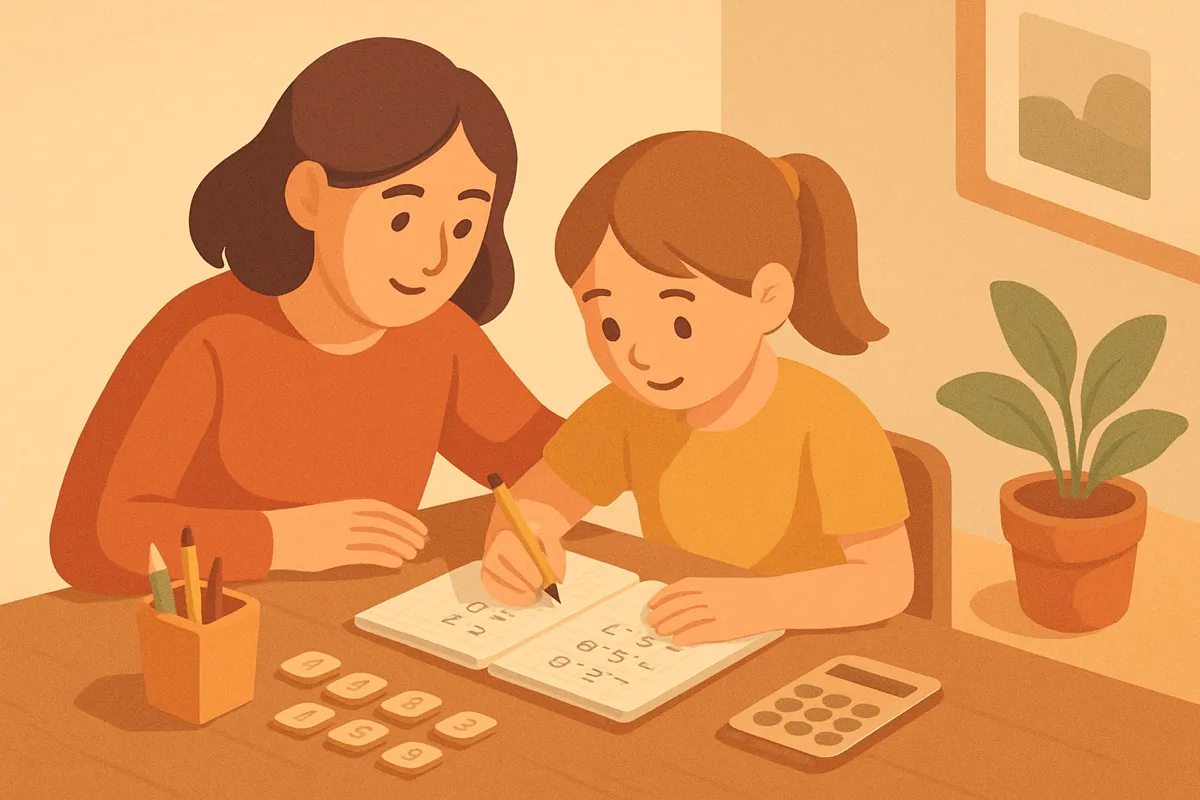
The Five Minute Rule: How Little Daily Math Actually Works
Five honest minutes a day beats an hour on Sunday. Here is why small daily math practice works better than the big weekend cram, from a teacher.

Setting a Realistic Weekly Math Practice Plan for the Whole Family
One plan, three kids at three grade levels, a tired parent, and a real calendar. Here is how to build a weekly math practice plan that survives an actual week.
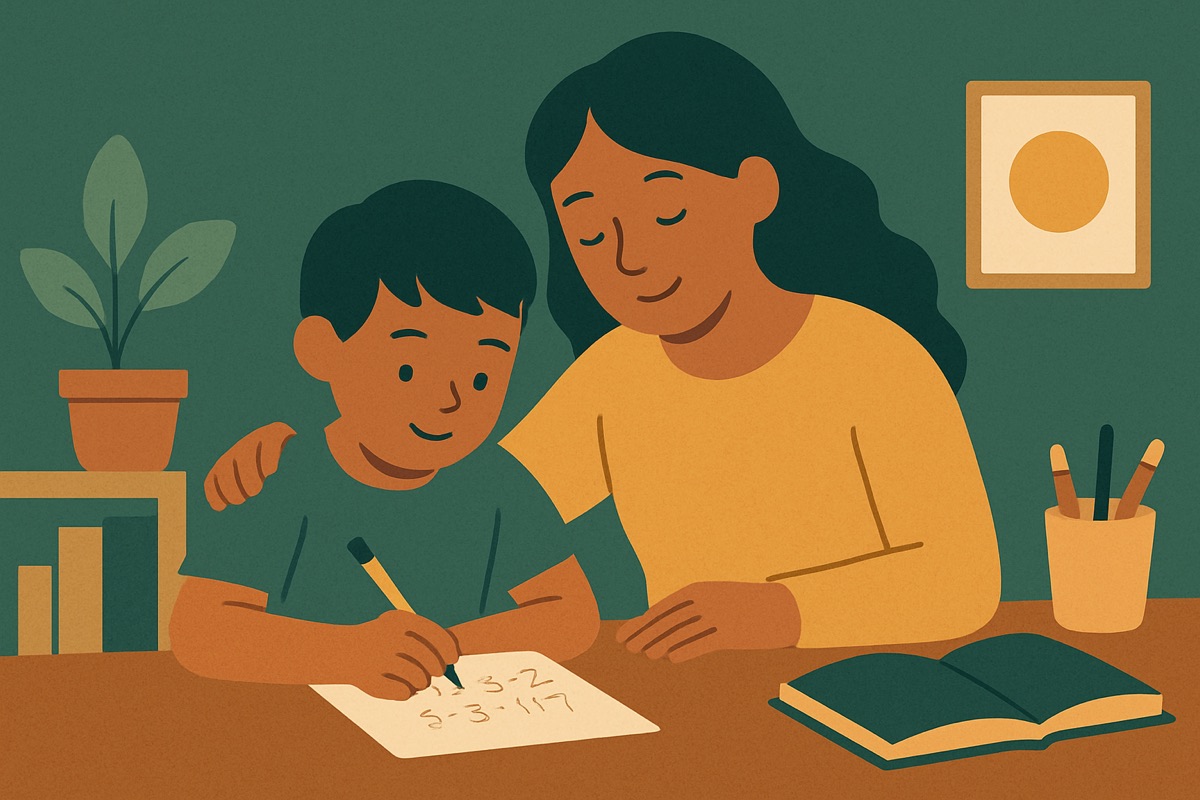
How to Make Math Practice Feel Like a Win Instead of a Chore
Small shifts in how you set up math time at home can turn a nightly battle into something your kid is actually a little proud of.
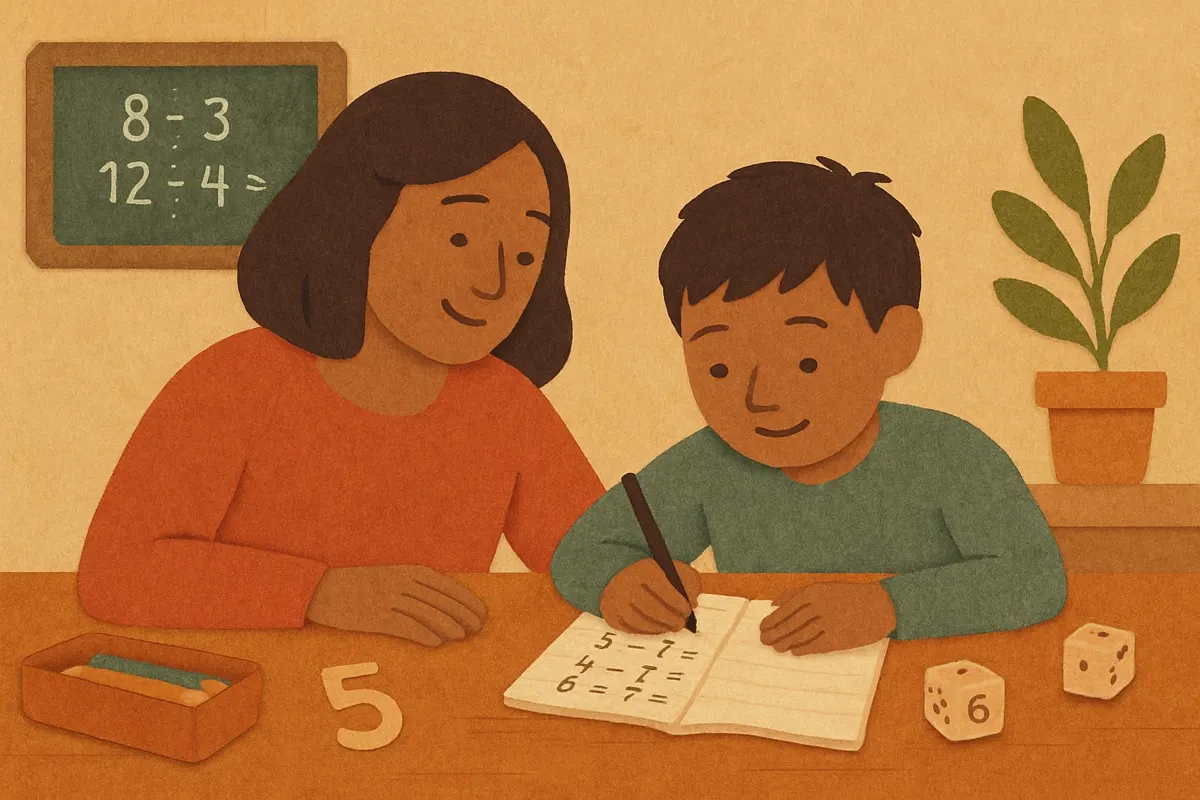
Car-Ride Math: Turning Dead Time Into Daily Practice
The school run is fifteen quiet minutes twice a day. Here's how to turn that dead time into real math practice your kid won't even notice.

What Makes a Good Math Practice App (From Someone Who Builds Them)
The features that sell a math app in the store are rarely the ones that teach. Here's what actually matters, from someone who spends his days building one.

Using a Math App for Daily Practice Without Creating a Screen Fight
The problem usually isn't the math app. It's the handoff when the timer runs out. Here's how to build a daily habit without the meltdown at the end.
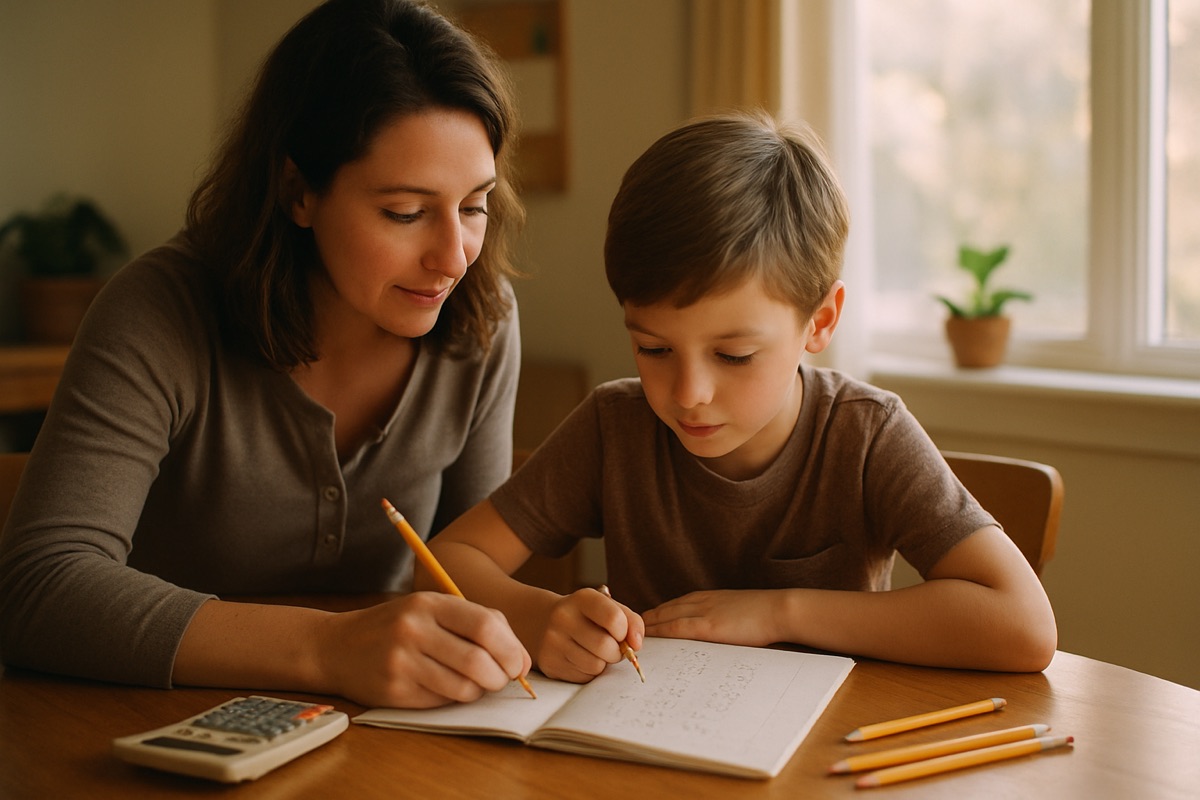
How Much Math Practice Does an Elementary Kid Really Need?
Not two hours, and not a weekend cram session either. Here is what daily math practice actually looks like for an elementary kid, by grade.
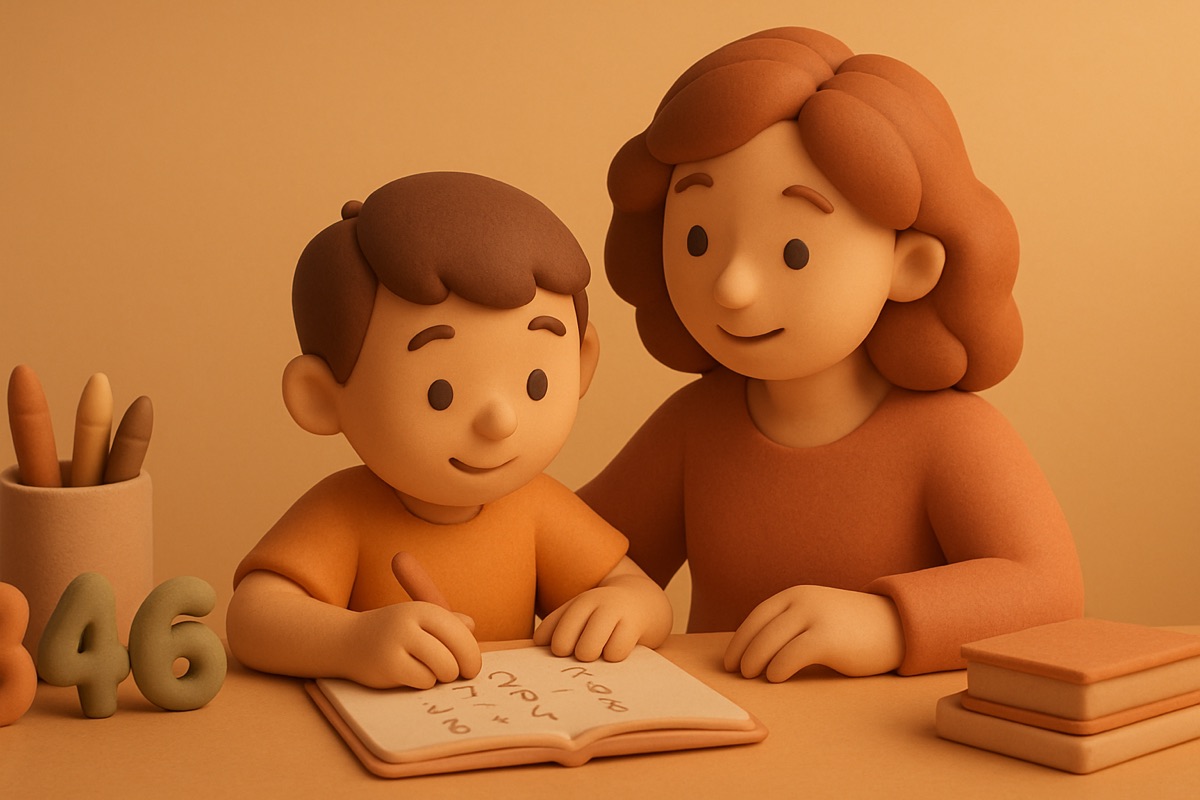
Why Mixing Up Problem Types Beats Practicing One Skill at a Time
A worksheet of twenty identical problems feels productive and teaches almost nothing. Here's why mixing up problem types is what actually makes math stick.
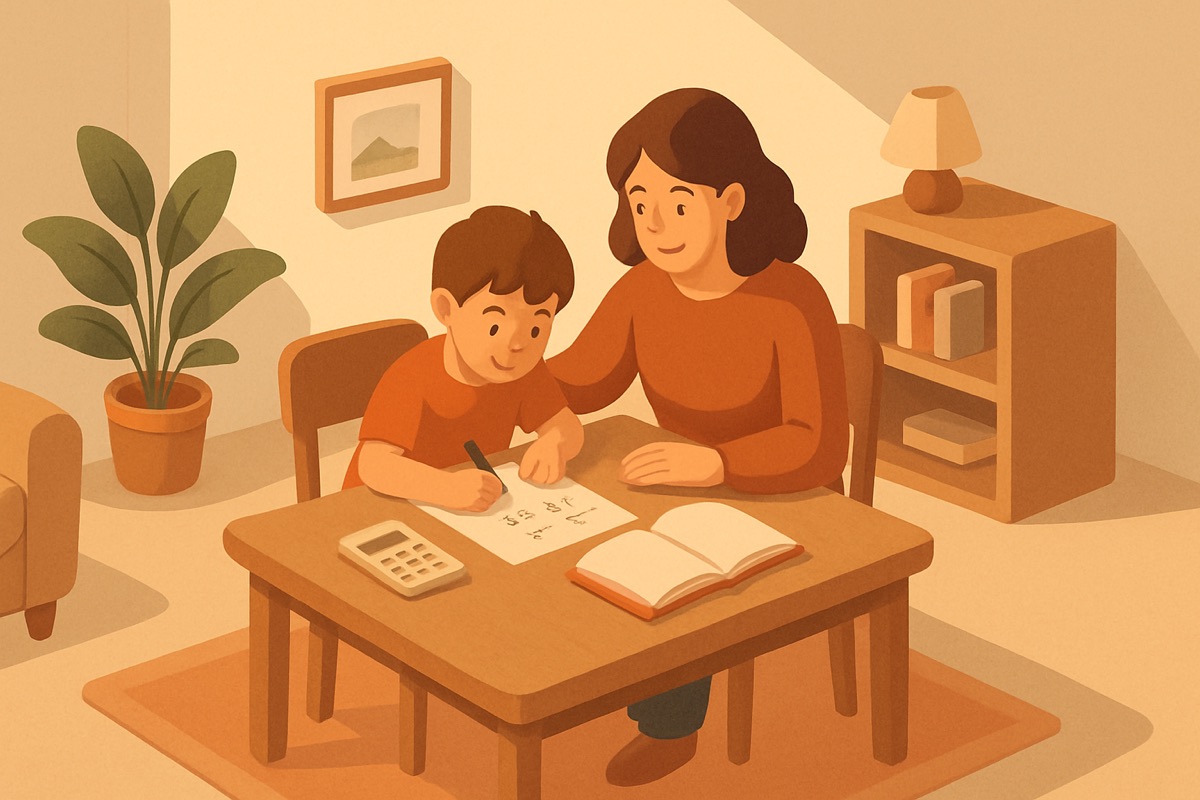
Practice Over Winter and Spring Break Without Ruining the Vacation
A week off doesn't wreck math skills, but three weeks of nothing can. Here's how to keep the rust off over break without turning vacation into school.

How to Restart Math Practice After You Have Fallen Off
The routine died sometime around the holidays and nobody noticed. Here is how to restart a math practice routine without guilt or a two-hour catch-up session.
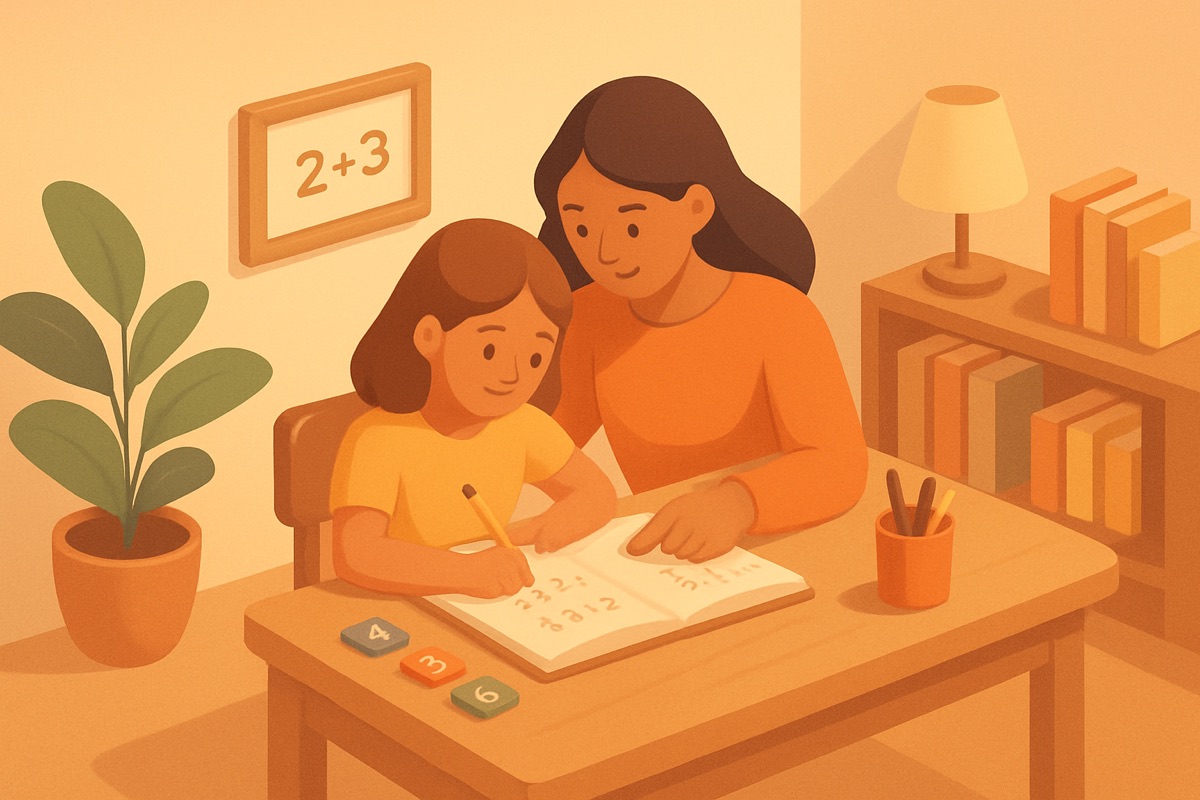
Times Tables at Home: A Steady Plan, Not a Panic
A note comes home saying your kid isn't fluent with multiplication facts, and you panic. Here is the calm, steady way to practice times tables at home.
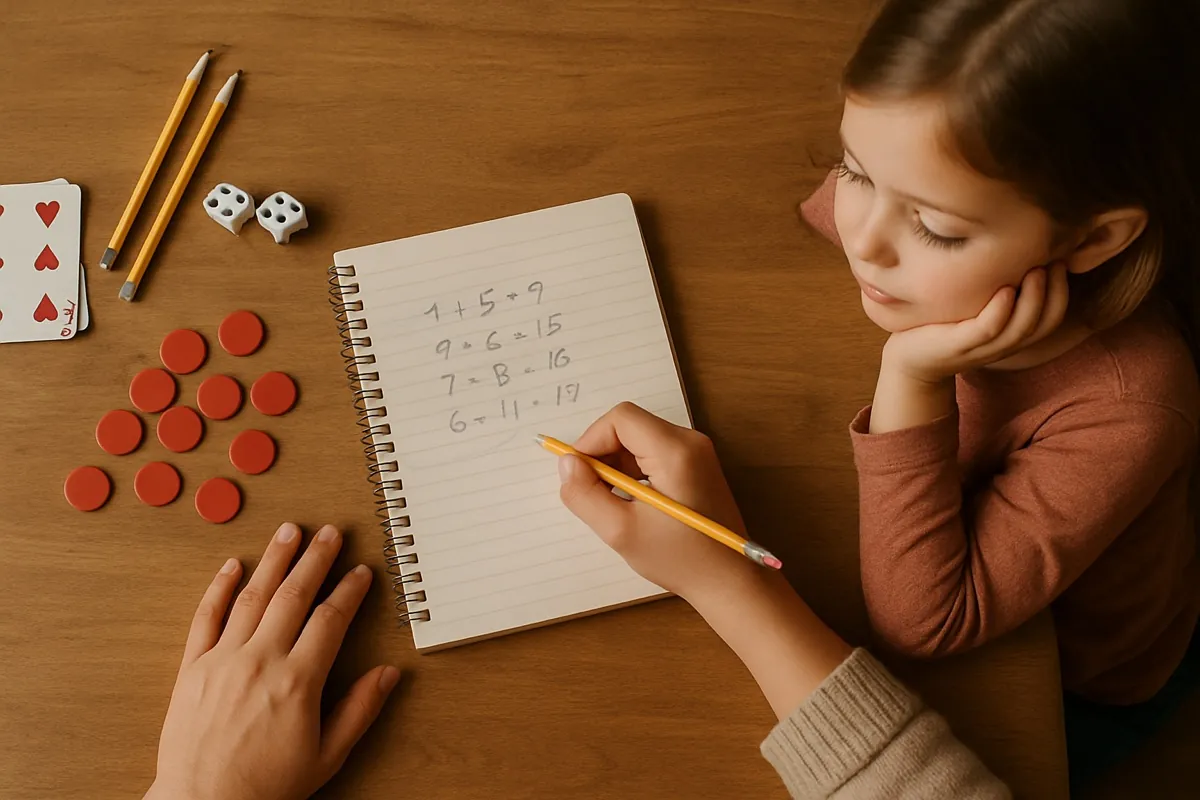
Practicing Math Facts: Why Fluency Frees Your Kid's Brain
When a kid can pull 7 plus 8 from memory, they stop spending every ounce of attention on the small stuff and can actually think about the problem.
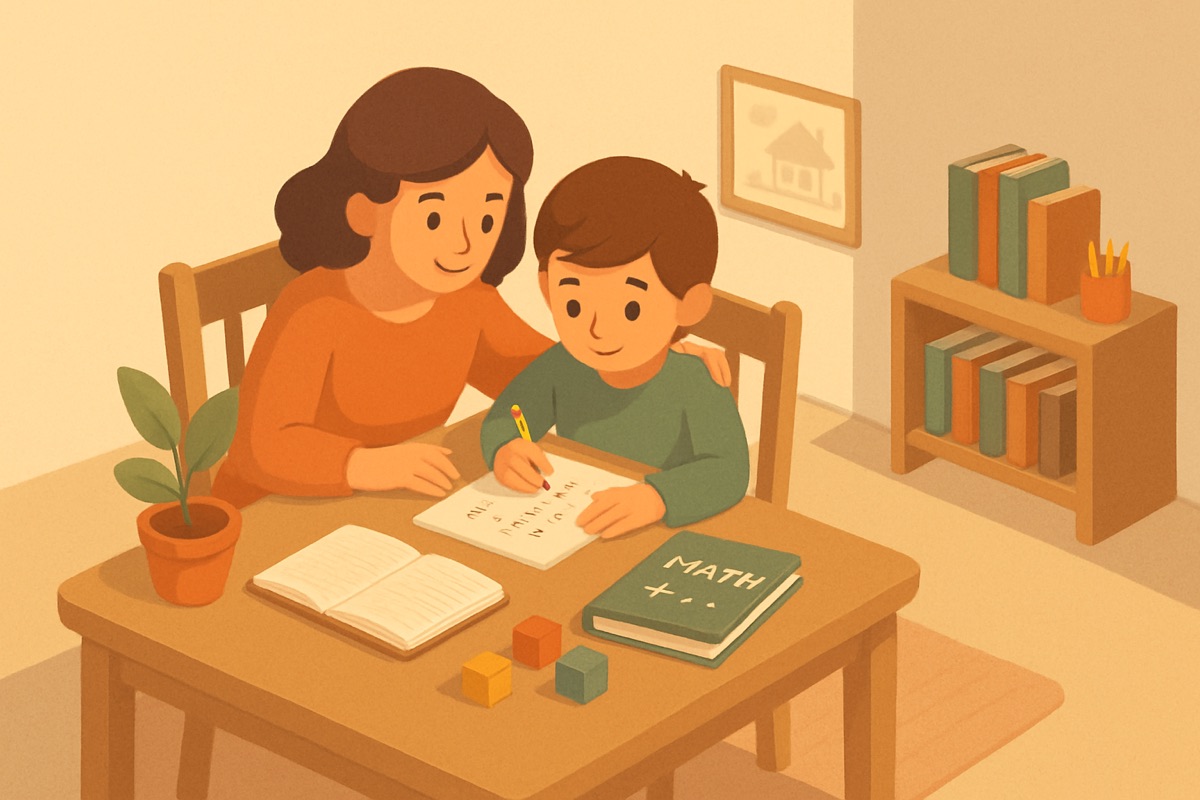
How to Track Math Progress at Home Without Turning It Into Pressure
Tracking your kid's math progress can help or it can turn every night into a performance review. Here is how to measure the right things quietly.
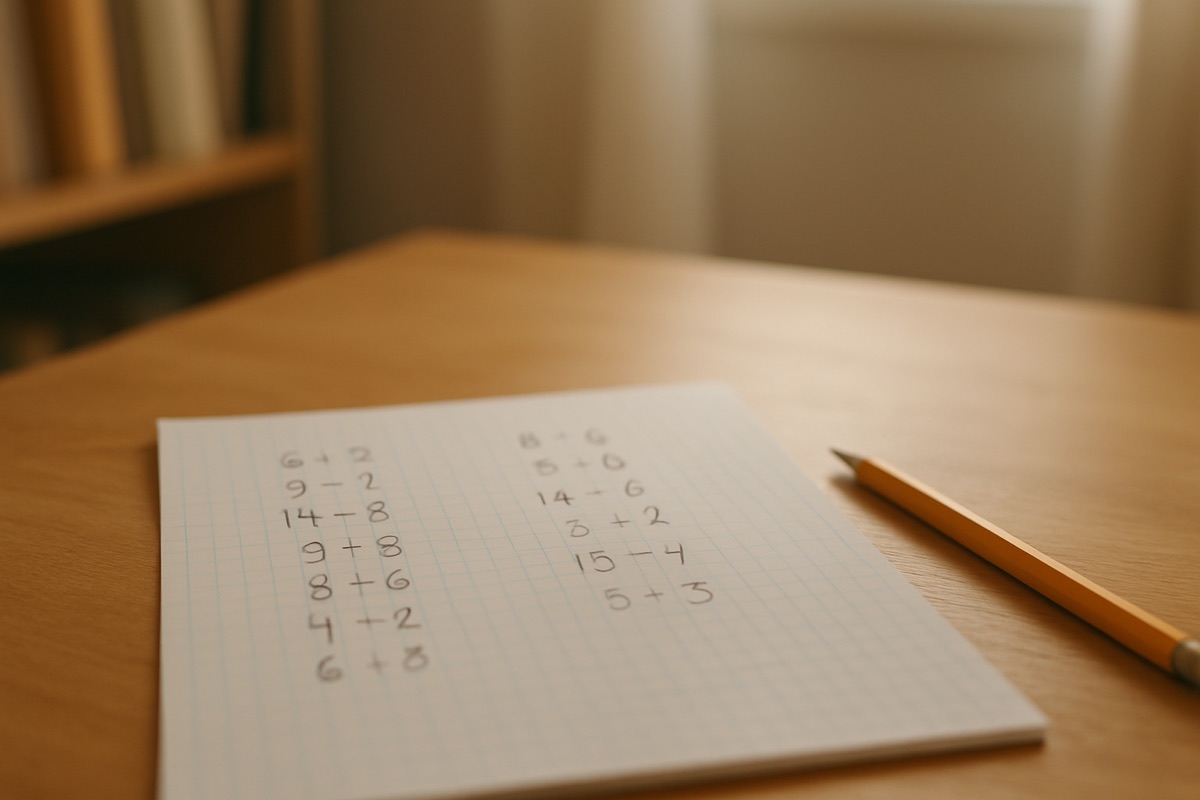
Consistency Beats Intensity: The Math Practice Truth Nobody Sells You
The kids who pull ahead in math aren't the ones who grind for two hours on Sunday. They're the ones who do a little almost every day, and here's why that works.

A 10-Minute Math Routine You Can Actually Keep
Ten honest minutes most days beats an hour once in a blue moon. Here's a 10 minute math routine simple enough to survive a real week.

How to Make Math Practice Stick Without Bribes and Screens
A cookie gets you tonight's worksheet. It does not get you a kid who remembers his multiplication facts in March. Here is what actually lasts.
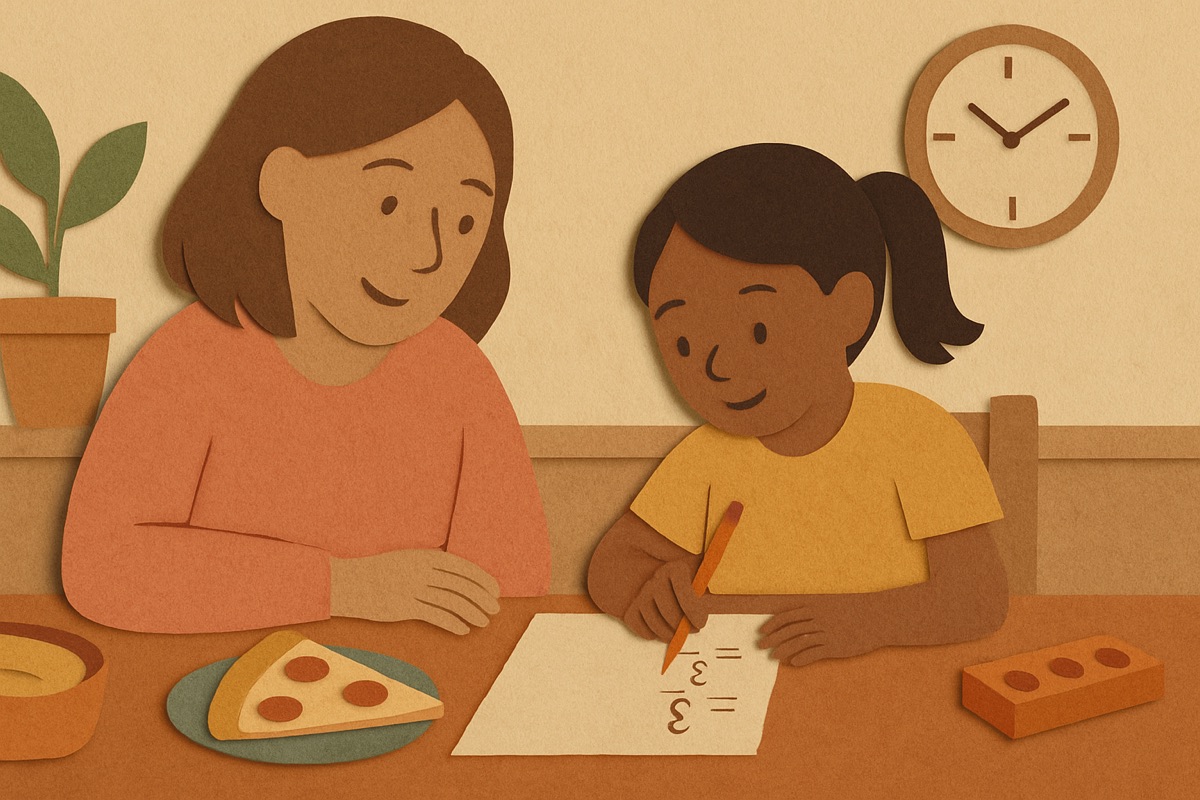
The Kitchen Is a Math Classroom: Fractions Kids Can Taste
Measuring cups do what worksheets can't. Here is how cooking math for kids makes fractions real, one doubled batch of pancakes at a time.
Math in the Grocery Store: Practice That Does Not Feel Like Practice
The cereal aisle is a math workbook in disguise, and your kid will do the problems without ever knowing they were problems.
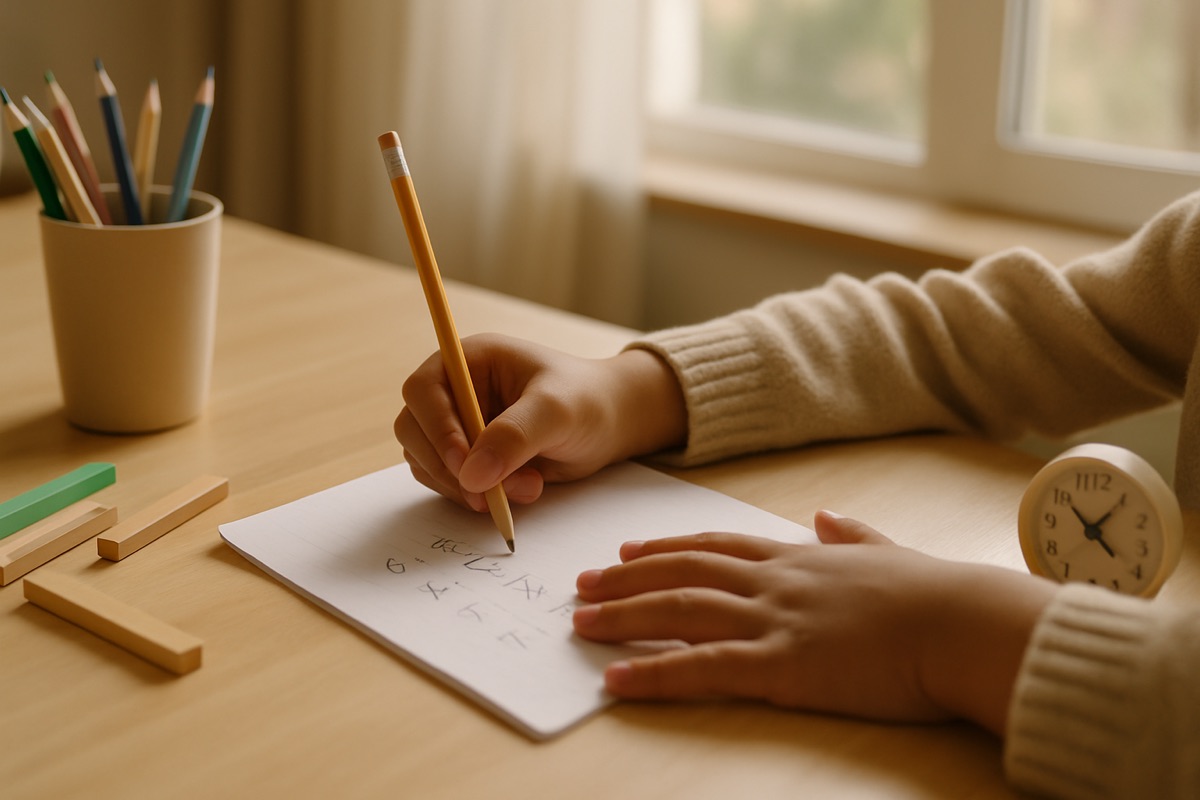
How to Tell If Your Kid's Math Practice Is Actually Working
Twenty minutes a night of the wrong practice can go nowhere. Here is how to tell if math practice is working, and what real progress looks like.
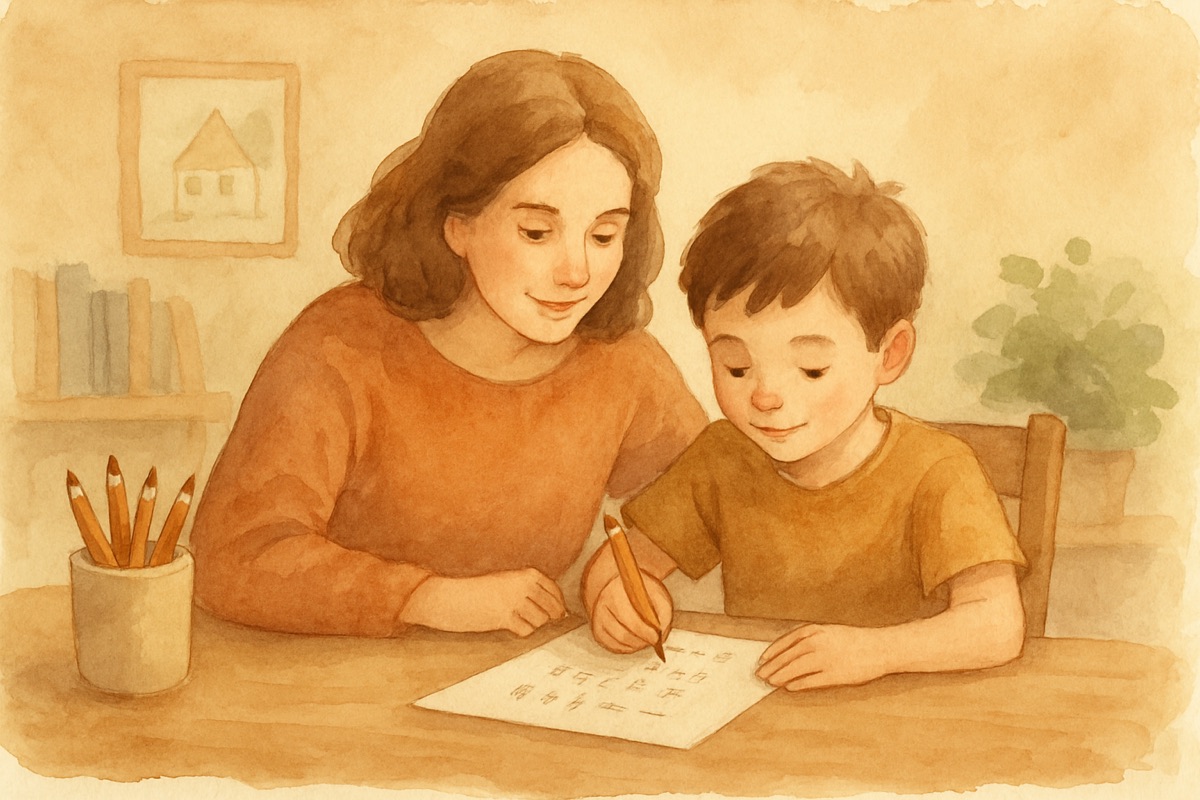
The Case Against Math Grinding: More Problems Is Not Better
A fat stack of worksheets looks like progress, but it usually isn't. Here's why too many math problems can quietly make a kid worse at math, and what works better.
Keeping Math Sharp Over Summer Without a Workbook Fight
You can keep your kid's math sharp all summer without buying a single workbook or fighting about it. Here is what actually holds skills in place.

What Spaced Practice Is and Why It Makes Math Stick
A kid can nail every multiplication fact on Friday and blank on Monday. Spaced practice is the reason, and it is also the fix.
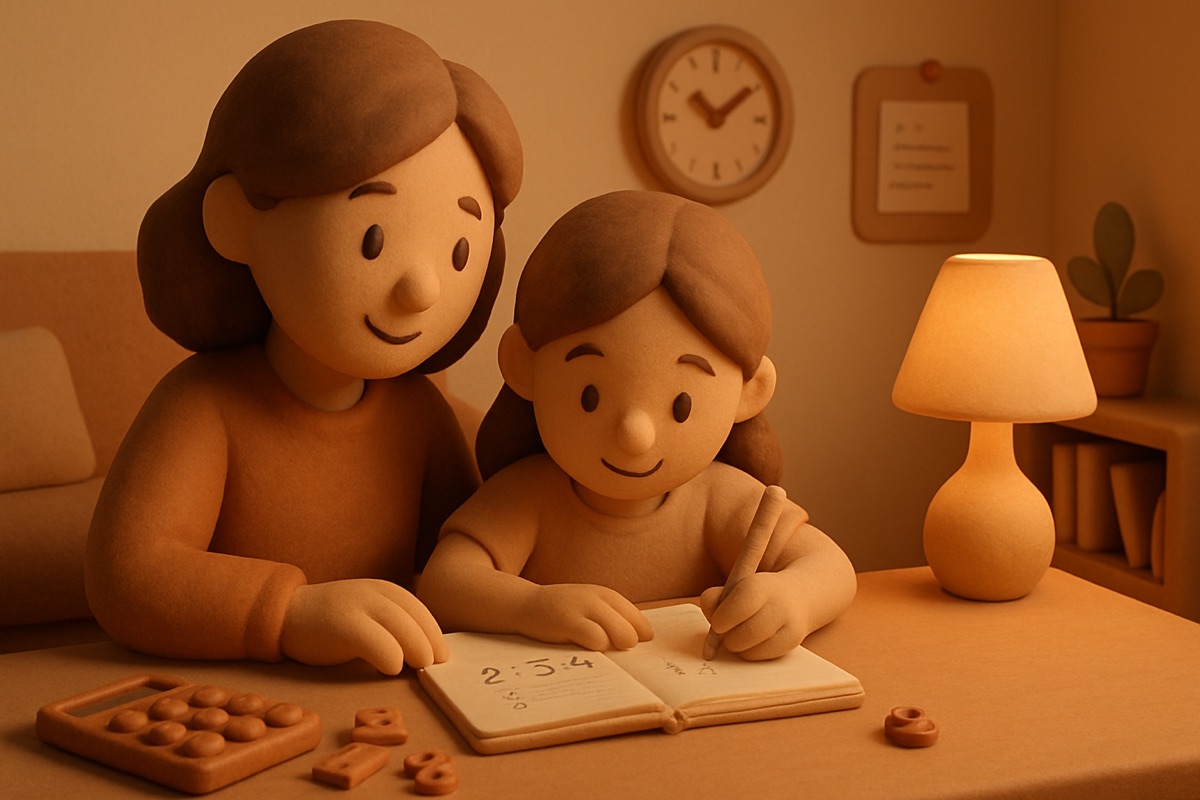
How to Build a Daily Math Habit That Survives Busy Weeks
The families whose kids stay strong in math aren't doing more. They're doing a little, every day, in a way that survives the week from hell.
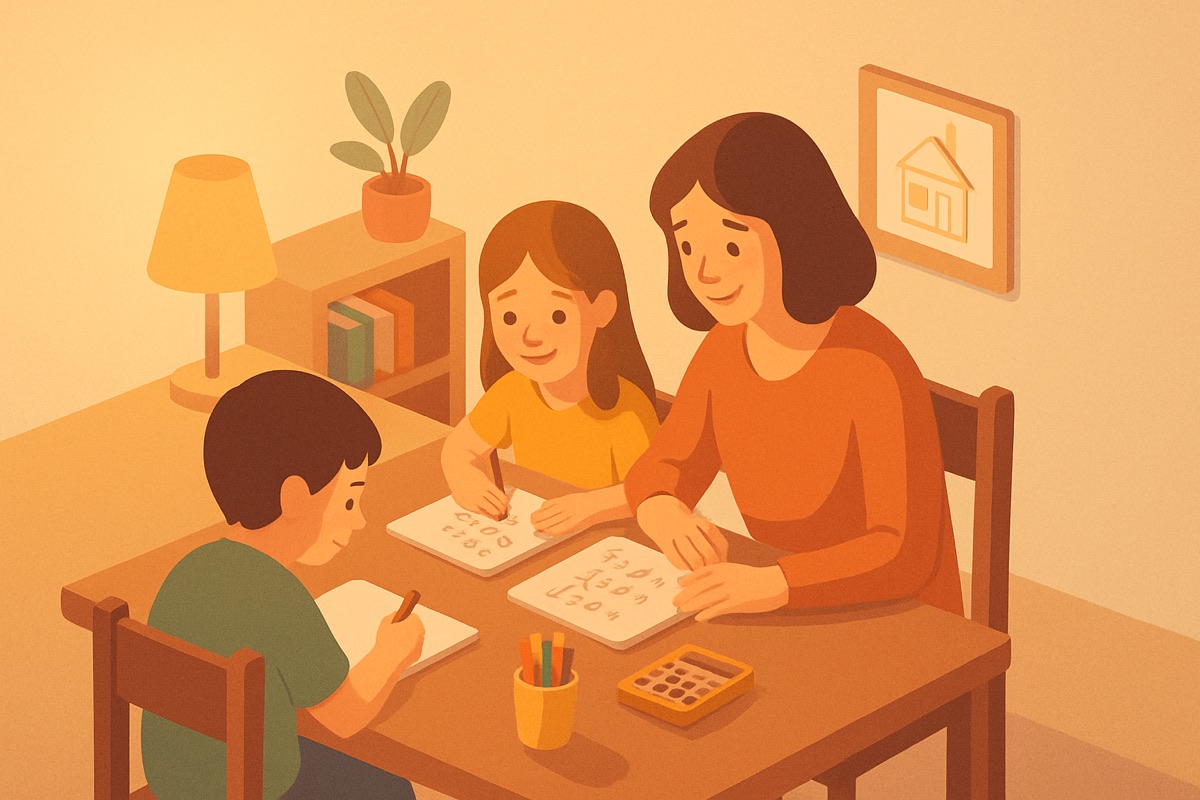
Why At-Home Math Practice Matters More Than You Think
The kids who pull ahead in math are rarely the naturally gifted ones. They are the ones who touched numbers a little bit, most days, at home.
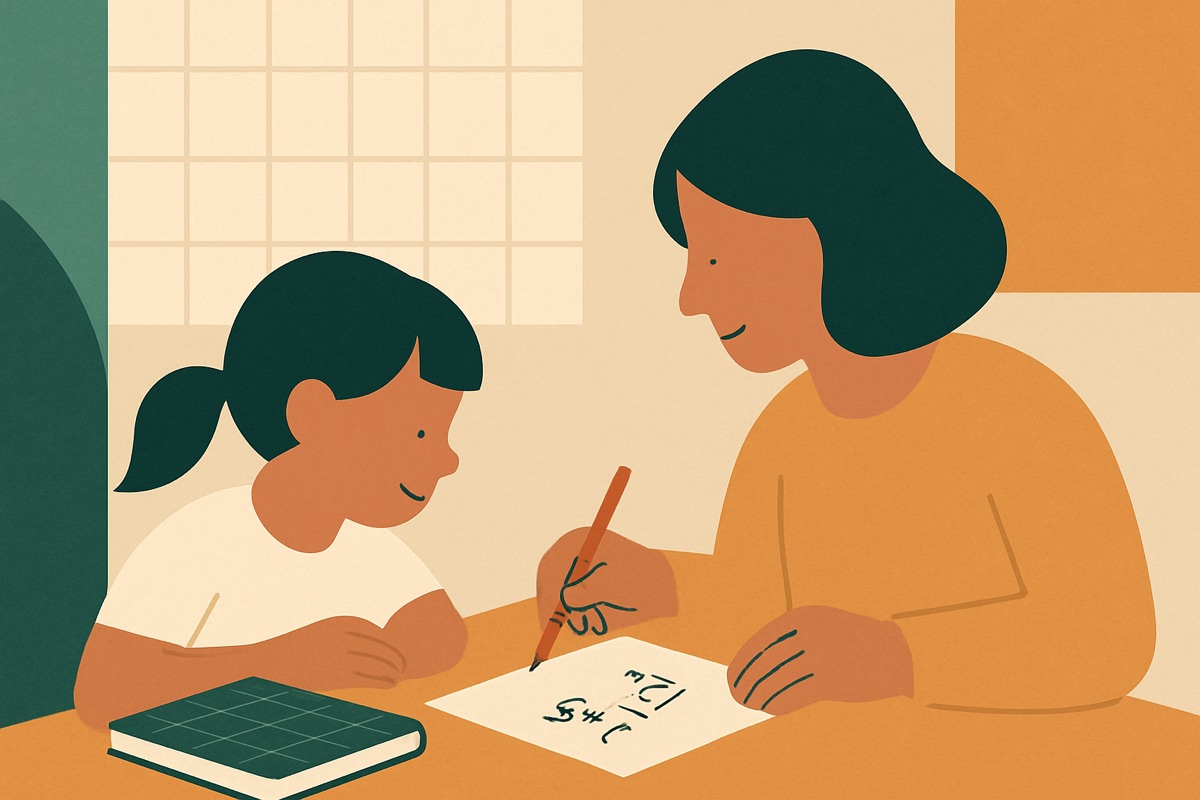
Why 10 Minutes of Math a Day Beats an Hour on Sunday
A weekend cram session feels productive, but ten minutes of math a day is what actually makes it stick. Here is why, from sixteen years in the classroom.
Give the math a reason.
Kids earn tickets for real practice and trade them for prizes you set at home.
Set up a free parent account