Praise, Points, and Prizes: Layering Rewards Without Overdoing It
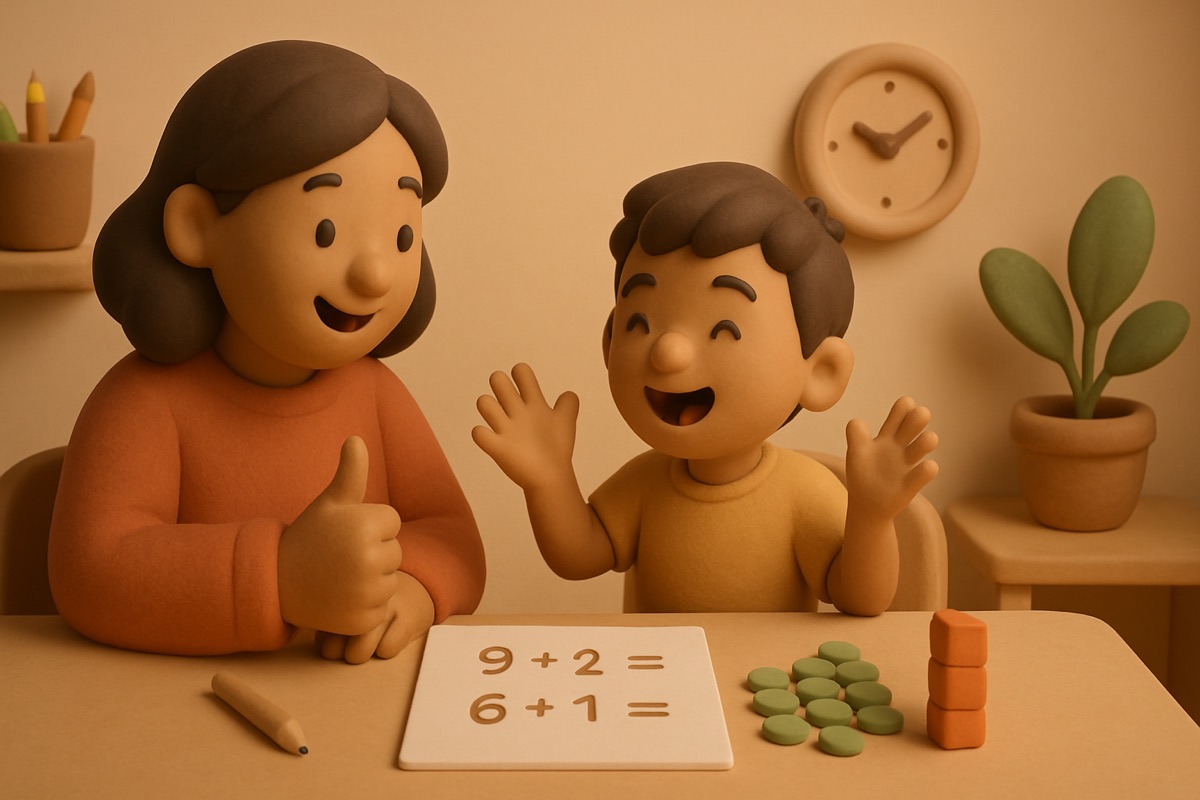
A mom came to me at conferences one year worried she'd created a monster. Her son wouldn't read a single page without asking what he'd get for it. Every task had a price now, and the price kept going up. She hadn't done anything crazy. She'd just handed out prizes for everything, all at the same size, until a prize was the only reason to do anything at all.
That's the trap most reward systems fall into, and it's why so many parents give up on them. A reward system for kids that works isn't about finding a bigger, shinier prize. It's about layering. Praise, points, and prizes each do a different job, and when you stack them right, effort gets noticed without everything turning into a transaction.
The three layers, and what each one is for
Think of rewards as three levels, smallest to biggest, used at different moments.
- Praise is your everyday currency. It's free, it's instant, and you can give it constantly. "You stuck with that hard one instead of guessing" costs you nothing and lands more than a sticker.
- Points are the middle layer. Tickets, tally marks, tokens, whatever you like. They add up over time, which teaches patience and turns small efforts into something visible.
- Prizes are the rare, big payoff. Points cash in for them. They're the celebration at the end, not the paycheck for every step.
The mistake the worried mom made was using prizes for the praise layer. She was handing out the big reward for tiny efforts, so the big reward stopped feeling big and the small efforts never got the quick, warm acknowledgment they actually needed.
Praise the effort, not the child
Here's the part that changes everything, and it's the piece I wish more parents heard. What you praise is more important than how much. Praise the effort and the strategy, not how smart the kid is.
"You're so smart" sounds kind, but it teaches a kid that ability is fixed and quits looking good. So when something gets hard, a "smart" kid backs off, because struggling would mean they're not smart after all. Praise the work instead. "You tried three ways before it worked." "You didn't give up on that one." "I saw you check your answer." That kind of praise tells a kid that effort is the thing that matters, and effort is the one thing they can always control.
I watched this play out with a fourth grader who was convinced she was "bad at math." We stopped talking about smart and dumb entirely. Every time she pushed through a problem, I named the pushing, not the answer. Six weeks later she wasn't a different kid, but she'd stopped flinching at hard problems, because hard problems had become the thing she got credit for.
The other thing about praise is timing. It works best the moment the effort happens, not hours later at dinner. A quick "nice, you caught your own mistake" right as it happens teaches a kid exactly which behavior earned the notice. Save it up for a report at bedtime and the link gets fuzzy. Praise is most powerful when it's specific and immediate, which is also why it beats prizes for everyday use. A prize can't happen fifteen times an evening. A word can.
Points teach the waiting
The middle layer is where a lot of the real learning hides, and it has nothing to do with math. Points teach a kid to wait. When ten tickets buy something small and fifty buy something they really want, a child starts choosing to save. That's delayed gratification, and it's a muscle you can build.
The key is keeping points tied to real effort, not just showing up. Points for finishing ten problems, sure. Points for genuinely working through a hard concept, even better. Points for opening the app and tapping around for two minutes, no. The moment points reward busywork instead of effort, kids figure it out instantly and start gaming the system, and you're back to bribery with extra steps. This is the same reason our own app ties tickets to correct work rather than time spent, because a reward that pays out for anything ends up meaning nothing.
How to keep it from getting out of hand
Reward systems drift. Prizes creep bigger, praise gets lazy, and one day you're negotiating over homework like it's a labor dispute. A few guardrails keep it healthy:
- Keep prizes rare. If your kid earns the big prize every day, it's not a prize anymore, it's an allowance.
- Let praise be the workhorse. Aim to give ten small bits of specific praise for every actual prize. Praise is unlimited, so spend it freely.
- Watch for the "what do I get" reflex. If your kid starts pricing every task, pull back on prizes for a while and lean hard on praise and points. The reflex fades.
- Fade the rewards over time. The goal is a kid who does the work because they can, not because there's a token waiting. As a habit takes hold, quietly let the points matter a little less.
The point of any reward system was never the reward. It's to get a kid through the awkward stretch where a new skill is hard and no fun yet, until they're good enough at it to enjoy it. Once the reading or the math starts feeling good on its own, the prizes should get smaller and the pride should get bigger. That's the sign it worked.